Mozambique Wants Local SMEs to Supply Its Gas Industry
Mozambique is looking for ways to get more of its own businesses involved in the country's growing gas industry. Representatives of the Mozambican business community recently met with the Texas Africa Chamber of Commerce, with discussions covering how US companies could help local small and medium-sized businesses work with gas projects.
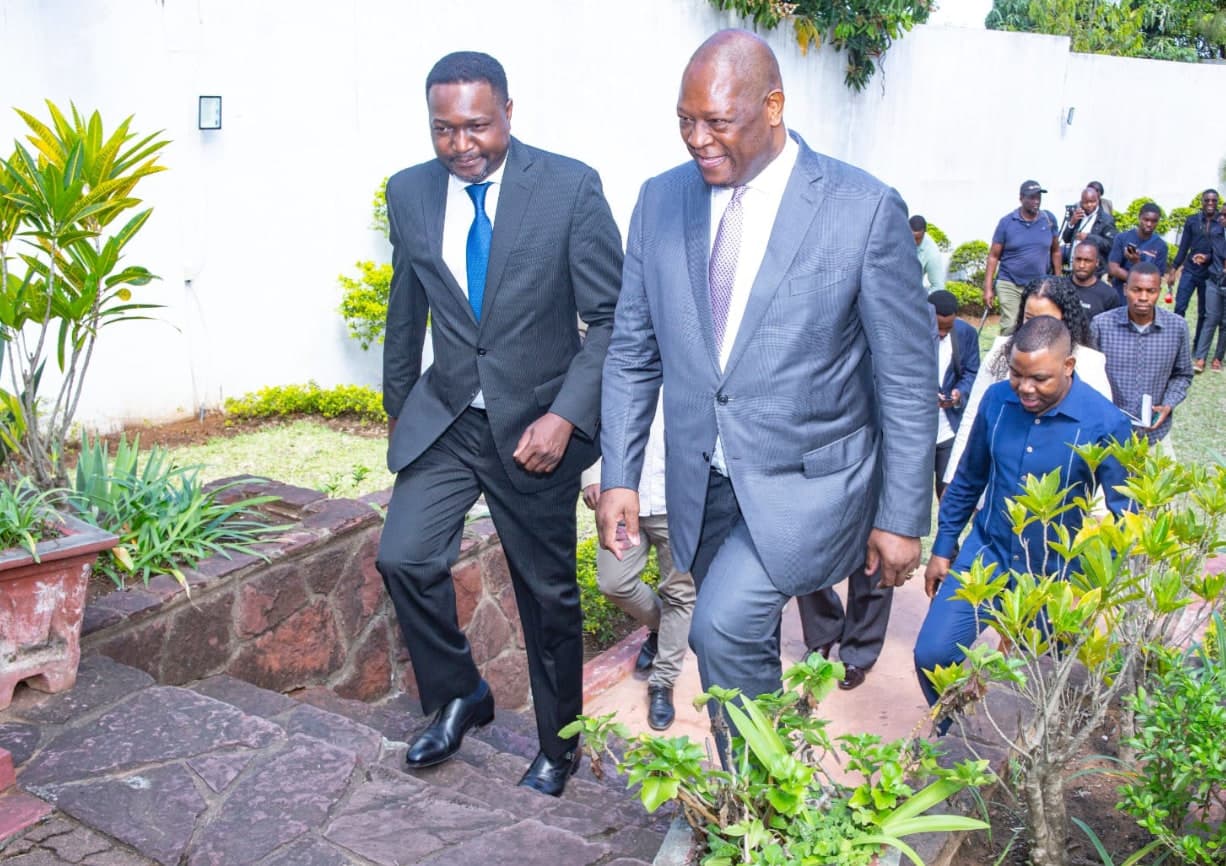
Mozambique Pic
Mozambique is looking for ways to get more of its own businesses involved in the country's growing gas industry.
Representatives of the Mozambican business community recently met with the Texas Africa Chamber of Commerce, with discussions covering how US companies could help local small and medium-sized businesses work with gas projects. The talks also included possible partnerships in agribusiness.
The timing is important because Mozambique's gas industry is moving back into focus after years of delays and uncertainty.
For most local businesses, however, working in the gas industry will not mean having anything to do with extracting gas.
AI-generated summary. It can miss nuance — read the full story above for the complete picture.
Mozambique is looking for ways to get more of its own businesses involved in the country's growing gas industry. Representatives of the Mozambican business community recently met with the Texas Africa Chamber of Commerce, with discussions covering how US companies could help local small and medium sized businesses work with gas projects. The talks also included possible partnerships in agribusiness.
The timing is important because Mozambique's gas industry is moving back into focus after years of delays and uncertainty. For most local businesses, however, working in the gas industry will not mean having anything to do with extracting gas. A contractor working on a major project still needs people to transport equipment. Its workers need meals. Vehicles need repairs. Offices and accommodation need cleaning. Materials have to be delivered and waste has to be collected.
Those jobs are much closer to the type of work a Mozambican SME can take on. A company with a few trucks, for example, could work as a subcontractor for a larger logistics company. A catering business could supply meals to workers. A construction company could provide smaller works or materials. But there is a big difference between having the capacity to do a job and being approved to work on a major energy project.
“The result will not be measured by how many meetings are held. It will be measured by whether a small Mozambican business actually gets a contract.”
Gas companies and their contractors tend to have detailed requirements for suppliers. They may ask for safety records, insurance, financial statements, licences, trained employees and evidence that a company has handled similar work before. That can rule out smaller businesses before they even get to compete for a contract.
It also creates a problem with scale.
A business that can comfortably supply 50 meals a day may not be able to supply 500. A transport operator with three trucks cannot suddenly provide 30 because a contractor has increased its requirements.
Growing to that size requires money, equipment and staff. This is one area where partnerships with larger companies could make a difference. A Mozambican business may have the local workforce and contacts while an international partner has the equipment, systems or financing needed to take on a larger contract.
Agriculture is part of the same story
The discussion around agribusiness is also worth watching. Gas projects bring large numbers of workers and contractors into areas that already have farmers and food businesses. Someone has to supply the food. That does not necessarily mean a farmer will have a direct contract with an LNG company. The supply chain could be much simpler. A farmer sells to a wholesaler. The wholesaler supplies a food processor. The processor supplies a caterer. The caterer supplies a gas contractor.
Each business along that chain gets a share of the spending generated by the project. The same model can apply to other local services. What matters is whether Mozambican companies are able to meet the volumes, prices and standards demanded by large contractors.
The money alone is not enough
Mozambique has attracted major investment into its gas industry, but that does not mean local businesses will automatically benefit. Large international contractors often arrive with suppliers they already know. They have worked together on other projects and understand each other's systems. A Mozambican company trying to replace one of those suppliers has to show that it can deliver at the same level.
That takes time and money. It may require new equipment, additional employees, training or certification. A business may also need enough working capital to keep operating while it waits for a large customer to pay. This is why efforts to connect Mozambican SMEs with international companies are worth watching. The result will not be measured by how many meetings are held or how many partnership announcements are made.
It will be measured by whether a small logistics company in Mozambique gets a contract, whether a local food processor starts supplying a contractor, or whether a Mozambican engineering business grows because it has found a steady customer in the gas industry. That is where the country's gas investment starts to become relevant to ordinary businesses.