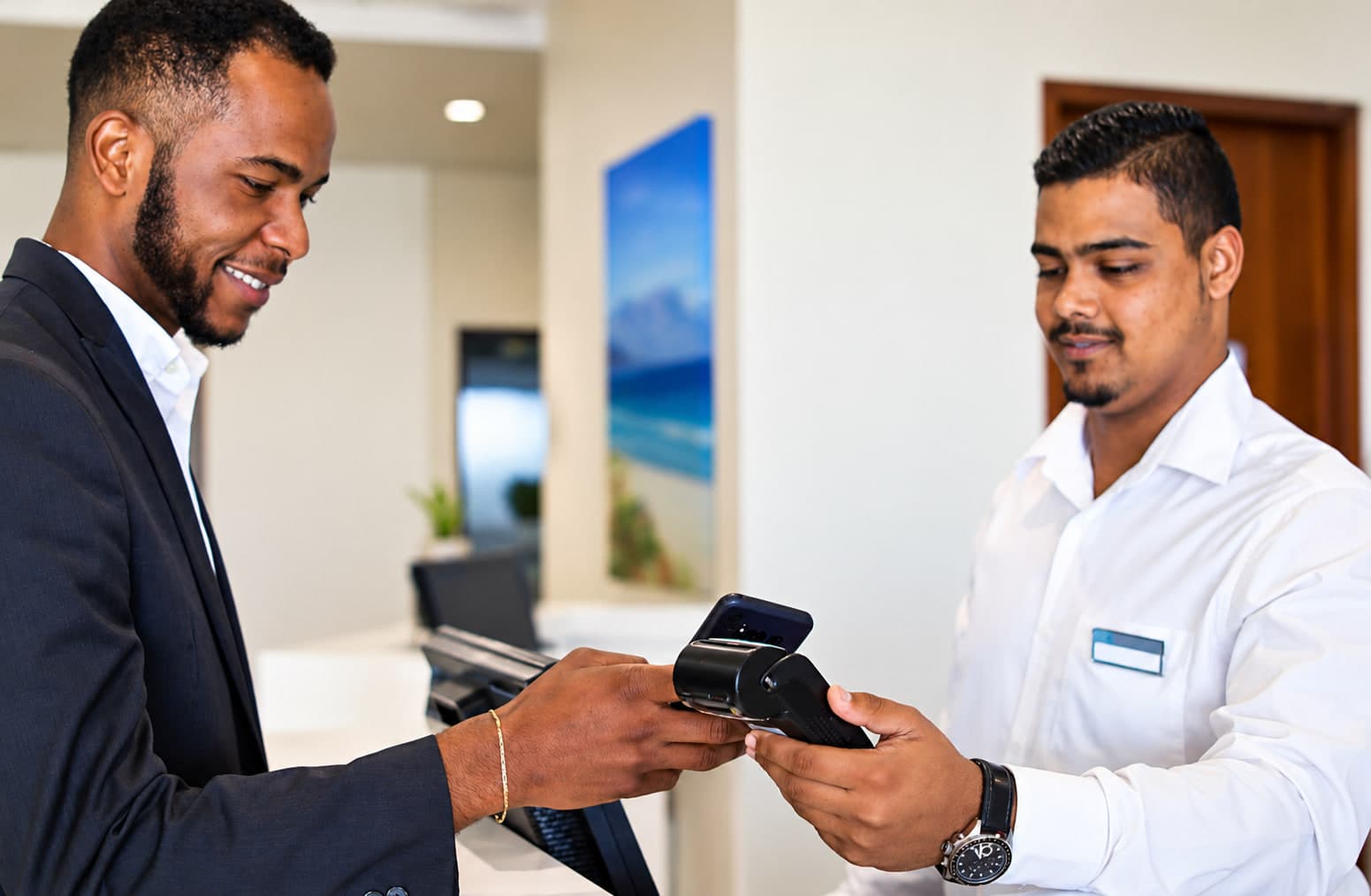
Mukuru wants Botswana customers to spend money directly from their wallets
Mukuru is giving its customers in Botswana another way to use the money they receive through its platform. The company launched its Companion Card in Botswana in August. The Visa-branded card is linked to a Mukuru Wallet, allowing customers to pay directly from their wallet balance at merchants that accept Visa.
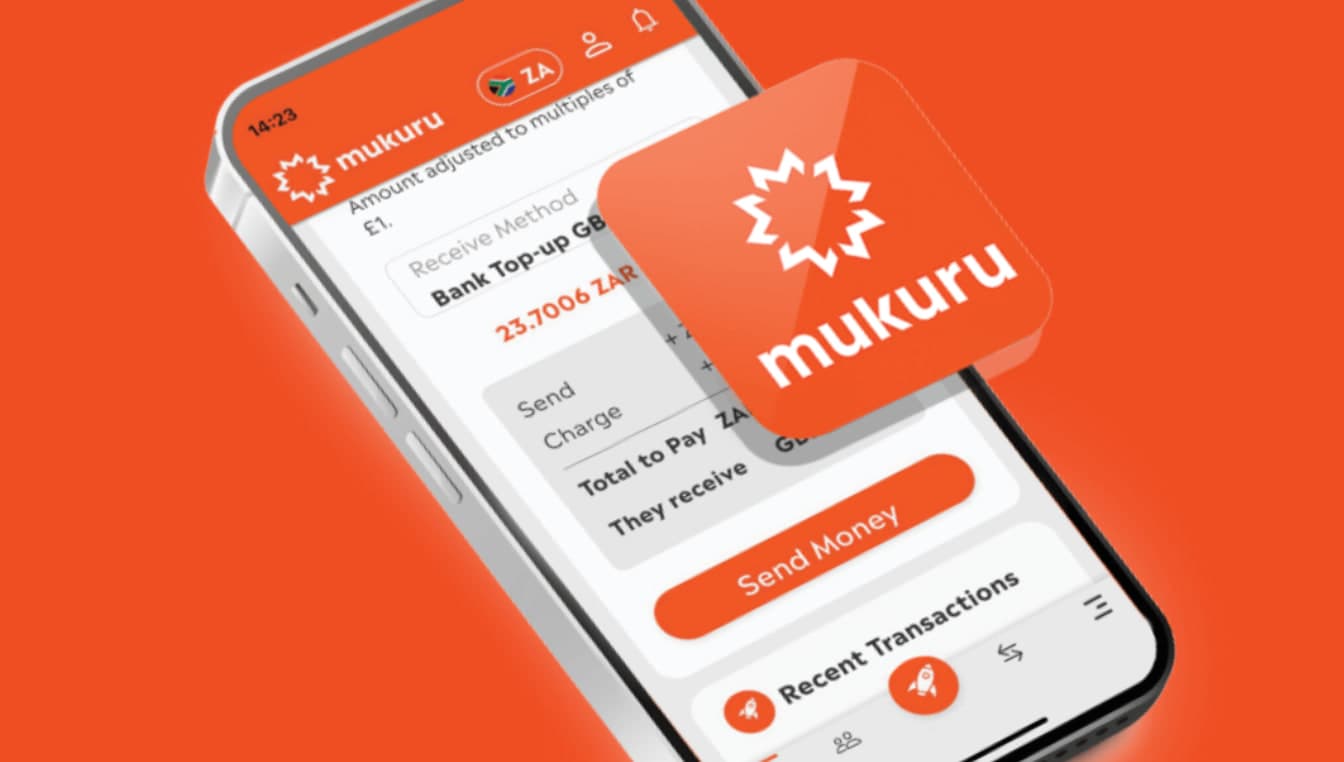
Mukuru Pic
Mukuru is giving its customers in Botswana another way to use the money they receive through its platform. The company launched its Companion Card in Botswana in August. The Visa-branded card is linked to a Mukuru Wallet, allowing customers to pay directly from their wallet balance at merchants that accept Visa.
AI-generated summary. It can miss nuance — read the full story above for the complete picture.
Mukuru is giving its customers in Botswana another way to use the money they receive through its platform. The company launched its Companion Card in Botswana in August. The Visa-branded card is linked to a Mukuru Wallet, allowing customers to pay directly from their wallet balance at merchants that accept Visa.
Customers can use the card to buy groceries, pay for transport, utilities and school fees, top up airtime and make online purchases. The difference is that they don't have to withdraw the money first. For Mukuru, which is best known for remittances, the card adds another use for a wallet that customers already use to receive money. “The Companion Card gives them a new, practical way to use it,” Thembani Moyo, Country Manager for Mukuru Botswana, told TechCabal. “So paying for groceries or topping up airtime is as easy as swiping a card, without ever needing to visit a branch or carry cash.”
Botswana has plenty of mobile phones
“The card gives customers a way to spend the money in their Mukuru Wallet without first withdrawing it.”
Botswana has high mobile phone usage, but that has not translated into the same level of access to traditional banking. The country has an estimated 4.2 million mobile connections for a population of about 2.5 million, giving it mobile penetration of roughly 166%. An estimated 38% of adults remain unbanked. That leaves a sizeable group of people who use mobile services but may not have a traditional bank account. Mukuru's wallet gives them somewhere to receive and hold money. The card now gives them a way to spend some of that money without moving it into a bank account or taking it out as cash.
The money can stay in the wallet
For someone receiving a remittance, the process can be straightforward. Money arrives in the Mukuru Wallet. If they need cash, they can withdraw it. But if they need to buy something from a merchant that accepts Visa, they can use the Companion Card instead. That means the money does not have to leave the wallet before it can be spent. It also means customers who do not use a traditional bank account can still use a card for some everyday purchases.
Cash is still part of the equation
Receiving money digitally does not mean people stop using cash. A customer may receive a remittance into a wallet and then withdraw it because they need cash for a particular payment or because the merchant they are dealing with does not accept digital payments. But where card payments are accepted, the Companion Card gives customers another choice. Amon Magunje, Country Manager for Visa Botswana, said the move could help shift some transactions away from cash. “For years, a lot of money movement here has been about cash out: funds arrive via remittance or mobile wallet, and the consumer’s next step is a trip to a cash point,” he said.
Visa wants more wallet users on its network
Visa already works with Botswana's three mobile network operators and supports more than three million Visa cards through 10 financial institutions. The Mukuru card puts Visa's payment network in front of customers who may use a wallet without having a bank card. “The Mukuru card extends that same secure rail to a wallet first, non-bank customer base for the first time,” Magunje said. The company expects fintechs and wallet providers to play a bigger role in getting more people to use digital payments, rather than that growth coming only from traditional banks. There is already more money moving through merchant payments. According to GSMA data, merchant payments grew 42% to $155 billion in 2025, making them the fastest-growing mobile-money use case.
Banks still have a different job
The Companion Card does not give customers everything they would get from a bank. Banks still provide loans, savings, investments and other financial products. They also have the infrastructure to manage services that go beyond payments. Mbatshi Masalila, Alliance and Partnerships Manager at Access Bank, said customers are increasingly looking for financial services that are easier to access. “Innovations such as digital wallets and companion cards are accelerating the industry’s focus on accessibility and convenience,” she said.
The real test is everyday use
Mukuru is starting with something its customers already understand. Someone receives money into a Mukuru Wallet. Instead of immediately withdrawing it, they can now use a card to pay for something. Whether that becomes a regular habit will depend on how customers use the card and where they can use it. For now, Mukuru is trying to make the money that comes into its wallet useful for more than just receiving it.