Minister Kgosientsho Ramokgopa says South Africa’s electricity is ‘albatross’
According to the electricity minister, as the government takes steps to stabilise the grid, the South African electricity distribution system is “an albatross” beset by fighting between the national power utility and municipalities. Eskom, the state-owned company has focused on improving the performance of the mainly coal-fired power stations that have become unreliable due to
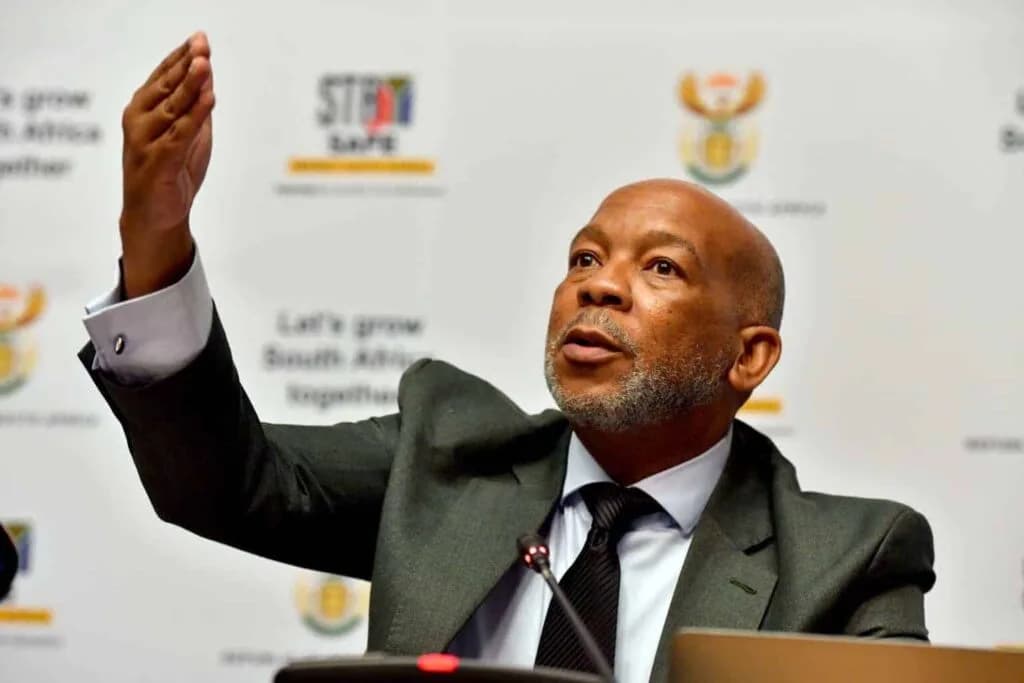
Minister-Kgosientsho-Ramokgopa-says-South-Africas-electricity-‘albatross
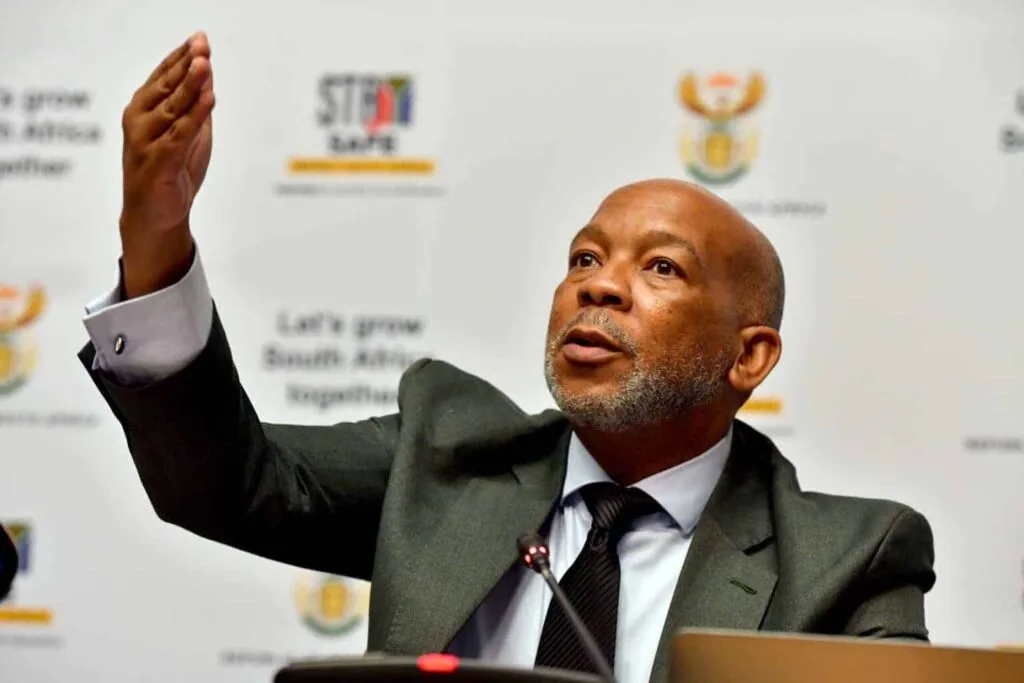
According to the electricity minister, as the government takes steps to stabilise the grid, the South African electricity distribution system is “an albatross” beset by fighting between the national power utility and municipalities.
Eskom, the state-owned company has focused on improving the performance of the mainly coal-fired power stations that have become unreliable due to neglected maintenance, which has ended up with record electricity outages that curb economic growth.
In an online briefing recently, the minister of electricity Kgosientsho Ramokgopa said the networks that connect to customers have become a growing challenge, electricity. The municipalities that are financially distressed are unable to maintain local distribution assets. He said: “The one area that remains an albatross is the distribution side.” That includes disputes between Eskom and municipalities that owe the utility about R62-billion in arrears for electricity they sold on to customers.
The country has taken measures to add generation from independent producers through government auctions, though the process has been delayed and some projects held up due to grid constraints. Some businesses that can afford it are building their own generation.
South Africa signed an agreement with China’s largest grid operator during the Brics summit in Johannesburg last week on cooperation in clean energy investments. “They’ve worked out the kind of transmission modernisation that’s required to be able to accommodate the intermittency of renewable energy sources,” Ramokgopa added.