Liberia has $6 million for small businesses, but getting a loan is still not simple
Liberia has a $6 million credit facility for small businesses, but having money available for lending does not mean that every business looking for finance can get it.
Liberia Pic
The Line of Credit does not work like a government grant.
The money is made available through participating financial institutions. A business applies for financing and still has to pass the lender's credit checks. The programme requires businesses to be formally registered and meet the requirements of the participating lender. Collateral is also required. Commercial-bank loans can reach $100,000, depending on the business and the programme's conditions. (cbl.org.lr)
AI-generated summary. It can miss nuance — read the full story above for the complete picture.
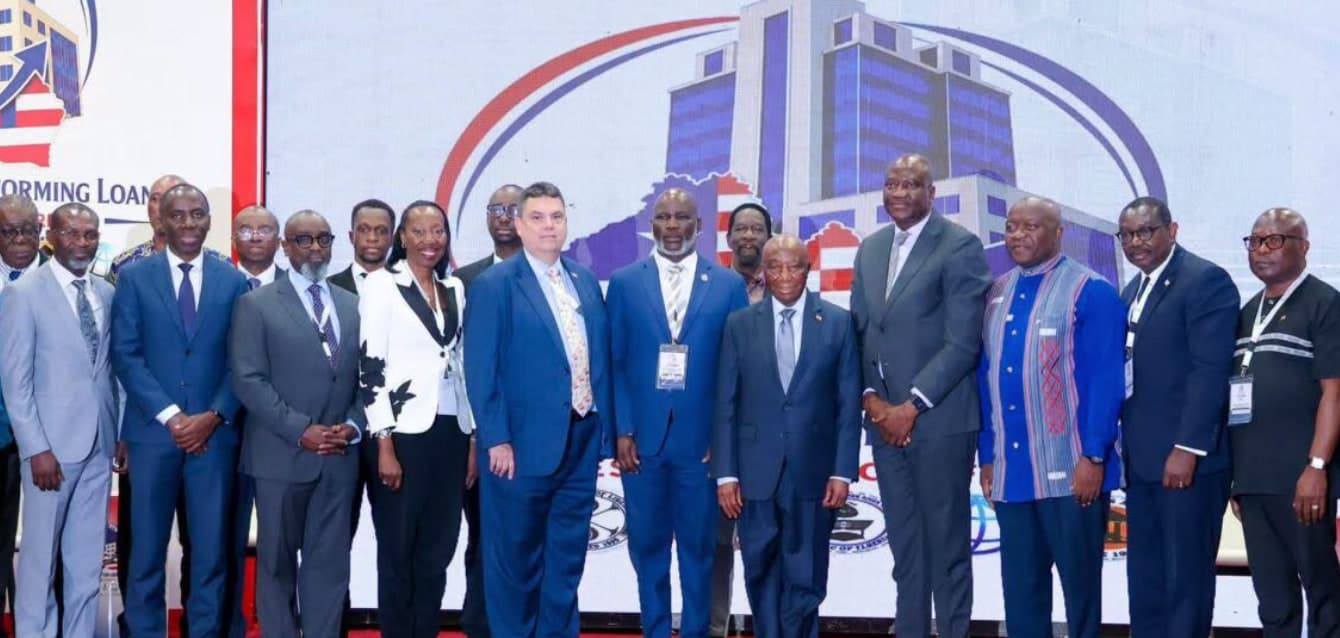
Liberia has a $6 million credit facility for small businesses, but having money available for lending does not mean that every business looking for finance can get it. That was part of the discussion on 13 September, when the Central Bank of Liberia and Ministry of Commerce met with banks, business owners, development organisations and other private sector groups to discuss financing for micro, small and medium-sized businesses.
The meeting included the government's Line of Credit, which provides longer term financing to eligible MSMEs through participating financial institutions. The facility sits within Liberia's $40 million Liberia Investment Finance and Trade Project, backed by the World Bank.
The bank still makes the decision
“The money is available, but a small business still has to satisfy the bank before the loan is approved.”
The Line of Credit does not work like a government grant. The money is made available through participating financial institutions. A business applies for financing and still has to pass the lender's credit checks.
The programme requires businesses to be formally registered and meet the requirements of the participating lender. Collateral is also required. Commercial-bank loans can reach $100,000, depending on the business and the programme's conditions.
For an established company with accounts, records and assets, that may be manageable.For a small business that has grown through daily cash sales and has never kept detailed accounts, it can be a much bigger hurdle.
Young businesses are being prepared for that process
This is where YEIB-MANCO comes in. The programme is currently accepting applications from businesses for its first cohort of 50 MSMEs. Applicants must be entrepreneurs between 18 and 35, and businesses from all 15 counties can apply. At least half of the selected businesses will be from outside Montserrado County. The deadline is 25 September 2026. (yeibmancota.com)
There is no cash cheque attached to the programme.Instead, businesses will receive help with keeping financial records, managing money, preparing business plans, marketing, developing products and using digital tools. The programme also plans to connect participants with financiers and potential markets. For someone trying to take a small business from an informal operation to a company that can approach a bank, those basics can make a difference.
Banks are cautious for a reason
The Central Bank has also been dealing with problems on the lending side. From 9 to 11 September, it held a conference focused on non-performing loans loans where borrowers have fallen behind on their repayments. The Central Bank said these loans are affecting the availability and cost of credit in Liberia. (cbl.org.lr) So banks are being asked to lend more to small businesses while also dealing with loans that have already gone bad.
That is not an easy balance. A bank has to look at whether a business has enough income to repay the loan, what the money will be used for and what happens if the business runs into trouble.
What happens after the applications?
This is where the Liberia story gets interesting. There is already a financing facility. There is also a programme helping young businesses prepare for finance. The next question is how many businesses move from one stage to the other. If a young business gets its records in order but cannot obtain financing, the problem has not really changed.
If businesses use the support to qualify for loans, buy equipment, increase stock, take on employees or open another location, there is a more direct link between the programmes and business growth. Liberia's $6 million Line of Credit is therefore only one part of the picture. The businesses still have to apply. The banks still have to assess them. And the loans still have to be repaid.