ERB Inspects 1,315MW of Power Projects in Zambia
Zambia’s Energy Regulation Board (ERB) is monitoring eight power projects with a combined capacity of 1,315 MW across Southern and Central provinces as the country works to bring more generation capacity onto the national grid.
Power Distribution
Zambia’s Energy Regulation Board (ERB) is monitoring eight power projects with a combined capacity of 1,315 MW across Southern and Central provinces as the country works to bring more generation capacity onto the national grid.
The projects cover coal, thermal, solar and bagasse-based generation and include the transmission infrastructure required to evacuate electricity from the new facilities. ERB said on September 14 that its recent inspections assessed construction progress, regulatory compliance and challenges that could affect project delivery.
The projects under review are Maamba Energy’s 300 MW Phase II coal plant, Ever Great Energy’s 300 MW first-phase thermal project, the first phase of the Ezra Energy project, Atlas Energy’s 135 MW thermal plant, Guoli Energy Zambia’s 135 MW project, Zambia Sugar’s 100 MW bagasse-fired plant, Maamba Solar’s 100 MW facility and Mumbwa Solar’s 50 MW project.
Major projects under construction
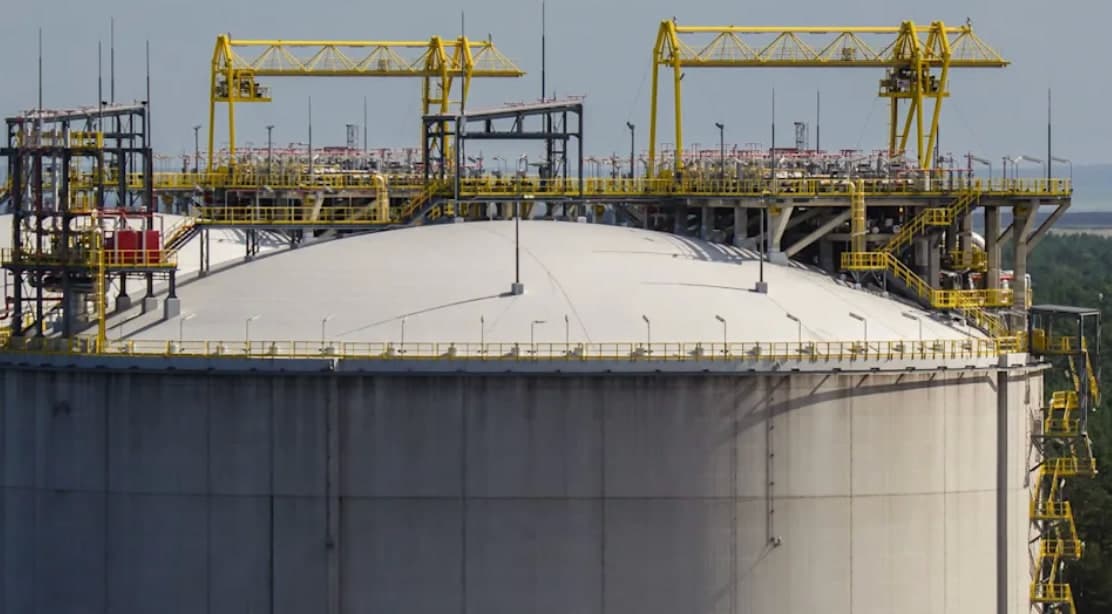
Maamba Energy’s Phase II expansion is expected to add another 300 MW to its existing 300 MW coal-fired plant in Sinazongwe, taking the facility’s total generation capacity to 600 MW.
Ever Great Energy is developing the first 300 MW phase of a planned 600 MW thermal power project in Sinazongwe. Atlas Energy is constructing a 135 MW thermal plant in Mazabuka, while Guoli Energy is developing a thermal project in Southern Province with the monitored phase accounting for 135 MW of a planned 270 MW development.
Ezra Energy is also developing a 400 MW thermal project in Sinazongwe, which is being implemented in two phases.
The project list also includes solar and renewable generation. Maamba Solar is developing a 100 MW plant, Mumbwa Solar is working on a 50 MW facility, while Zambia Sugar plans to generate 100 MW from bagasse, a by-product of sugar production.
Grid infrastructure remains critical
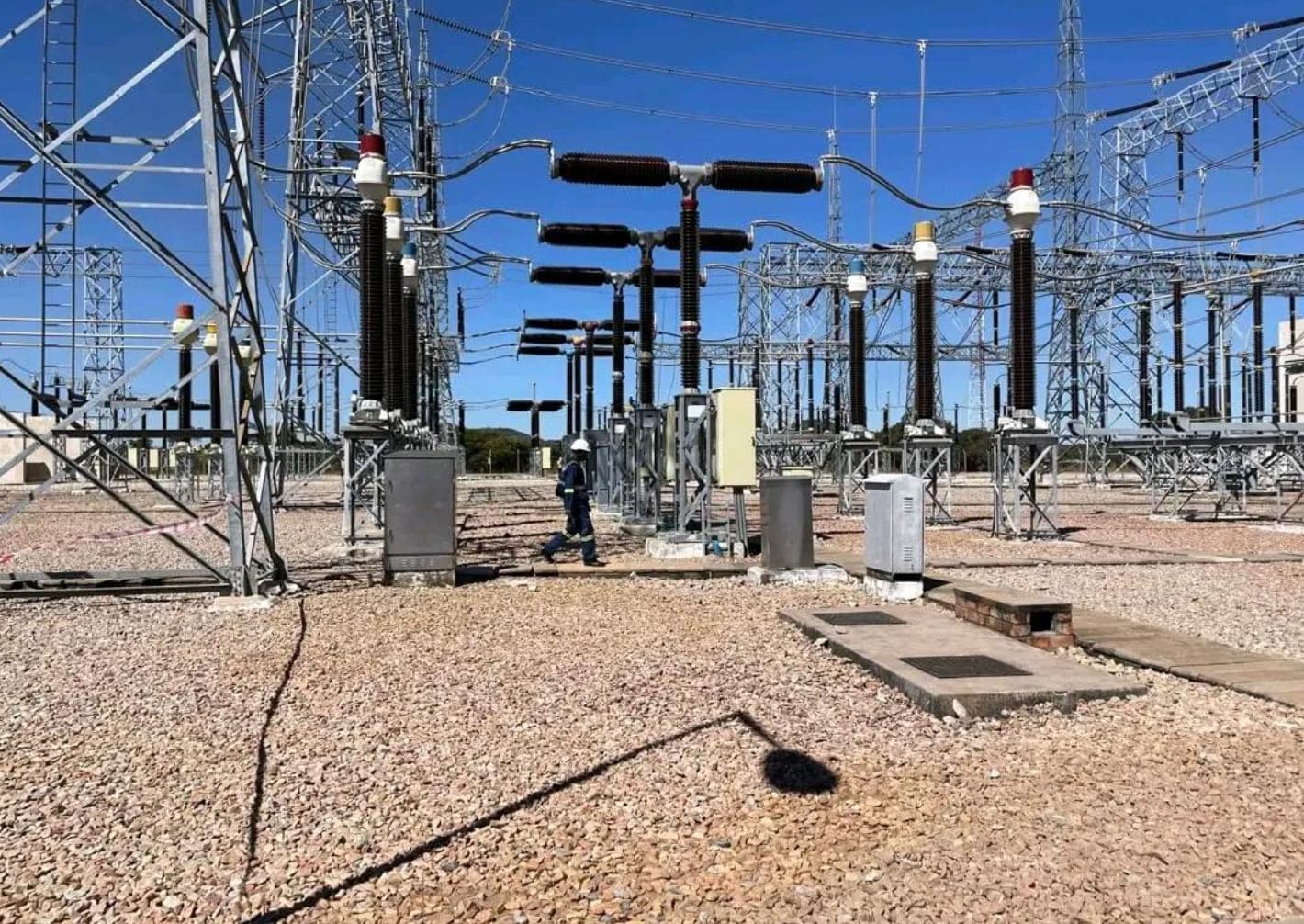
ERB’s inspections are also examining the transmission and power-evacuation infrastructure needed to connect the projects to Zambia’s national grid.
Generating additional electricity does not automatically increase supply to consumers. The power must be moved from the generating plant through substations and transmission lines capable of carrying the additional output.
The issue has become more important as Zambia expands its generation mix. ERB said in its 2025 annual report that it approved construction permits for 1,593.6 MW of new generation capacity during 2025, with solar accounting for about 73% of the total. The regulator also approved 135 electricity supply or power purchase agreements, compared with 70 in 2024.
Maamba Energy already illustrates the importance of evacuation infrastructure. Its existing plant is connected to the national grid through a 46-kilometre, 330kV double-circuit transmission line running to the Muzuma substation in Choma.
Zambia expands beyond hydropower
The current project pipeline follows Zambia’s severe electricity shortages in 2024, when drought reduced water levels at major hydropower reservoirs and sharply cut generation, affecting many startups, SMEs and entrepreneurs who depend on reliable electricity to run their businesses.
The power crisis exposed the risks of relying heavily on hydropower and pushed the government and private developers to accelerate investment in solar, thermal and other forms of generation.
The Ministry of Energy said in November 2025 that 29 public and private power projects representing about 2,510 MW were under construction and scheduled for commissioning during 2025 and 2026.
The International Monetary Fund has also identified Maamba Phase II and several solar developments among projects expected to strengthen Zambia’s electricity supply, although it has warned that shortages remain a risk as electricity demand increases, particularly from mining and other large industrial users.
Regulator also updates transmission rules
Alongside monitoring new generation projects, ERB is working on rules intended to strengthen Zambia’s transmission system.
Cabinet approved in principle the draft Electricity Transmission Grid Code and Wayleaves and Clearance regulations in November 2025. The grid code is intended to improve system reliability and support the integration of a larger share of renewable electricity.
For the 1,315 MW of projects currently being monitored, the availability of adequate transmission infrastructure will be as important as completing the power plants themselves. Bringing the generation projects online will ultimately depend on both construction progress and the ability of the grid to carry their electricity to consumers.