Kenya is assembling more vehicles. Local businesses want a bigger piece of the work
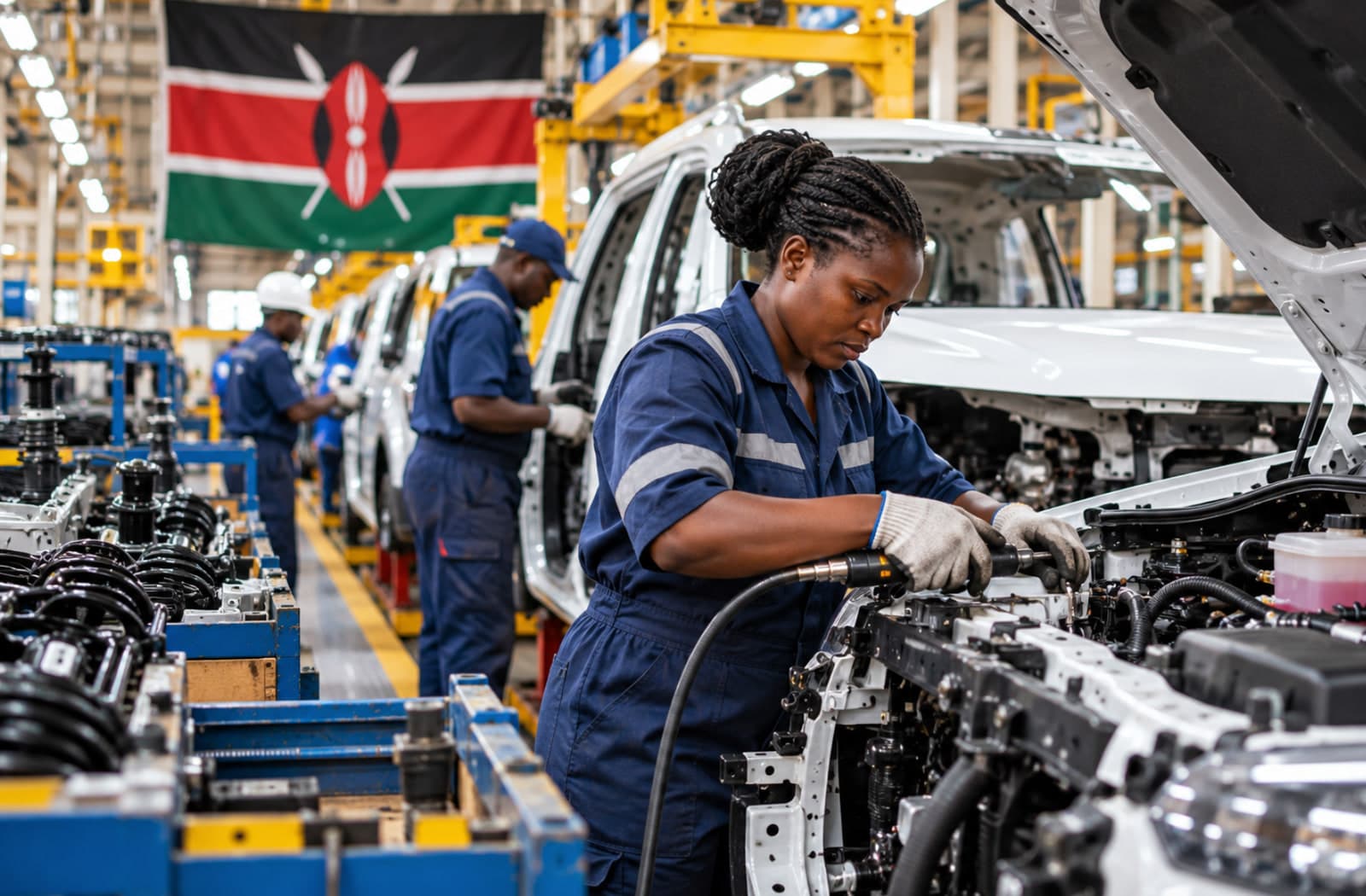
Kenya assembled 10,221 vehicles between January and July 2026, compared with 7,790 in the same period last year. July production came to 1,863 vehicles.
Kenya's vehicle market
Kenya assembled 10,221 vehicles between January and July 2026, compared with 7,790 in the same period last year. July production came to 1,863 vehicles. For the companies running assembly plants, more vehicles means more production. For smaller Kenyan businesses, the more interesting part is what happens around those factories.
AI-generated summary. It can miss nuance — read the full story above for the complete picture.
Kenya assembled 10,221 vehicles between January and July 2026, compared with 7,790 in the same period last year. July production came to 1,863 vehicles. For the companies running assembly plants, more vehicles means more production. For smaller Kenyan businesses, the more interesting part is what happens around those factories.
Every vehicle that comes off an assembly line needs a long list of things before it gets there. Parts have to be moved. Equipment has to be maintained. Components need to be stored and delivered on time. Factories need electricians, engineers, welders, technicians and other contractors. Some of that work can be done by Kenyan companies. The problem is that getting into an automotive supply chain is not as simple as having a workshop or manufacturing business. Suppliers have to meet the volumes, prices and quality requirements set by vehicle manufacturers.
Kenya is trying to build that supplier base
The government has been putting more attention on companies that make automotive parts rather than focusing only on the assembly plants. Its National Automotive Sector Development Project is backed by a JPY25 billion Samurai Loan Facility and includes support for local manufacturers, skills development and automotive suppliers. The government has also reported that local content in vehicle assembly increased from 9% to 38%.
Its vehicle leasing programme generated around KSh400 million in business for local parts and accessories manufacturers, according to government figures.
That gives some indication of where the industry is heading. A local company does not have to manufacture an engine or gearbox to participate. There is money in smaller jobs and components if a supplier can meet the requirements of the assembly plants.
Government buying has made a difference
Government orders have helped keep local assembly lines busy. Kenya's vehicle leasing programme has included locally assembled vehicles, creating a relatively steady source of demand for assemblers and some local suppliers. But manufacturers cannot depend on government fleets forever. They need private companies, transport operators, dealers and other fleet buyers to purchase locally assembled vehicles as well. That will be important if Kenya wants production to keep growing rather than rise mainly when government procurement increases.
EVs could open another supplier market
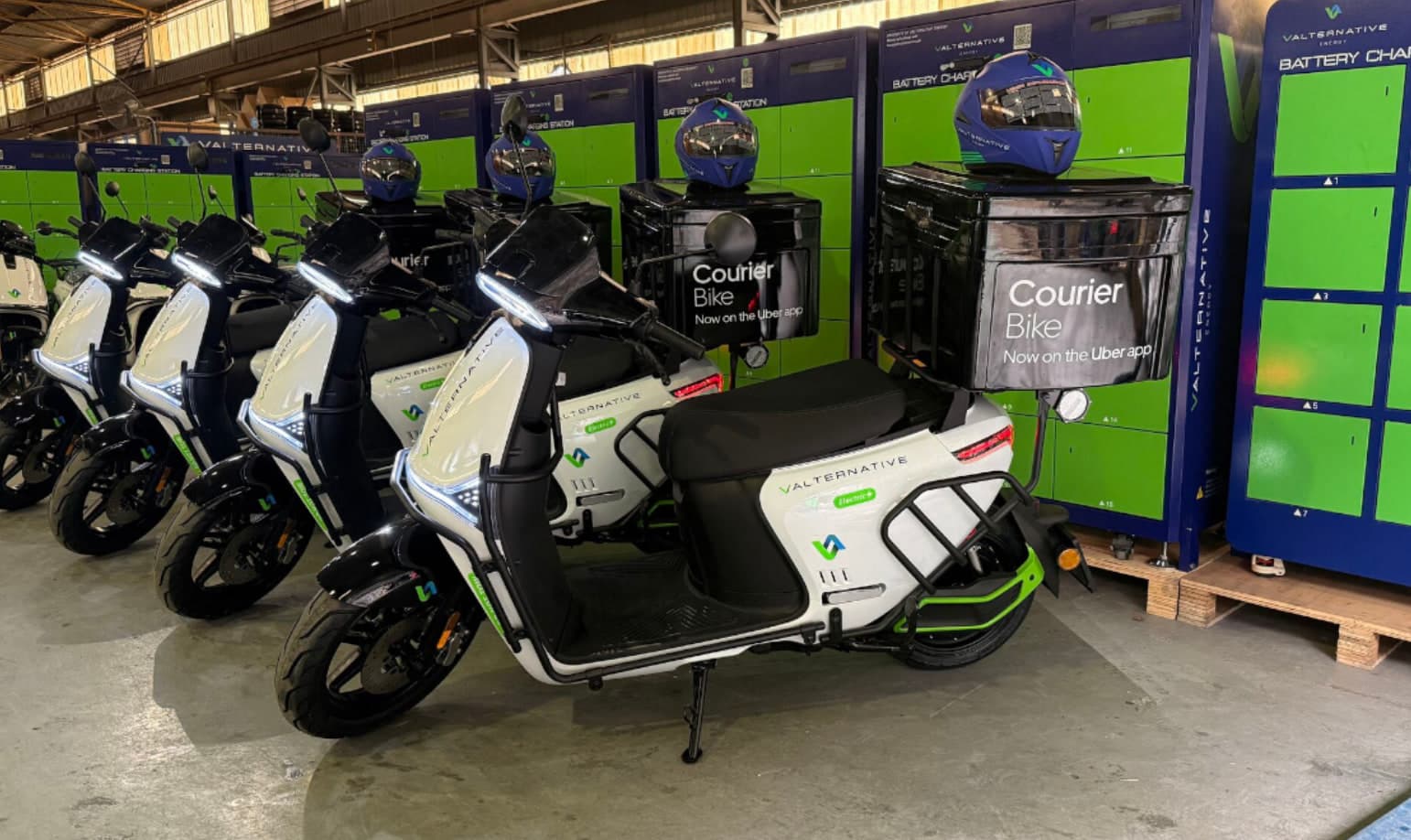
Kenya is also preparing for more electric vehicles. Its electric mobility policy calls for local manufacturing and assembly, as well as local supply chains for EV components and materials. That could bring different businesses into the automotive market.
Companies working with charging equipment, electrical systems, batteries, software and EV maintenance could find new customers. But these are technical markets. A business that wants to supply an automotive manufacturer will need the equipment, certification, skills and production capacity to do the job consistently.
More cars assembled does not tell the whole story
The jump to 10,221 vehicles is worth watching, but the assembly figure alone does not tell us how much of the work is being done in Kenya. The useful numbers over the next few years will be things such as how many local suppliers are being contracted, how much Kenyan made content goes into each vehicle and whether those suppliers can sell beyond one assembly plant. That will show whether Kenya is simply assembling more vehicles or whether more of the automotive business is actually moving into the country.