John Alamu seeks $72 million for sesame and cashew factories. How could SMEs benefit?
A new agricultural processing factory can mean business for more than the farmers supplying its crops. Transport companies need to move deliveries, packaging firms must supply materials, and technicians are needed to keep machinery running.

John Alamu
A new agricultural processing factory can mean business for more than the farmers supplying its crops. Transport companies need to move deliveries, packaging firms must supply materials, and technicians are needed to keep machinery running.
AI-generated summary. It can miss nuance — read the full story above for the complete picture.
A new agricultural processing factory can mean business for more than the farmers supplying its crops. Transport companies need to move deliveries, packaging firms must supply materials, and technicians are needed to keep machinery running. For small businesses, the challenge is getting a share of that work and having enough cash to deliver it. That is the opportunity Nigerian entrepreneur John Alamu is pursuing with a proposed $72 million financing package from the International Finance Corporation (IFC).
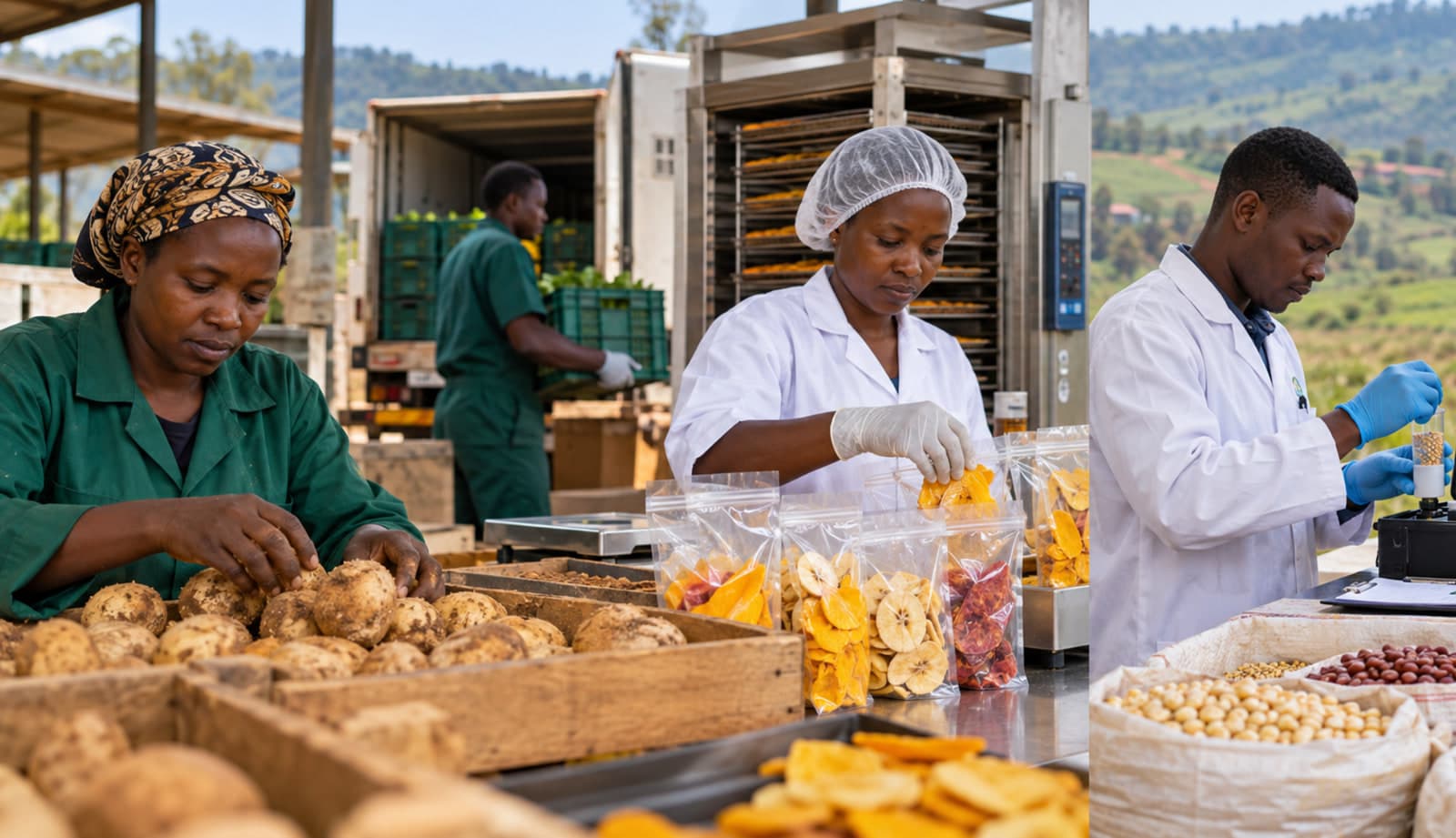
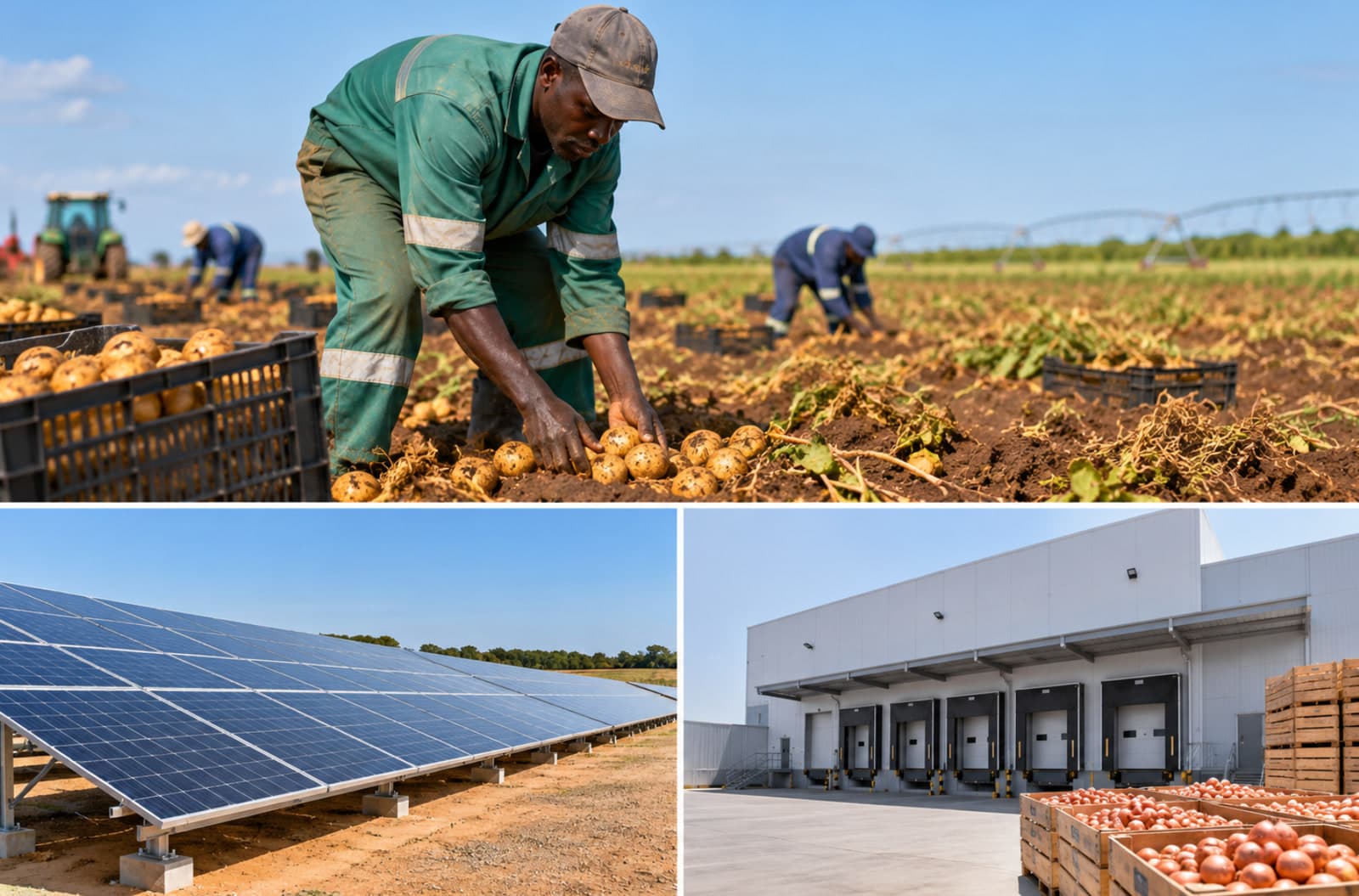
Through Johnvents Industries, Alamu plans to establish a sesame processing plant in Nigeria and a cashew processing facility in Côte d’Ivoire. The proposal also includes 30 trucks to support the movement of agricultural produce. The investment is intended to expand local processing capacity for two crops produced across West Africa. If the facilities proceed as planned, they could create business opportunities for farmers, agricultural traders and SMEs providing transport, packaging, maintenance and other services.
But the extent of those opportunities will depend on how Johnvents runs the factories, where it buys its produce and which services it chooses to outsource.
“A factory may create demand, but smaller businesses still have to meet the buyer’s requirements, manage their costs and get paid on time.”
Where SMEs could find business
Running a processing factory requires a network of suppliers. Some provide the raw materials, while others handle the work needed to keep production moving. Transport is one area to watch. Agricultural traders and farmers need to get their produce to the processing facilities, and finished products must be moved to customers. Although Johnvents plans to acquire trucks, it may still need external transport providers for certain routes or additional capacity, depending on its logistics arrangements.
Packaging is another potential area. Processing companies need suitable materials to store and transport their products. Local packaging manufacturers and distributors could compete for orders if they meet the company's specifications and pricing requirements. There could also be work for engineering workshops, electrical contractors and equipment maintenance businesses. Processing machinery needs regular servicing, and breakdowns can interrupt production. Suppliers that can respond quickly and carry the right technical expertise may be well placed to compete for such work.
Other possible opportunities include cleaning, security, catering and the supply of workplace equipment. These are potential opportunities rather than confirmed contracts. Johnvents has not necessarily committed to sourcing all these services from local SMEs, and some work may be handled internally or through existing suppliers. For smaller businesses, the first step will be finding out what the company intends to purchase and how suppliers can qualify.
Could farmers and agricultural traders sell more produce?
The factories could also create a larger market for businesses that collect agricultural produce from smaller farms. A small agricultural trader, for example, may buy sesame from several farmers before selling it to a larger customer. If a processing plant needs regular deliveries, that trader could potentially increase the volume handled and build relationships with more growers.
The same applies to cashew traders and cooperatives supplying the proposed facility in Côte d’Ivoire. However, larger orders come with additional responsibilities. Buyers may require consistent quality, specific moisture levels, proper sorting and deliveries within set periods. A trader who cannot meet those requirements risks losing the contract. There is also the question of price. Farmers and traders will need to assess whether the price offered covers production, storage, handling and transport costs. A nearby factory does not automatically guarantee better prices or more profitable sales.
Payment terms will matter just as much. Agricultural SMEs often have to pay farmers and transporters before receiving money from their own customers. If payments are delayed, a business can run short of working capital even when it has plenty of orders.
The working-capital challenge
Winning a contract with a large company can put pressure on a small supplier's finances. Consider a transport operator asked to move produce over several weeks. The operator must pay for fuel, drivers, vehicle maintenance and other running costs before the customer settles the invoice. A packaging manufacturer may have to buy raw materials and pay workers before delivering an order.
If the customer pays after 30 or 60 days, the SME must finance that gap. This is why businesses should examine payment terms before accepting contracts. They need to calculate the cost of fulfilling an order, establish how long they can operate without payment and make sure the agreed price leaves room for unexpected expenses.
Some SMEs may need working-capital finance to take on larger orders. A confirmed purchase order can help when approaching a lender, although financing will depend on the business's financial position and the lender's assessment. The important point is that more sales do not necessarily mean more cash in the bank. SMEs need contracts that they can afford to fulfil.
Could local service businesses benefit too?
The effects of the proposed facilities may extend beyond companies directly involved in agriculture. A factory employs people and uses services. Depending on its location and operating arrangements, this can create demand for local catering companies, cleaning businesses, security providers and other service SMEs.
Engineering firms may find opportunities maintaining electrical systems, motors and production equipment. Businesses supplying protective clothing, tools and industrial consumables could also approach the company if their products match its requirements. There may be opportunities for smaller businesses to work as subcontractors to larger suppliers. An SME that cannot secure a direct contract with Johnvents might still provide transport, repairs or other services to a contractor working for the company.
That route can help smaller firms build experience with industrial customers. But they will still need clear agreements on pricing, responsibilities and payment, particularly when several businesses are involved in delivering the same contract.
What should SMEs do before approaching Johnvents?
Businesses interested in supplying the proposed factories should start by identifying the service or product they can deliver reliably. A transport company should be able to show that its vehicles are suitable, properly maintained and available when needed. A packaging supplier should understand the specifications and volumes required. An agricultural trader should have a clear picture of the produce it can source and the quality it can maintain.
SMEs should also prepare their business documents, pricing schedules and references from previous customers. Larger buyers often need evidence that suppliers can meet delivery deadlines and handle orders consistently. It is equally important to ask practical questions about the procurement process. Which products and services will be outsourced? Will contracts be awarded directly or through larger contractors? What payment terms will apply? Will suppliers be expected to deliver at fixed volumes throughout the year? The answers will help businesses decide whether to pursue the opportunity and what investment they may need to make.
The $72 million financing is still a proposal
The IFC financing sought by Johnvents should not be treated as money already approved and paid to the company. The proposed investment remains subject to the financing process. If the project proceeds, the next details to watch will include construction timelines, processing capacity, sourcing arrangements and how the company selects its suppliers.
For Nigeria and Côte d’Ivoire, the proposed factories could expand the amount of sesame and cashew processed locally. For SMEs, the commercial value will depend on whether that activity leads to contracts they can win and fulfil profitably. A factory may create demand, but smaller businesses still have to meet the buyer's requirements, manage their costs and get paid on time.
The question for SMEs is not simply whether Johnvents will build the factories. It is whether local businesses will be able to secure a place in the supply chains that grow around them.