Guinea Opens First Gold Refinery as Government Pushes Domestic Processing
Guinea has inaugurated its first gold refinery in Conakry as the government moves to require domestic processing of gold produced by artisanal miners and large-scale mining companies.
Gold
Guinea has inaugurated its first gold refinery in Conakry as the government moves to require domestic processing of gold produced by artisanal miners and large-scale mining companies.
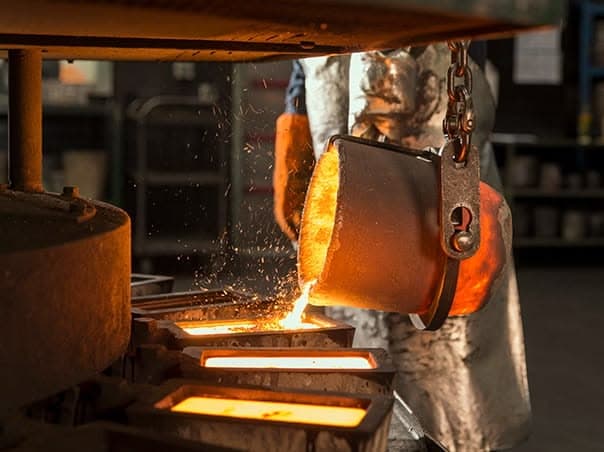
The Nimba Gold Refinery, inaugurated on Sunday, November 1, has a designed processing capacity of up to 733 tonnes annually. The facility will produce refined gold bars and is expected to support the government's plans to bring more of the country's gold processing activity within its borders.
The new requirements would change how gold producers prepare their output for export, reducing reliance on overseas refineries.
Guinea Sets Domestic Refining Requirements
In July, the government introduced a 90-day transition period to allow gold producers to continue exporting unrefined gold while preparing to comply with the new rules. Under the proposed system, licensed refineries operating in Guinea would receive priority access to domestically produced gold.
Authorities have also begun discussions with industrial and semi-industrial mining operators to establish how they will meet the requirements.
During a meeting with Mines Minister Bouna Sylla in early October, officials outlined plans for the central bank to purchase up to 30% of industrial and semi-industrial operators' gold output on behalf of the state.
It remains unclear whether the government intends to direct this gold to the Nimba Gold Refinery or how the proposed purchases would work alongside the new domestic refining rules.
Mining Companies Prepare for the Changes
Mining companies have been engaging with the government ahead of the transition.
PDI Gold, which operates the Kiniéro gold mine and is developing the Bankan project, said in late July that it was working with Guinean authorities to support a "practical and orderly transition to the new regime."
The company said the transition period was scheduled to end on October 6, 2026. It was also exploring the possibility of establishing on-site refining facilities to meet the minimum gold purity requirement of 95.5% before export.
AngloGold Ashanti, operator of the Siguiri mine, Guinea's largest industrial gold operation, has also been in discussions with authorities. The company already operates under domestic refining requirements in Ghana, and chief executive Alberto Calderon has expressed confidence in its ability to comply with Guinea's new rules.
Neither company has detailed how its operations will support the country's domestic refining plans.
Guinea's Gold Export Figures
Official figures show that Guinea exported 2.33 million ounces of gold, equivalent to approximately 72 tonnes. Industrial mines accounted for 641,275 ounces, while semi-industrial operations contributed 103,692 ounces.
The opening of the Nimba Gold Refinery gives Guinea a domestic facility with a stated annual capacity of 733 tonnes, substantially above the country's reported gold export volume. However, its actual throughput will depend on available supply, operating arrangements and the implementation of the government's new requirements.