Ghana wants private investors to put more money into climate projects
Ghana is looking for more private money to fund projects in energy, farming, water, waste and other areas linked to climate change.
Ghana
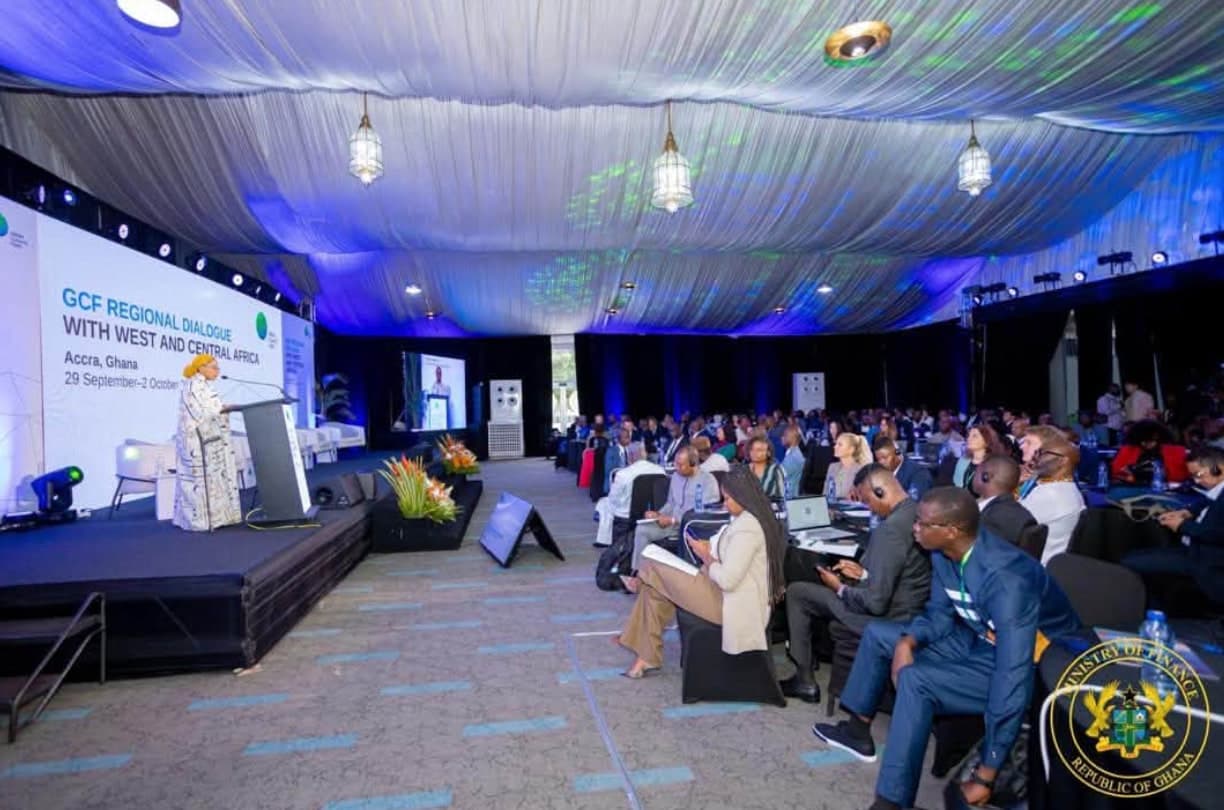
Ghana is looking for more private money to fund projects in energy, farming, water, waste and other areas linked to climate change. The country's Deputy Finance Minister made the call at a Green Climate Fund regional dialogue in Accra, bringing together stakeholders from West and Central Africa.
AI-generated summary. It can miss nuance — read the full story above for the complete picture.
Ghana is looking for more private money to fund projects in energy, farming, water, waste and other areas linked to climate change. The country's Deputy Finance Minister made the call at a Green Climate Fund regional dialogue in Accra, bringing together stakeholders from West and Central Africa.
There is a practical reason for the push. Ghana cannot rely on the government and development finance alone to pay for everything that needs to be built.
The private sector will have to finance some of it. That could include a factory putting up solar panels, a farmer installing irrigation, a recycling company buying equipment or a logistics business switching part of its fleet to electric vehicles. These are not necessarily big climate projects. Some are ordinary business investments where the climate benefit happens to be part of the deal.
“A climate label alone will not convince an investor to put money into a project. The business still needs customers.”
A factory's electricity bill is a business problem
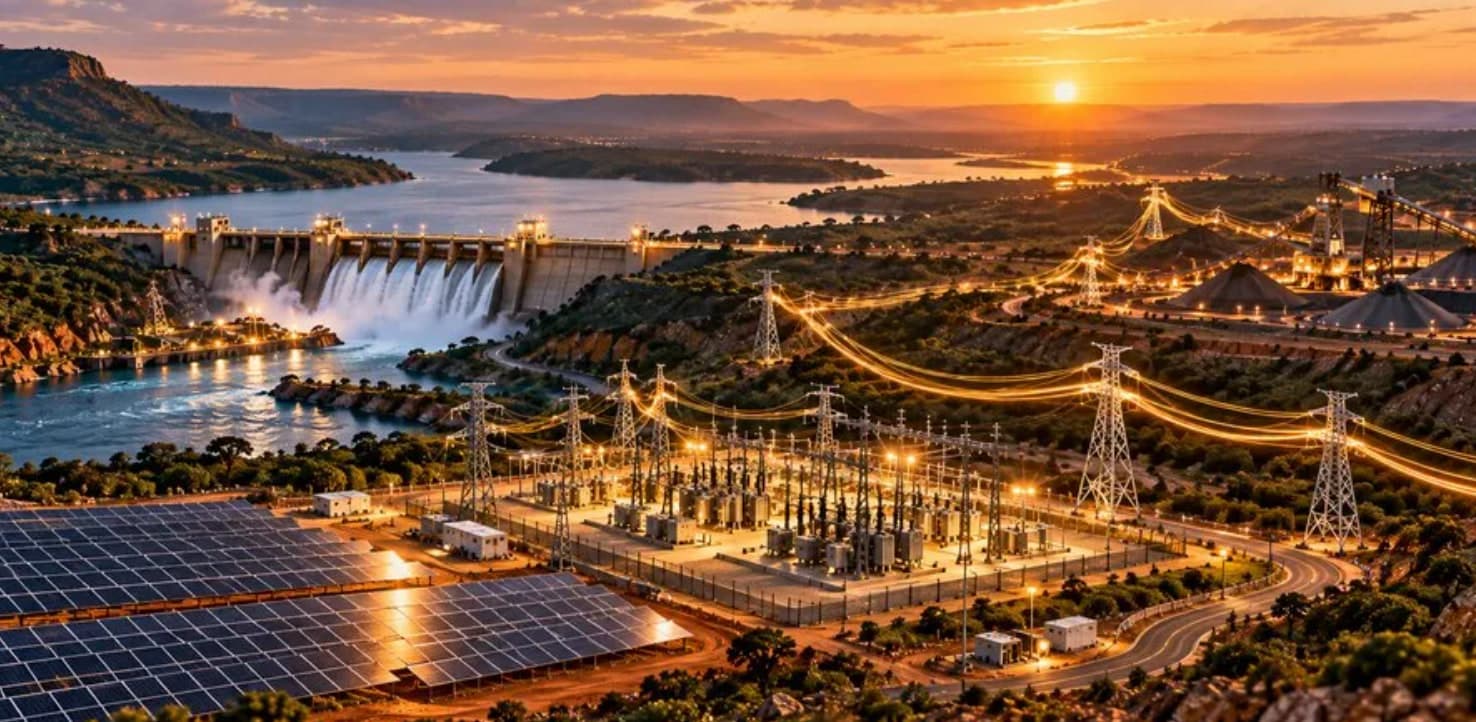
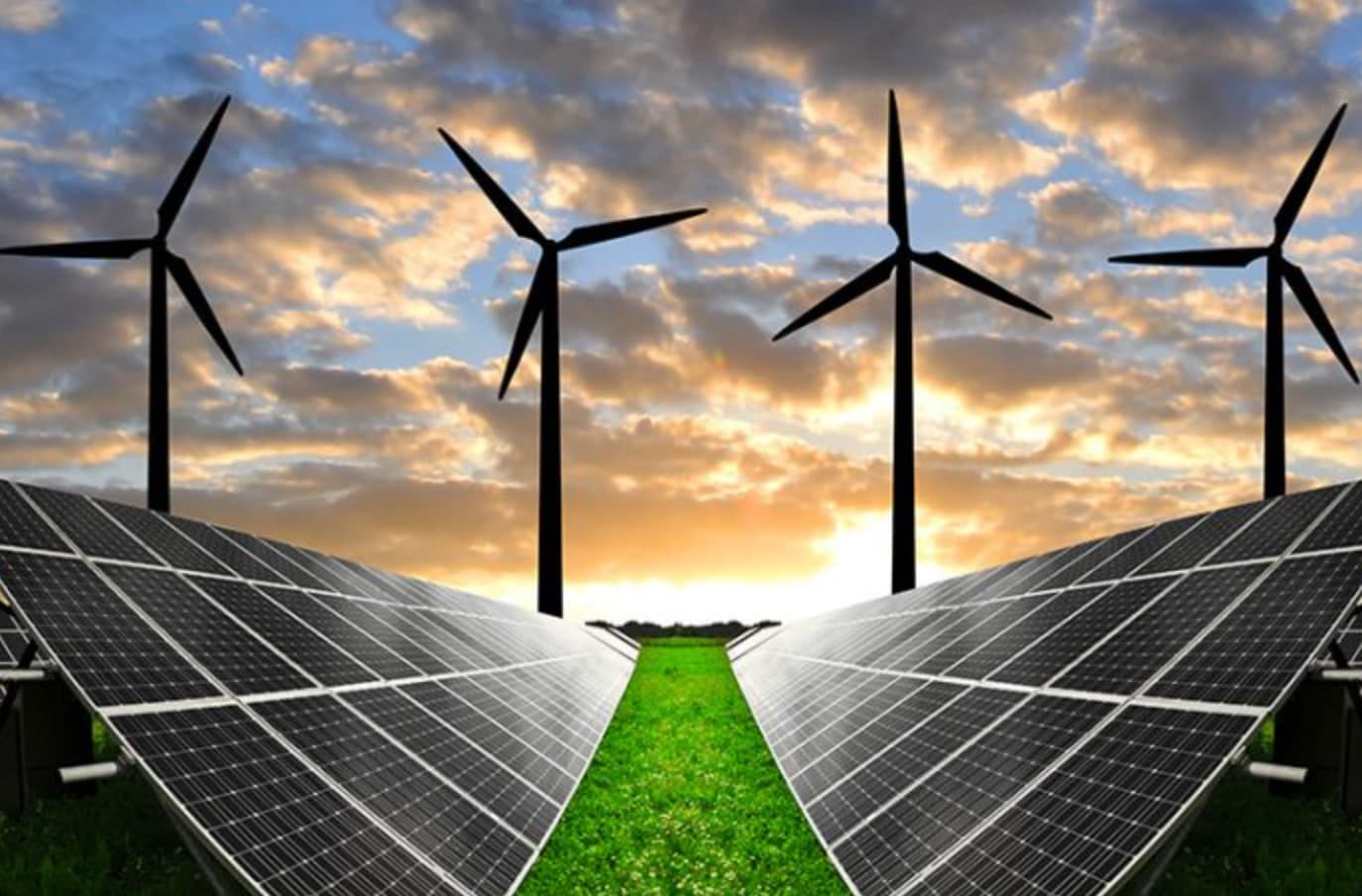
Take solar. A manufacturer that spends heavily on electricity has a reason to look at rooftop solar even without a climate target. If the system cuts the monthly power bill and the numbers work over several years, there is a business case. The same applies to cold-storage companies, hotels, farms, warehouses and other businesses that use a lot of electricity.
This creates work for smaller companies that install solar systems, supply batteries, maintain equipment and provide financing. The problem is often the upfront cost. A small business may want solar but not have enough cash to pay for the entire installation. That is where private financing can make a difference. Instead of the business finding the full amount upfront, a lender or investor could finance the equipment and recover the money over time.
Farmers have a similar problem
For farmers, climate-related investment can be much less complicated than the term suggests. An irrigation system is useful when rainfall is unreliable. A storage facility is useful when crops need to be kept after harvesting. A better pump can reduce diesel or electricity costs. A cold room can give a food business more time to sell its stock. All of these can be commercial investments.
There are opportunities for Ghanaian SMEs to supply and maintain this equipment, but many of these companies also need financing to grow. A small irrigation business, for example, may have demand from farmers but lack the money to buy equipment in bulk or hire additional technicians.
Waste businesses need equipment
Waste is another area where the gap between demand and available capital can be seen. A recycling business needs collection vehicles, sorting equipment, storage space and processing machinery. Without those things, it can only handle a limited amount of material. More investment could allow these businesses to expand. But the business still needs somewhere to sell what it collects.
A recycling company needs buyers for the plastic, paper, metal or other material it processes. An organic-waste business needs customers for compost or other products. So the investment has to follow the whole operation, not just the environmental part.
Water can become a cost-saving business
Water is another area where businesses can make money while helping customers use fewer resources. Factories, farms, hotels and food-processing businesses all use water. Companies can sell them equipment for treatment, recycling, storage and more efficient use. For the customer, the pitch is simple: spend money on equipment now and reduce water costs later. For the company supplying the equipment, the problem is finding customers that can afford the initial investment. Private financing could help close that gap.
Manufacturing has another angle
Ghana's manufacturers could also become customers for climate related finance. A factory does not necessarily need to build something new. It could replace an inefficient machine, upgrade its cooling system, install better insulation or change how it uses electricity. The reason for doing this may have little to do with climate policy. If the new equipment reduces the electricity bill or cuts material waste, that is enough of a reason for many businesses. It also creates work for local engineering firms and equipment suppliers.
Electric transport still has to make financial sense
Transport is another area where private investors could put money. Electric delivery vehicles, motorcycles and charging stations are becoming more common in African markets, but the switch is not simply a matter of buying an electric vehicle. A delivery company has to calculate the purchase price, battery range, charging time and running costs. A charging company has to find locations where enough vehicles will use the stations. Those businesses need capital before they have enough customers to cover their costs. That is another place where private investment could help, provided the underlying numbers make sense.
SMEs may be further down the chain
For many smaller businesses, the money may not come directly from a climate fund or investment firm. It may come through a larger project. A solar project needs installers and maintenance companies. A new recycling facility needs transporters.
An agricultural project needs equipment suppliers. A factory upgrading its machinery needs engineers. An electric-vehicle business needs charging and repair services. Those companies can win work without raising millions of dollars themselves. But they still need access to working capital to take on larger contracts. That remains a problem for many SMEs. A business may have customers and a decent trading history but struggle to get a loan because it does not have enough collateral.
Private money comes with conditions
There is another reality to Ghana's push. Private investors will expect their money to earn a return. A climate label alone will not convince an investor to put money into a project. The business still needs customers, predictable income and a reasonable chance of paying back the investment. That may actually favour some smaller climate-related businesses. A company installing solar for factories can point to a paying customer. A recycling business can show how much material it collects and who buys it.
An irrigation company can show the farmers using its equipment. Those are commercial propositions, even though they also have an environmental benefit. Ghana's task now is to get more projects to that point and make it easier for investors to put money into them. For SMEs, the most useful outcome would be financing that reaches the businesses buying the equipment, supplying the services and doing the work on the ground.