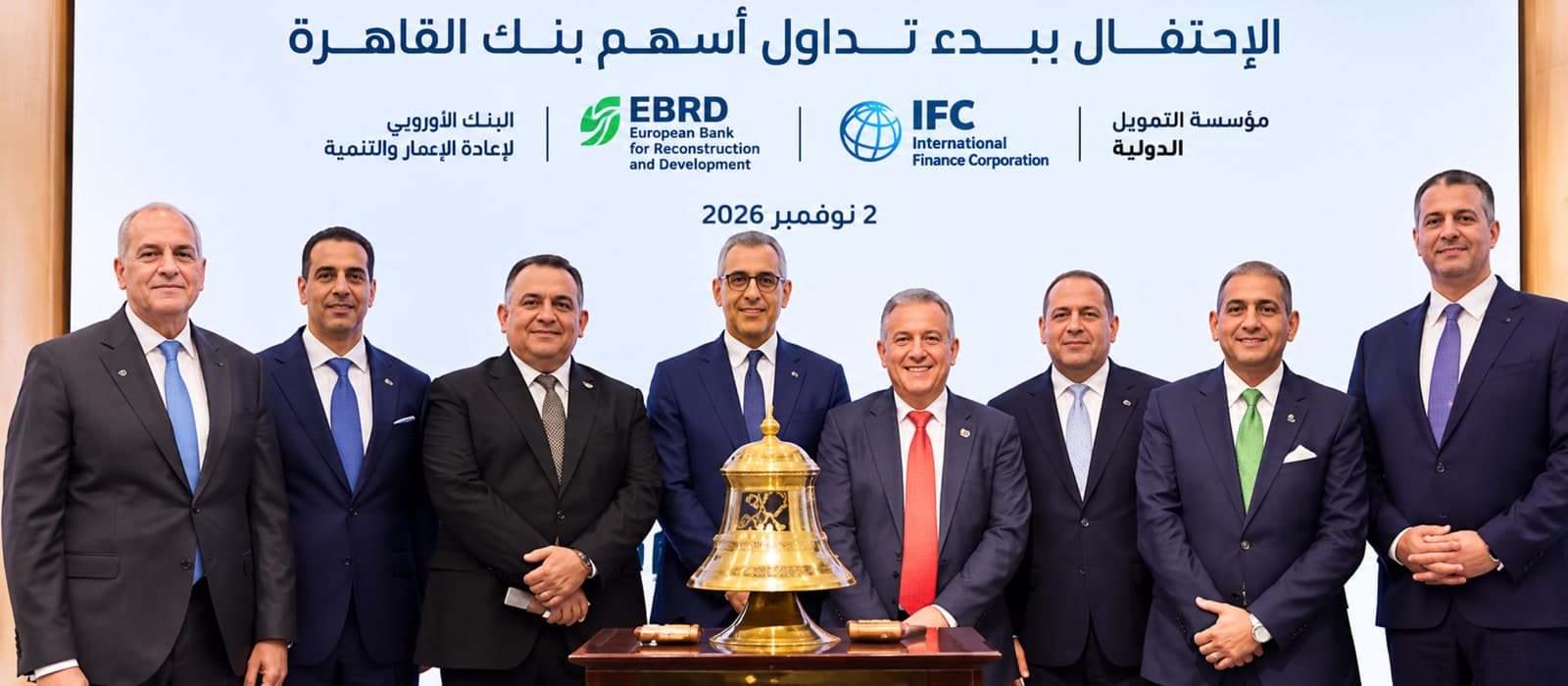
Egyptian fintech MNT-Halan makes its stock market debut after strong IPO demand
Egyptian fintech MNT-Halan has joined the Cairo stock market after an IPO that attracted strong investor demand. Its listing marks another funding route for African fintech businesses looking to grow beyond venture capital and private investment.
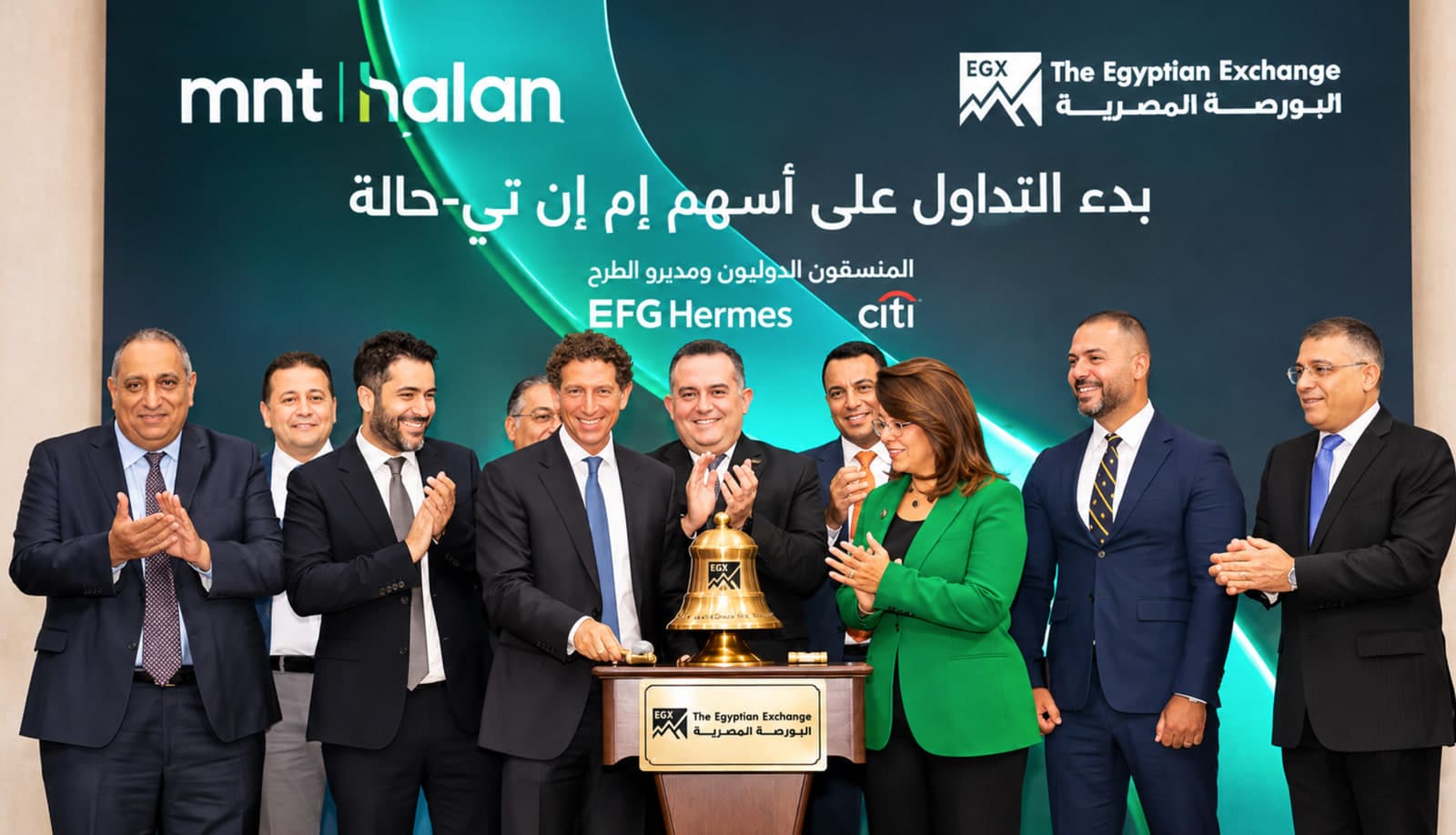
MNT-Halan
MNT-Halan has taken a step that many African fintech companies are yet to make. The Egyptian financial services business is now trading on the Egyptian Exchange, following an IPO that attracted far more investor interest than the shares available.
The company started trading on 20 October 2026 under the ticker HALN.CA. The retail portion of the offering was oversubscribed 43.6 times, while institutional demand reached 11.2 times the available shares. This rose to 19.4 times when cornerstone investors were excluded.
AI-generated summary. It can miss nuance — read the full story above for the complete picture.
MNT-Halan has taken a step that many African fintech companies are yet to make. The Egyptian financial services business is now trading on the Egyptian Exchange, following an IPO that attracted far more investor interest than the shares available. The company started trading on 20 October 2026 under the ticker HALN.CA. The retail portion of the offering was oversubscribed 43.6 times, while institutional demand reached 11.2 times the available shares. This rose to 19.4 times when cornerstone investors were excluded. The offering involved 320 million existing shares priced at EGP24.50 each, putting its value at approximately EGP7.84 billion, or around $150 million.
From lending to a wider financial business
MNT-Halan did not start out as a traditional bank. Its business grew around providing loans to individuals and small businesses that often struggle to access finance through conventional banking channels. It has since added consumer finance, microfinance, SME lending and digital payments. Customers can access several of these services through its Halan platform.
"A large customer base may attract investors, but a profitable lending business is what keeps them interested."
The company has also moved into markets outside Egypt, including Turkey, the United Arab Emirates and Pakistan. By June 2026, MNT-Halan reported serving approximately 7.9 million customers since inception and disbursing more than EGP178 billion in financing.
Who gets the money from the IPO?
One detail worth noting is that this was a sale of existing shares by MNT Investments BV. The 320 million shares were not newly issued by MNT-Halan. This means the proceeds went to the selling shareholder rather than directly into the company's bank account to finance expansion.
The listing does, however, give MNT-Halan a public market presence and allows investors to trade its shares. The company will also have to keep shareholders informed about its financial performance.
Can other African fintech companies follow?
For years, venture capital and private equity have been important sources of funding for African fintech businesses. But those funding routes are not always available, particularly when investors become more cautious about putting money into growth-stage companies. A stock market listing offers another possibility, although getting there requires more than having a popular app or a large customer base.
MNT-Halan has built a sizeable lending and financial services operation. Its next challenge is to show that the business can keep growing while managing loan defaults, operating expenses and the cost of acquiring customers. For other African fintech founders, the listing is worth watching. It shows that a financial technology company can grow into a business that attracts public market investors. But reaching that stage requires a business with earnings and financial controls that can withstand closer scrutiny.
The real measure of MNT-Halan's success will not be the attention its IPO received. It will be how the company performs now that its shares are in the hands of public investors.