DYQUE wants Nigerian businesses to replace some of their generator use with solar
A Nigerian business that runs a generator for several hours a day has to factor fuel into its monthly expenses. For a restaurant, workshop or small factory, that money could otherwise go towards stock, wages or equipment.
DYQUE
A Nigerian business that runs a generator for several hours a day has to factor fuel into its monthly expenses. For a restaurant, workshop or small factory, that money could otherwise go towards stock, wages or equipment.
AI-generated summary. It can miss nuance — read the full story above for the complete picture.
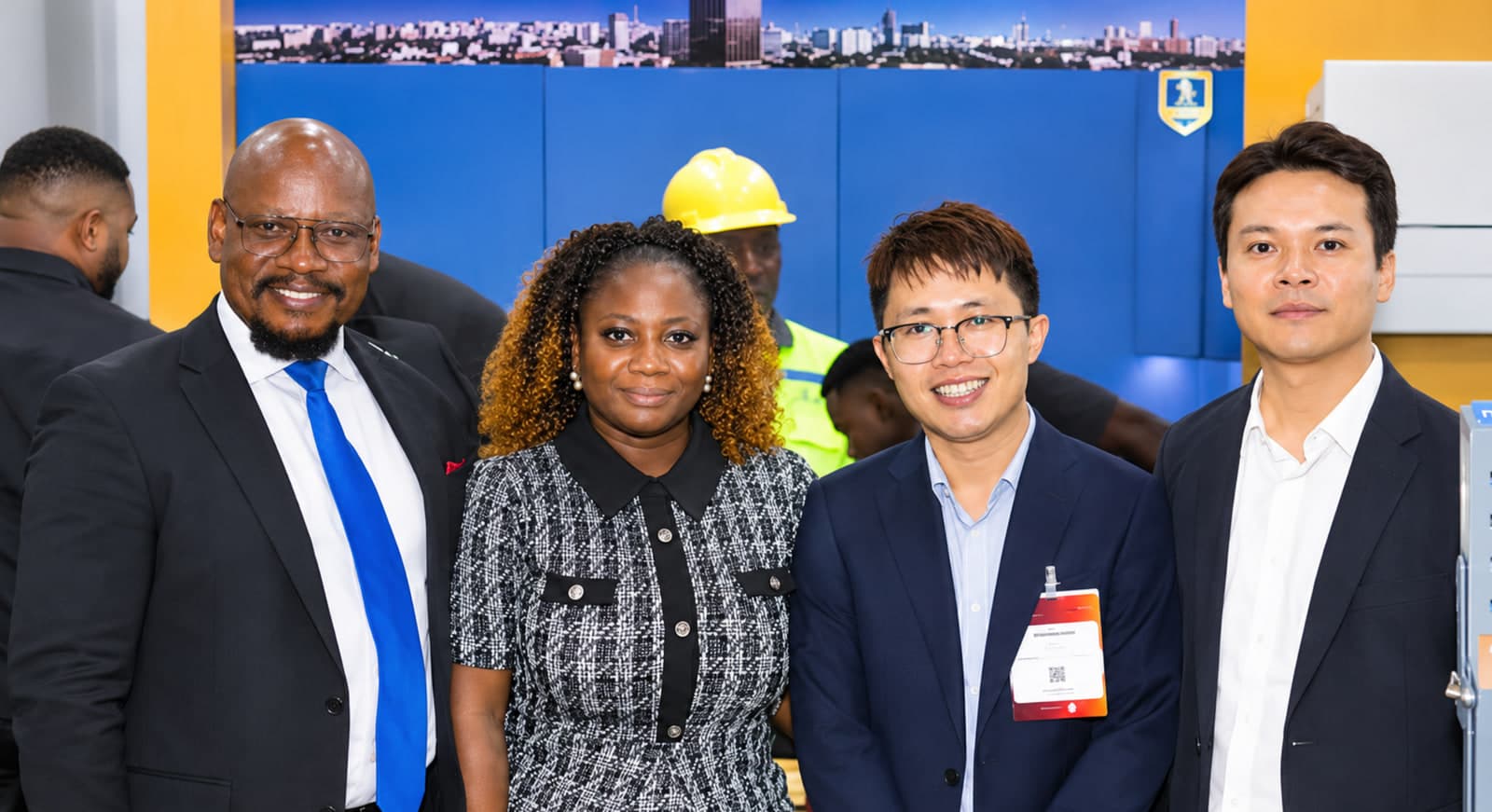
A Nigerian business that runs a generator for several hours a day has to factor fuel into its monthly expenses. For a restaurant, workshop or small factory, that money could otherwise go towards stock, wages or equipment. DYQUE Energy wants businesses to use more solar power and battery storage instead of relying so heavily on petrol and diesel generators. The company brought its residential and commercial systems to Nigeria Energy 2026 in Lagos, where it spoke to businesses looking to reduce their electricity costs.
Samson Akejelu, DYQUE's National Sales Director, said businesses could cut generator spending by between 70% and 80% with a properly designed installation. He said the result would depend on electricity consumption, available roof space and the system selected. It is a sizeable saving, although the figure comes from DYQUE and has not been independently verified.
From small installations to factory sized systems
“Businesses could cut generator spending by between 70% and 80% with a properly designed solar installation. The actual savings depend on electricity consumption, available installation space and the system selected.”
The equipment on display included the All-in-One CUBE Series, D1 Residential, D1 Commercial and commercial and industrial systems. The D1 Commercial range covers inverter capacities from 3kW to 50kW. Its largest model, the D1 50T, has four maximum power point trackers (MPPTs), high-voltage compatibility and expandable battery storage.
Jeremiah Samdi, DYQUE's Technical Support Manager, said customers could add battery capacity as their electricity requirements change. The system also supports solar panel input of up to 200% of its rated inverter capacity. In practical terms, the 50kW model can accommodate up to 100kW of solar panels. For larger operations, DYQUE displayed a 125kW commercial and industrial system paired with 241kWh of battery storage. The CUBE range, with inverters between 5kW and 25kW, is aimed mainly at residential customers. Businesses can connect several units together where they need more capacity.
The price of making the switch
The equipment is only part of the decision. A business also needs to pay for solar panels, batteries, installation and any additional electrical work. For an SME already dealing with rent, wages, stock purchases and fuel expenses, finding that money can be difficult. Even if solar reduces monthly fuel spending, the business needs to be able to afford the installation first. DYQUE says it works with financing partners to offer payment arrangements to customers. However, it has not disclosed the names of those partners or shared details about interest rates, deposits and repayment periods.
Those terms will make a difference to whether the systems are affordable for smaller businesses. The company says it provides lifetime technical assistance and a five-year replacement warranty. It also says it will arrange a replacement if a reported fault is not resolved within 24 hours, subject to the product configuration.
The savings need to add up
A business using a generator for most of the working day has a different electricity bill from one that only needs backup power when the grid goes down. Their solar requirements and installation costs will also differ. A restaurant may need enough battery storage to keep refrigerators running after hours. A workshop with heavy machinery may need a larger installation, while a small retailer could manage with a much smaller system. There is also no guarantee that every business will be able to stop using its generator. Some may still need it during periods of poor sunlight or when demand exceeds the available solar capacity.
DYQUE has not published system prices or provided an example showing how much a typical Nigerian SME could save over a year. That information would give business owners a better way to judge the 70% to 80% savings claim. For now, the company is making its case to businesses that spend heavily on generator fuel. But the decision to buy will depend less on the advertised savings and more on what the installation costs, how it performs and whether the business can recover its investment.