Nigerian solar installers could earn more from equipment sales as Synafare offers up to ₦100 million in financing
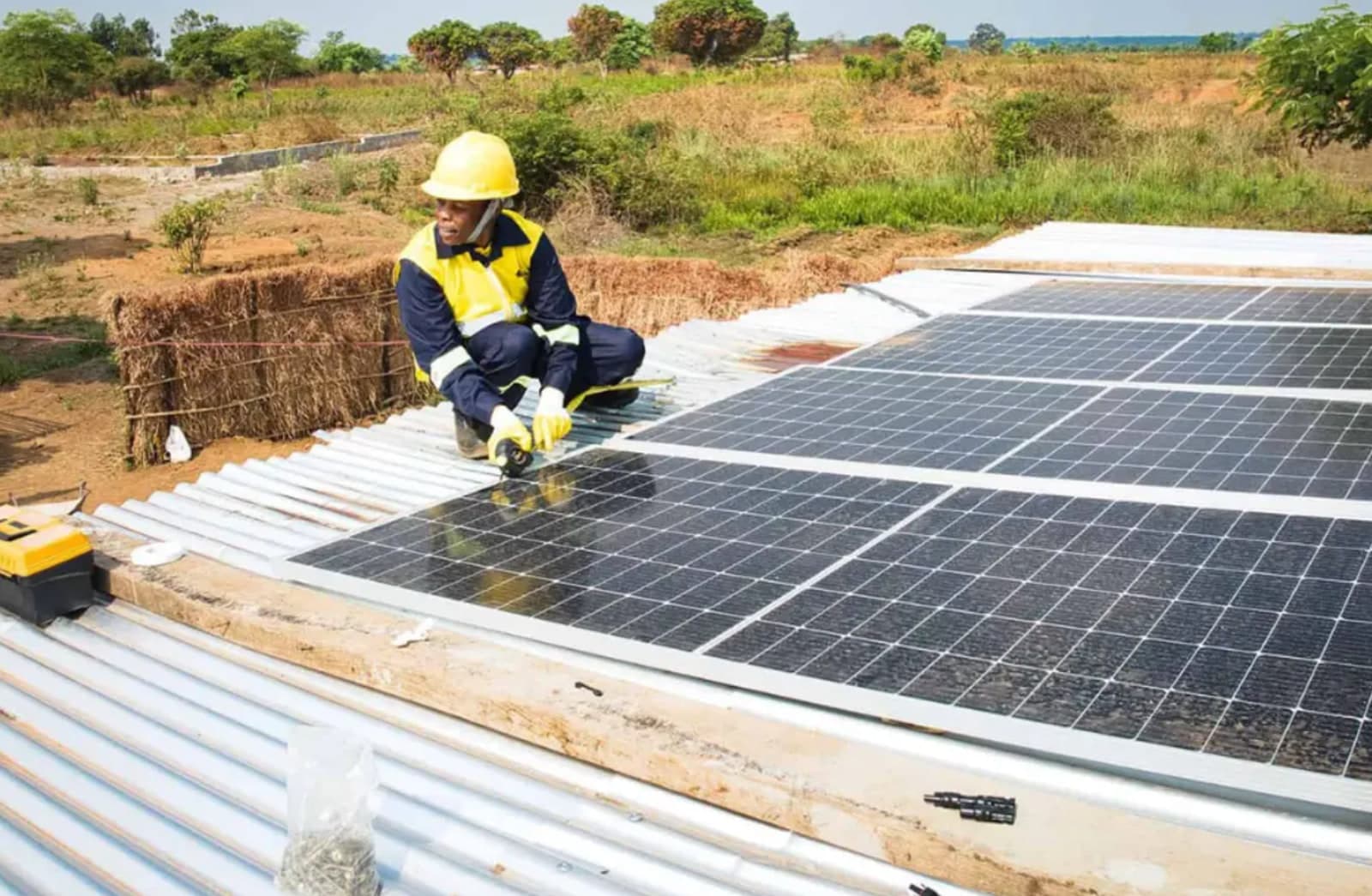
Installing solar systems is not the only way to make money in Nigeria's renewable energy market. Some installers are looking at equipment sales and distribution as another source of income, but moving into that side of the business requires money to buy stock.

Synafare
Installing solar systems is not the only way to make money in Nigeria's renewable energy market. Some installers are looking at equipment sales and distribution as another source of income, but moving into that side of the business requires money to buy stock.<br />
AI-generated summary. It can miss nuance — read the full story above for the complete picture.
Installing solar systems is not the only way to make money in Nigeria's renewable energy market. Some installers are looking at equipment sales and distribution as another source of income, but moving into that side of the business requires money to buy stock. Synafare wants to help them make that move. The Nigerian renewable energy company is targeting 100 solar merchants with financing of up to ₦100 million each. The money is intended to help businesses purchase equipment, manage supply costs and take on more work.
The announcement was made at the company's Solar Roundtable 2.0 in Lagos on 24 October 2026. Two merchants had already received a combined ₦170 million before the event. Financing starts at around ₦10 million, with the amount available to each business determined by its turnover.
Installers are also looking at equipment sales
"Credit doesn't go to businesses just because they exist. Financial institutions want to see predictability, structure and business activity."
A solar installation business usually has to spend money before it gets paid. It needs to source panels, batteries and inverters, arrange delivery and pay the people doing the installation. For a small company, taking on several projects at once can put pressure on its cash flow. Even when customers are available, the business may not have enough money to purchase equipment for all the jobs.
Selling equipment to other installers and customers offers another way to earn money. It can also give businesses access to better supplier prices when they buy in larger quantities. But distribution is not simply a matter of purchasing more stock. Businesses need somewhere to keep the equipment, customers who are willing to buy it and enough cash to manage their day to day expenses. This is the market Synafare is trying to reach with its financing programme.
Financing and equipment prices are part of the offer
Synafare has negotiated lower prices with participating distributors and reduced its monthly financing rate to 3.5% for the event. Its usual monthly rate is between 4% and 5%. Tobi Esho, CEO and co-founder of Synafare, said the company started about two years ago to address the difficulty solar installers face when trying to access finance. It has since expanded its work to connect manufacturers, authorised distributors, installers and project developers.
Esho said lenders want to see that businesses have organised operations and can demonstrate regular commercial activity before extending credit. "Credit doesn't go to businesses just because they exist. Financial institutions want to see predictability, structure and business activity," he said. Synafare says it works with more than 2,000 businesses in the renewable energy sector. Its product categories include inverters, batteries, solar appliances, energy-efficient appliances, electric bikes and tricycles. It also provides logistics services and buy-now-pay-later financing to installers, customers and distributors purchasing products in bulk.
Getting bigger contracts means building a bigger team
The Lagos meeting also brought up a problem that financing cannot solve on its own: having enough skilled people to handle larger projects. Babafemi Isaac, founder and CEO of Kommercial Solar Limited, discussed his company's experience moving from residential installations to larger customers.
He pointed to installation safety, functionality and workmanship as areas businesses need to pay attention to. Larger jobs also require more workers, including trained roofers and other artisans. Chinwe Udo Davies, founder and CEO of Instoller, spoke about staff development and the use of digital tools to manage teams operating in different locations.
She warned that businesses could put their operations at risk by failing to train employees. "The cost of not training your people means your business can go down," she said. Tega Ishaya, a COREN-registered electrical engineer and commercial development associate at Elektron Energy Development Strategies Limited, discussed the demand for solar solutions in communities where electricity is either unavailable or unreliable.
He said businesses needed to understand the difference between serving customers who have no electricity access and those who are connected to the grid but struggle with unreliable supply.
Can merchants turn the financing into more sales?
Synafare's target of 100 merchants comes at a time when Nigerian households and businesses continue to look for alternatives to unreliable electricity. For solar businesses, this creates demand for equipment and installation services. However, having access to financing does not necessarily mean a merchant will sell more products or make a profit. A business taking out a loan still needs to find buyers, manage its stock and collect payments. Those entering distribution will also be competing with established suppliers.
The first two merchants have already received ₦170 million between them. The next measure of the programme will be what the remaining businesses do with the financing and whether it helps them increase sales, handle more installations and build more stable operations. For smaller solar installers, equipment distribution could become an additional source of income. But they will need to get the purchasing, sales and cash flow right before taking on the extra costs.