COP31 deadlock leaves African SMEs facing uncertainty over energy costs
Countries failed to agree on how fossil fuels should feature in the COP31 outcome. For African economies, the debate is closely tied to electricity supply, investment and the cost of building alternatives to coal, oil and gas.
COP31
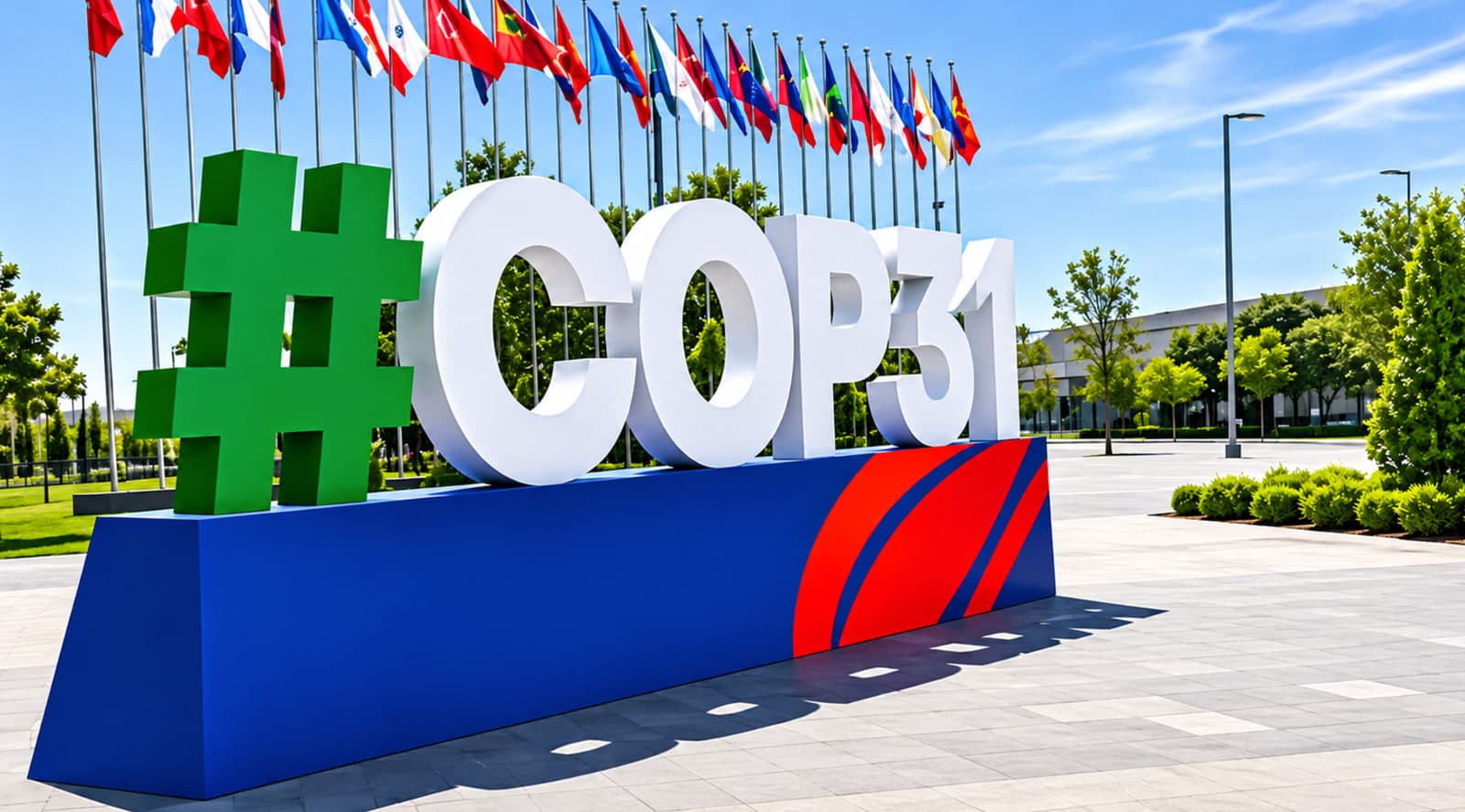
The question of what happens to coal, oil and gas remains unresolved after countries failed to reach a final agreement at COP31 in Türkiye. Negotiations continued beyond the planned closing date, but by Sunday, 22 November, governments were still divided over how directly the final statement should address fossil fuels.
AI-generated summary. It can miss nuance — read the full story above for the complete picture.
The question of what happens to coal, oil and gas remains unresolved after countries failed to reach a final agreement at COP31 in Türkiye. Negotiations continued beyond the planned closing date, but by Sunday, 22 November, governments were still divided over how directly the final statement should address fossil fuels.
An earlier draft included a reference to phasing out fossil fuels. That wording was later removed, drawing criticism from countries that wanted a clear commitment to reducing the use of coal, oil and gas. The disagreement matters to Africa, where the energy debate is tied to more than emissions targets.
Nigeria, Angola and Mozambique have invested heavily in oil and gas. South Africa still gets most of its electricity from coal. These industries provide revenue, support jobs and create business for suppliers, contractors and service companies. At the same time, many African countries do not have enough reliable electricity. Businesses need more power to expand production, mines need energy to operate and manufacturers cannot grow if electricity remains unreliable or too expensive. That is where the climate debate becomes difficult. Countries are being asked to reduce their dependence on fossil fuels while still trying to build the power systems their economies need.
“For small businesses, the energy debate comes down to a practical question: can they afford the electricity they need to keep operating, expand and compete?”
The funding question
For African governments, replacing existing energy sources will require substantial investment. Solar and wind projects need more than panels and turbines. They also need transmission lines, storage facilities and electricity networks that can handle additional supply. Climate finance was another point of disagreement at COP31. Developing countries want wealthier nations to provide more funding to help them adapt to climate change and invest in cleaner energy. The concern is that countries with limited public funds will struggle to pay for the transition while also dealing with other pressing needs, including transport, water, housing and electricity infrastructure.
Businesses are left dealing with the energy reality
For businesses, the immediate concern is less about the wording of a climate agreement and more about the cost and availability of electricity. A manufacturer deciding whether to expand needs to know what power will cost and whether supply will be reliable. A mining company needs enough electricity to keep operations running. Smaller businesses also have to account for the cost of backup power or alternative energy. There is business to be done in renewable energy, battery storage and power infrastructure. But projects need financing, customers and access to the electricity grid before they can become viable businesses.
COP31 has ended without resolving the argument over fossil fuels. African countries now face the same difficult choices they took into the talks: how to secure more electricity, attract investment and grow their economies while reducing emissions. The disagreement in Türkiye has not changed those demands. It has shown how far countries remain from agreeing on how to meet them.