South Africa's first gas-to-power tender fails to secure winning bids
South Africa's first gas-to-power procurement round has ended without awarding any contracts after four bidders failed to demonstrate sufficient guarantees of natural gas supply, delaying government plans to introduce 2,000 megawatts (MW) of new electricity generation capacity.
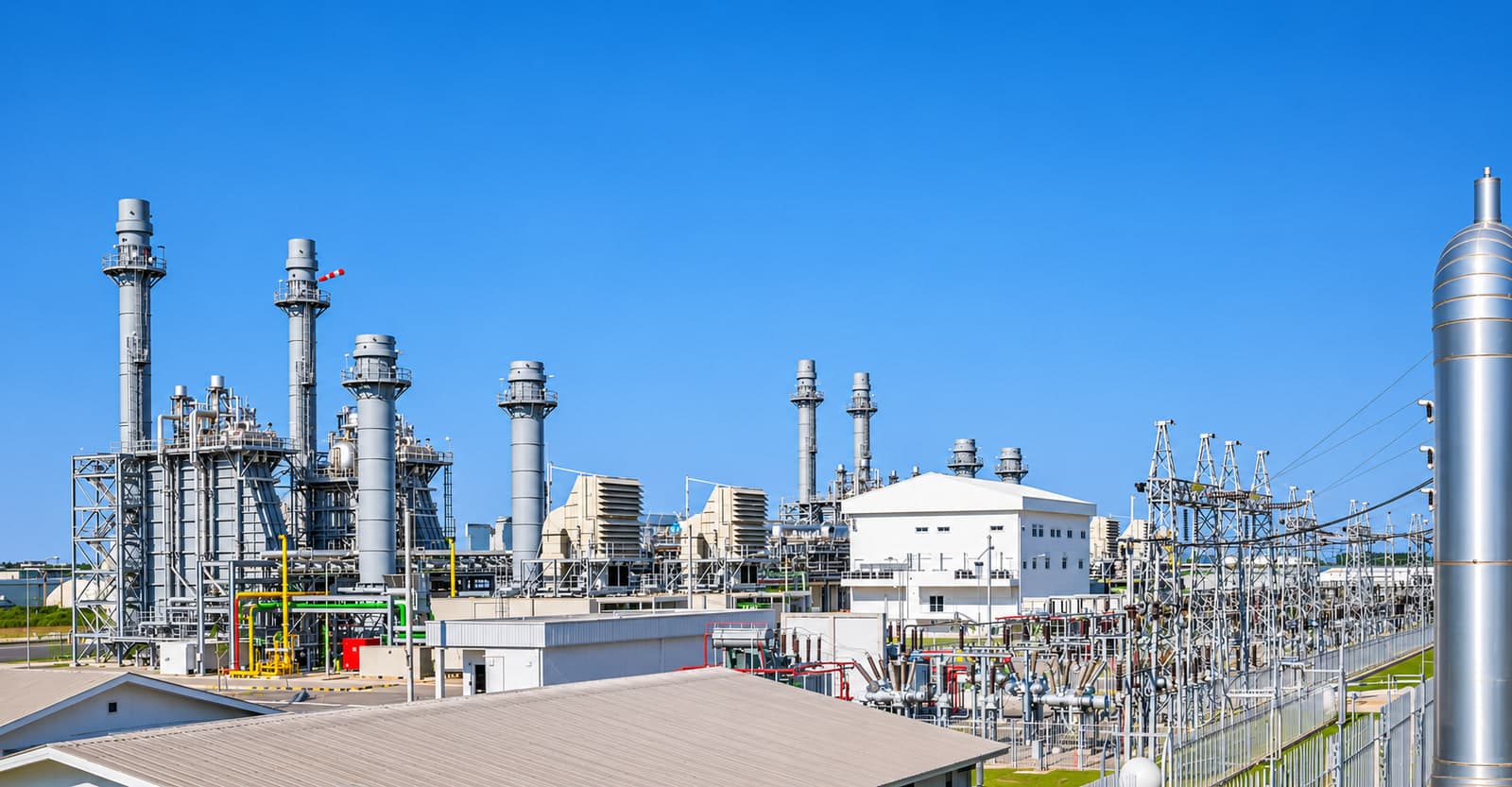
Power Plant
South Africa's first gas-to-power procurement round has ended without awarding any contracts after four bidders failed to demonstrate sufficient guarantees of natural gas supply, delaying government plans to introduce 2,000 megawatts (MW) of new electricity generation capacity.
The Department of Electricity and Energy announced the outcome on 28 October 2026, confirming that none of the proposals met the mandatory requirements under the Gas Independent Power Producer Procurement Programme (GASIPPPP).
The department received four bids on 29 May 2026, offering a combined 2,830 MW of generation capacity. However, the bidders could not provide the long-term fuel supply assurances required to qualify for preferred bidder status.
Gas Supply Remains the Main Obstacle
South Africa imports most of its natural gas from Mozambique and does not have an operational liquefied natural gas (LNG) import terminal. These limitations make it difficult for developers to guarantee the fuel supplies needed to operate new gas-fired power stations over extended periods.
The problem extends beyond electricity generation. South African industrial users also depend on gas for manufacturing and other energy-intensive processes.
Gas deliveries from Mozambique's Pande-Temane fields are expected to end in June 2028, while Sasol's methane-rich gas supplies are projected to run out in June 2030. The approaching deadlines have increased pressure to establish alternative supply arrangements.
Without reliable fuel supplies and the infrastructure to transport gas to power stations, developers face significant commercial risks when committing capital to new generation projects.
Government Considers Revised Procurement Approach
Electricity and Energy Minister Kgosientsho Ramokgopa has maintained that the government will continue pursuing gas-fired electricity generation despite the failed tender.
The department plans to use lessons from the first procurement round to inform a possible revised process, referred to as Bid Window 1.5. Any new tender will require further statutory, governance and procurement approvals.
Government has also acknowledged the need to address infrastructure development, commercial arrangements and coordination between gas suppliers, power producers and other industry participants.
Gas-fired power stations can provide dispatchable electricity, helping balance the grid when wind and solar generation falls. However, the cost and availability of natural gas remain central to whether new projects can proceed.
Industrial Users Face a Separate Supply Deadline
The failed tender leaves South Africa without any newly awarded gas-fired generation capacity under its first dedicated gas-to-power procurement round, despite receiving proposals exceeding the targeted 2,000 MW.
For industrial consumers, the immediate concern is securing alternative supplies before existing gas deliveries decline. For prospective power producers, the challenge is establishing commercially viable fuel arrangements before committing to construction.
The Department of Electricity and Energy said it would communicate further information about the programme's future direction before the end of 2026.