Congo’s CORAF Refinery Moves Into Engineering Phase for Modernisation
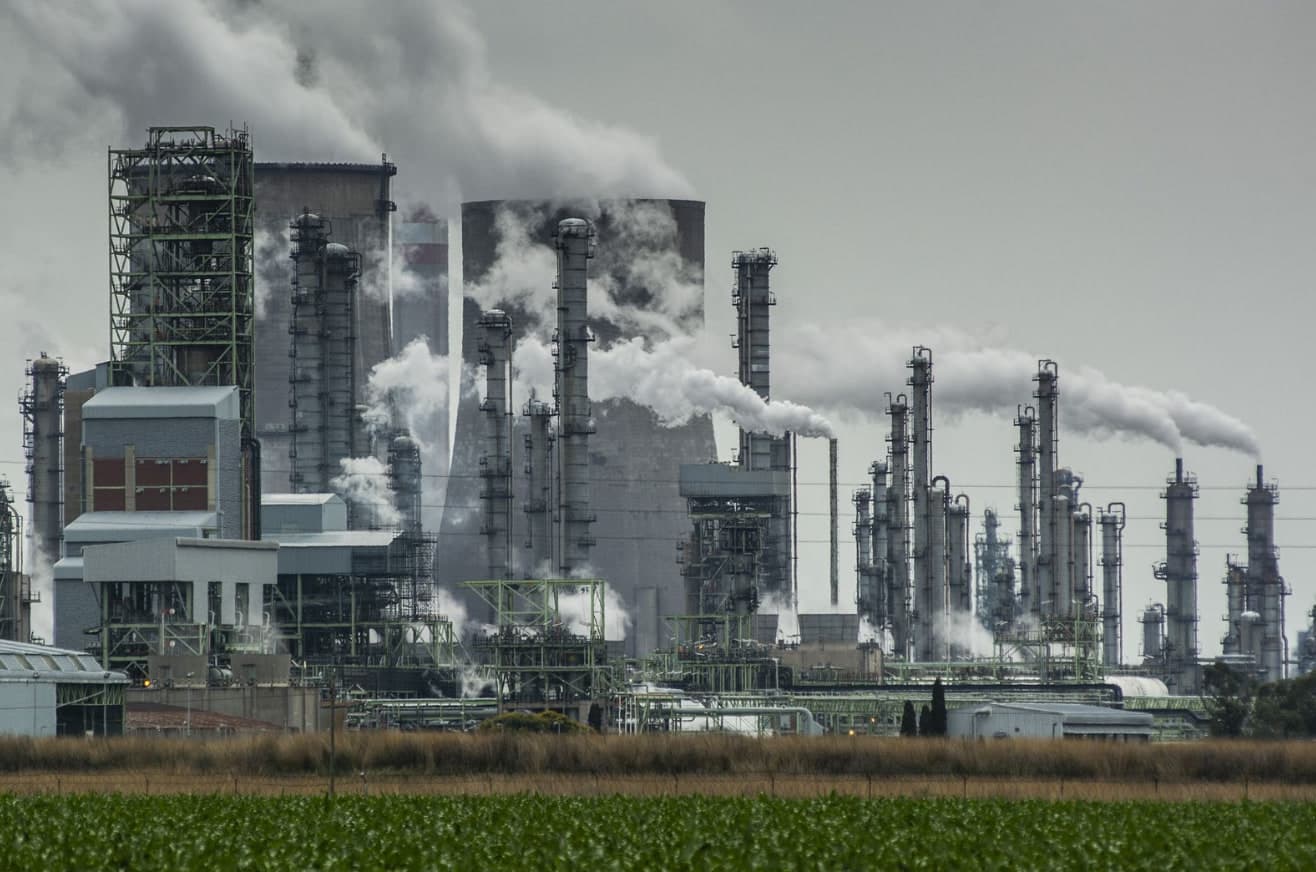
The Republic of Congo has moved ahead with plans to modernise and expand its only oil refinery, Congolaise de Raffinage (CORAF), four years after the project was first announced
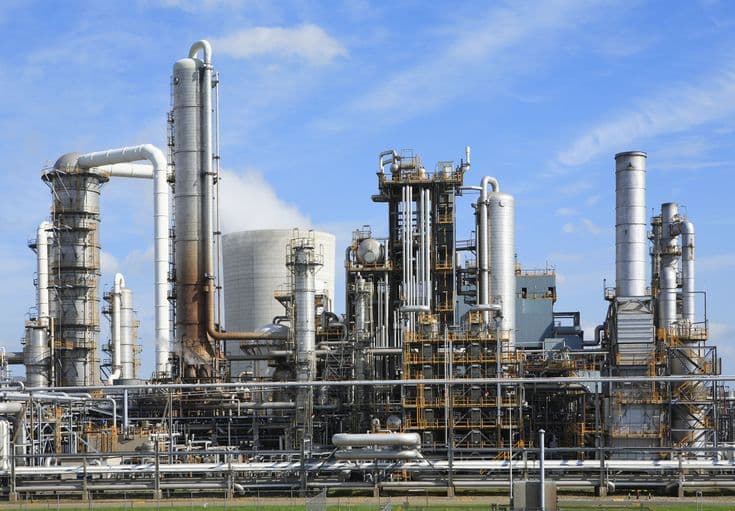
Refinery
The Republic of Congo has moved ahead with plans to modernise and expand its only oil refinery, Congolaise de Raffinage (CORAF), four years after the project was first announced.
SOCAR Downstream, a subsidiary of Azerbaijan’s state-owned oil company SOCAR, has supported the launch of the project’s Pre-FEED (Preliminary Front-End Engineering Design) phase.
SOCAR Downstream Managing Director Emil Alkhasli confirmed the development on October 5. The phase will establish the refinery project’s technical concept, scope and engineering requirements before detailed design work begins.
SOCAR to Manage Engineering Work
The engineering work follows an agreement signed by SOCAR and Société nationale des pétroles du Congo (SNPC) in Baku in April 2024 to modernise and expand CORAF. Under the agreement, SOCAR Downstream is acting as the project management consultant and will oversee the work on behalf of SNPC, which owns the refinery.
CORAF has operated since 1982 and currently has a nominal processing capacity of about 21,000 barrels per day, according to the U.S. Energy Information Administration. The modernisation project is intended to address the refinery’s ageing infrastructure and increase its ability to meet Congo’s domestic fuel demand.
Refinery Supplies 60% of Domestic Demand
SNPC announced in December 2022 that it planned to expand CORAF to meet about 85% of Congo’s domestic fuel requirements. The refinery currently supplies an average of about 60% of the country's annual fuel consumption, according to an International Monetary Fund report published in July 2025.
The IMF has also highlighted the financial burden associated with CORAF. Direct government support for the refinery averaged 1.8% of GDP between 2018 and 2023.
The fund has recommended reassessing the priority given to CORAF because of its ageing infrastructure and limited processing capacity. It also called for a plan to gradually reduce government subsidies.
Financing Remains a Major Hurdle
While the engineering phase is now moving forward, financing remains a major challenge for the project.
SNPC has also been looking for external partners to finance the refinery expansion. Managing Director Maixent Raoul Ominga said in December 2022 that the company was seeking partners and financing for the project.
Congo is pursuing additional refining capacity through a separate project at Fouta, near Pointe-Noire.
Congo Pursues Additional Refining Capacity
The Fouta refinery is being developed with Chinese investment company Beijing Fortune Dingheng Investment at an estimated cost of about $600 million.
The project was initially expected to start operations in 2023. The target was later moved to the end of 2025 and has since been pushed back to 2027. Congo is also exploring options to secure refined fuel from outside the country.
In late June, an SNPC delegation led by Ominga visited Nigeria’s Dangote refinery in Lagos. The discussions focused on the possible supply of refined petroleum products to Congo. No agreement had been reached at the time of the visit, according to reports published in July.
The progress of CORAF’s Pre-FEED phase now gives Congo a clearer technical path for upgrading the refinery, but the project will still need to secure the financing required to move from engineering into construction.