Honda could enter South Africa’s double-cab market with Mitsubishi-based bakkie
Honda could enter South Africa’s double-cab market with Mitsubishi-based bakkie — what it actually costs, who it squeezes out, and the moves an early-stage founder can borrow this quarter.
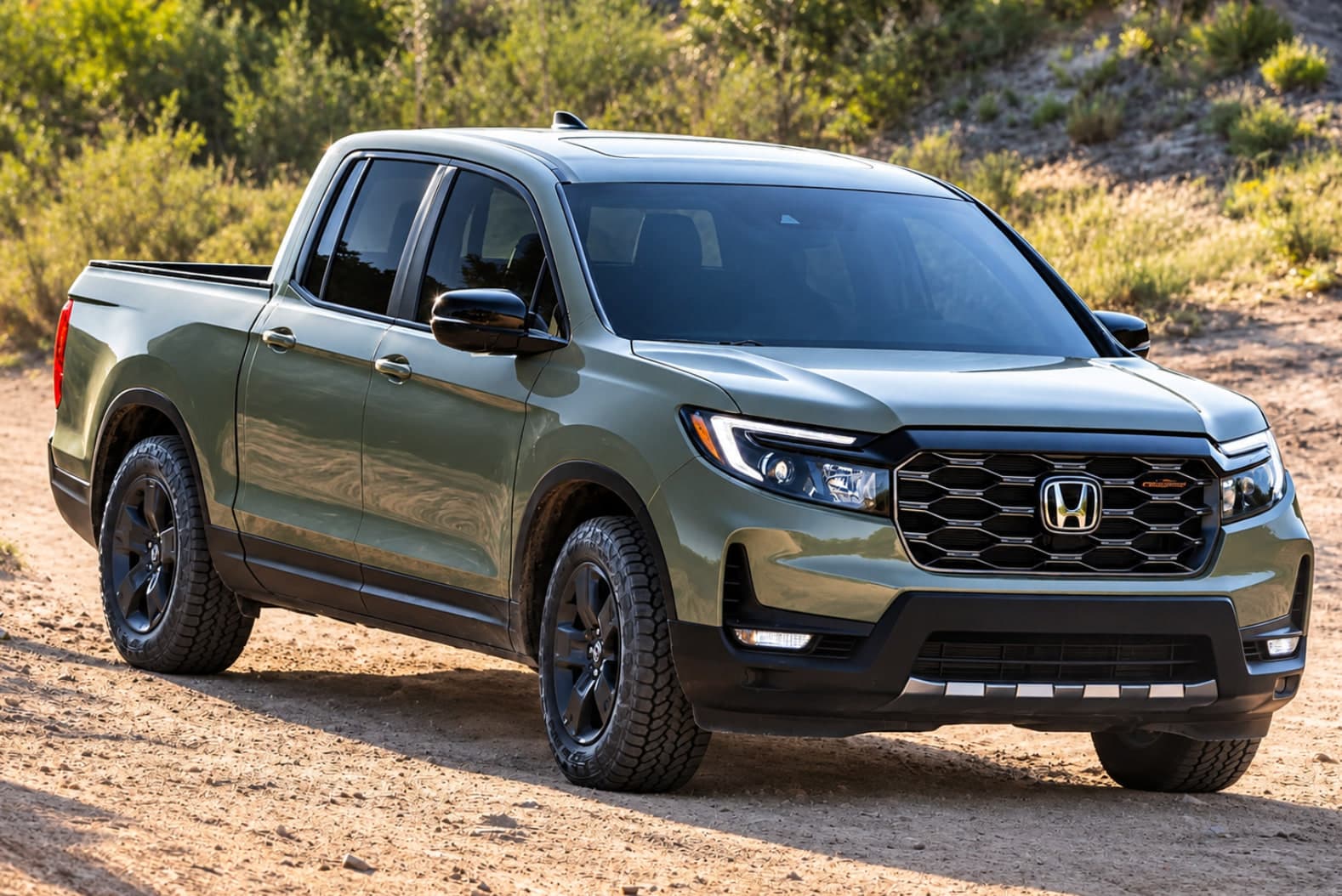
Honda Bakkie
Honda could be preparing to enter the double-cab bakkie market with a model based on the Mitsubishi Triton, according to reports from Japan.
AI-generated summary. It can miss nuance — read the full story above for the complete picture.
Honda could be preparing to enter the double-cab bakkie market with a model based on the Mitsubishi Triton, according to reports from Japan. Production is expected to begin in Thailand in 2028, with the vehicle reportedly planned in right-hand drive. South Africa could be a potential market, but Honda has not confirmed a local launch.
The move would put the Japanese carmaker in a segment where buyers already have plenty of options. The Toyota Hilux, Ford Ranger and Isuzu D-Max remain established choices, while Chinese manufacturers such as GWM, JAC and Foton have been building their presence with competing models. For Honda, the opportunity would be to reach buyers who need a bakkie for work, business or everyday use. But entering the market is one thing. Getting customers to choose a new model over vehicles they already know is another.
Honda is reportedly using the Mitsubishi Triton as its starting point
“If Honda brings the bakkie to South Africa, its price, running costs and parts availability will matter more than the badge on the grille.”
Reports indicate that the proposed bakkie will share its platform and 2.4-litre turbodiesel engine with the Mitsubishi Triton. Using an existing vehicle as the starting point would allow Honda to enter the segment without developing an entirely new bakkie. It could also benefit from Mitsubishi’s existing manufacturing arrangements in Thailand.
Honda already sells the Ridgeline in North America, but that vehicle differs from the conventional ladder-frame bakkies popular in South Africa. A Triton-based model would be closer to the type of vehicle used by farmers, contractors, fleet operators and businesses that need to carry equipment or transport goods. The use of Mitsubishi engineering also raises a question about how Honda would position its version. Buyers would want to know whether it offers different features, equipment or pricing compared with the Triton.
The competition is getting tougher
South Africa’s bakkie market has become more competitive as Chinese brands expand their ranges. Buyers who once focused mainly on the established Japanese and American brands now have more alternatives to consider. For businesses, the decision often comes down to more than the purchase price. Fuel consumption, servicing costs, parts availability, payload capacity and resale value all affect how much a vehicle costs to own over several years.
A bakkie that spends too much time waiting for parts or repairs can disrupt a small business. For a contractor or delivery operator, that downtime can mean lost income. Honda would need to address these concerns if it decides to sell the vehicle locally. Its reputation in the passenger-car market may help attract interest, but commercial buyers will still need to see how the bakkie performs and what it costs to maintain.
Would a Honda bakkie find buyers in South Africa?
There is room for another competitor, but Honda would need to establish where its bakkie fits in the market. If it is priced close to the Mitsubishi Triton, buyers may compare the two directly. If it costs more, Honda would need to explain what justifies the difference. Local warranty terms, dealer coverage and access to replacement parts would also influence purchasing decisions.
Private buyers may be interested in the brand, while businesses and fleet operators would likely pay closer attention to running costs and after-sales support. The challenge is particularly relevant for buyers purchasing several vehicles at once. Even a small difference in fuel consumption or maintenance costs can add up across a fleet.
A South African launch remains unconfirmed
The reported plan for right-hand-drive production makes South Africa a possible market, but there is no confirmed local launch date, pricing or specification list. Honda Motor Southern Africa would still need to establish whether the model fits its local range and whether there is enough demand to justify bringing it here.
For now, the proposed bakkie remains a reported project rather than a confirmed addition to South African showrooms. If it does arrive, its success will depend on practical questions: how much it costs, how it compares with the Triton and its other rivals, and whether Honda can provide the parts and servicing support buyers expect.