Benin Prepares First Oil Cargo After 28-Year Sèmè Shutdown
Benin is preparing to put its first crude oil cargo on the international market in nearly three decades, with 250,000 barrels from the offshore Sèmè field expected to be commercialised in October 2026.
Block 1
Benin is preparing to put its first crude oil cargo on the international market in nearly three decades, with 250,000 barrels from the offshore Sèmè field expected to be commercialised in October 2026.
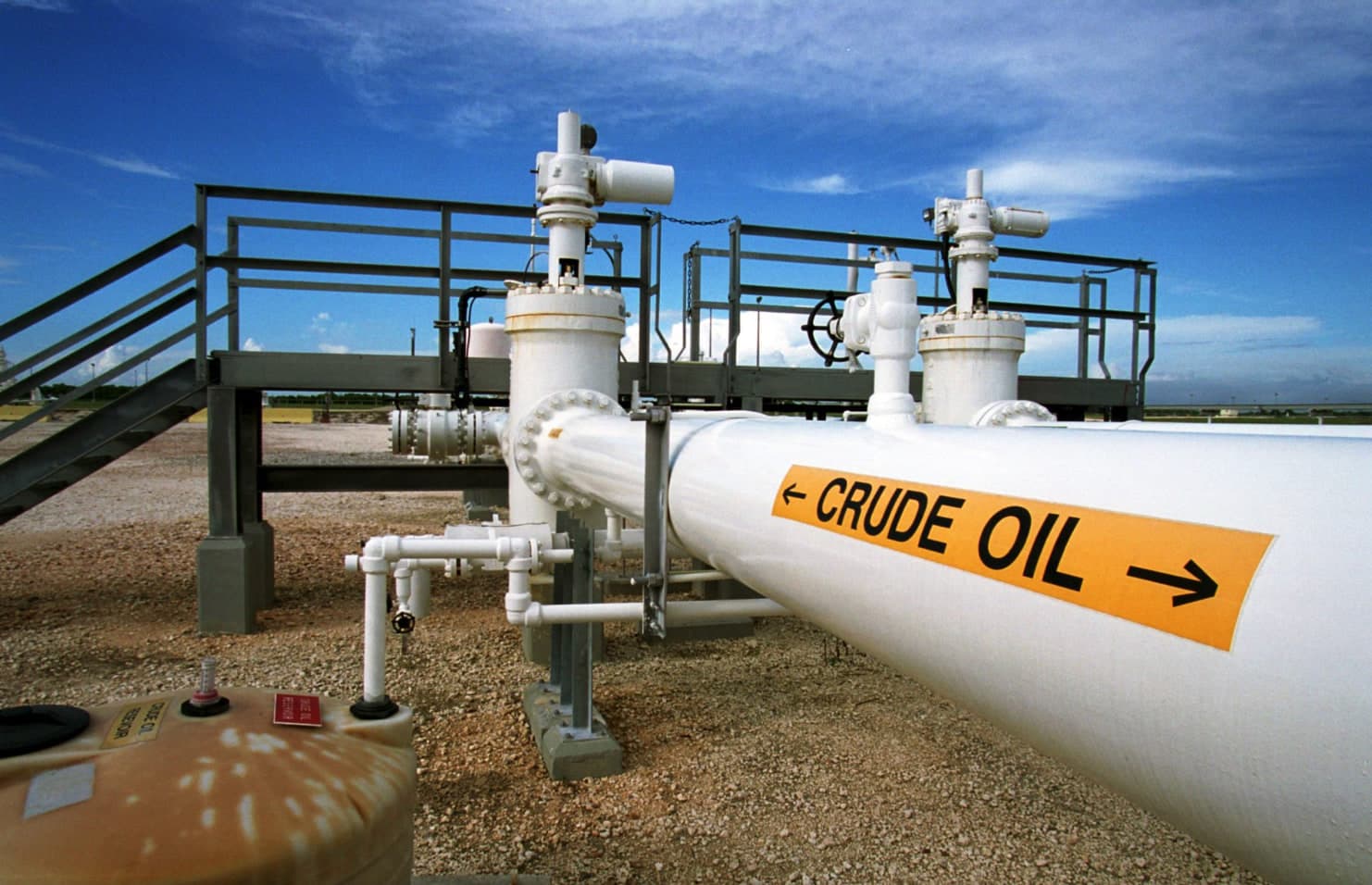
The cargo will come from Block 1, operated by Akrake Petroleum Benin, a subsidiary of Singapore-based Rex International Holding. Production at Sèmè restarted in March 2026 after the field remained inactive since 1998. Current output stands at around 3,000 barrels per day, below the initial target of 5,000 to 6,000 barrels per day.
Sèmè Returns to Production
Sèmè has a long history in Benin's oil industry. Between 1982 and 1998, the field produced about 22 million barrels under Norway's Saga Petroleum before operations stopped as lower oil prices made production less attractive.
Rex International secured Block 1 in December 2023 through a production-sharing contract. Akrake Petroleum Benin owns a 76% interest, while the Beninese government holds 15% and local company Octogone Trading owns the remaining 9%. Covering about 551 square kilometres offshore, Block 1 became the focus of efforts to bring Sèmè back into production.
Redevelopment has taken longer than initially expected. Drilling began in August 2025 but ran into technical difficulties in unstable shale formations. Problems with the first well forced the operator to continue with a second well before production could begin.
Work on the AK-2H horizontal well, which targets the H6 reservoir, was completed in early February 2026. Production followed in March, using the Stella Energy 1 mobile offshore production unit and the Kristina floating storage and offloading vessel.
Production Below Initial Targets
Sèmè is currently producing around 3,000 barrels per day, compared with the initial 5,000–6,000 bpd target for this phase of the project. Output could increase as operations expand.
At the current production rate, a 250,000-barrel cargo represents more than 80 days of production if output remains unchanged. Local reports have not identified a buyer for the first shipment.
Sèmè's proven and probable reserves were estimated at 10.9 million barrels in an independent report published in March 2025.
The planned shipment represents a return to the international crude market after a 28-year production gap. For Akrake, it also provides an early test of the economics of restarting a field that had been inactive for almost three decades.
Costly Restart Puts Pressure on Operator
Restarting Sèmè has also placed financial pressure on Rex International.
In February 2026, Lime Petroleum Holding, the Norwegian company through which Rex controls Akrake Petroleum Benin, said technical complications during drilling had increased costs and delayed production by more than three months. The company said the additional costs had materially affected its financial position and prompted a strategic and financial review.
Those delays pushed the project well beyond its original production schedule. After drilling setbacks and further work to connect the production well to the offshore facilities, Sèmè eventually began producing in March.
Now, Akrake is preparing for its first crude shipment from the restarted field. The October cargo will give the company an opportunity to establish a commercial export operation while it works to increase production from the current 3,000 bpd level.