AI could give Africa’s mini-grids another customer
A mini-grid can have enough electricity to serve more customers but still struggle to sell all of the power it can produce.
AI
A mini-grid can have enough electricity to serve more customers but still struggle to sell all of the power it can produce. That unused capacity is now being tested as a possible source of revenue, with AI computing brought into the mix. The Rockefeller Foundation and Mission 300 Accelerator launched the Emergent Grid Project on 24 September. The first tests will take place in Kenya, Sierra Leone and the Democratic Republic of Congo, with the sites expected to reach communities representing about 85,000 people.
AI-generated summary. It can miss nuance — read the full story above for the complete picture.
A mini-grid can have enough electricity to serve more customers but still struggle to sell all of the power it can produce. That unused capacity is now being tested as a possible source of revenue, with AI computing brought into the mix. The Rockefeller Foundation and Mission 300 Accelerator launched the Emergent Grid Project on 24 September. The first tests will take place in Kenya, Sierra Leone and the Democratic Republic of Congo, with the sites expected to reach communities representing about 85,000 people.
The idea is to use some of the electricity that would otherwise sit idle to run computing equipment. If the numbers work, the mini-grid operator gets another customer. If local electricity demand rises, the computing load can be reduced. It sounds simple. Whether it makes financial sense is what the pilots are there to find out.
There is already electricity going unused
“AI happens to be one possible customer for electricity that is already being generated.”
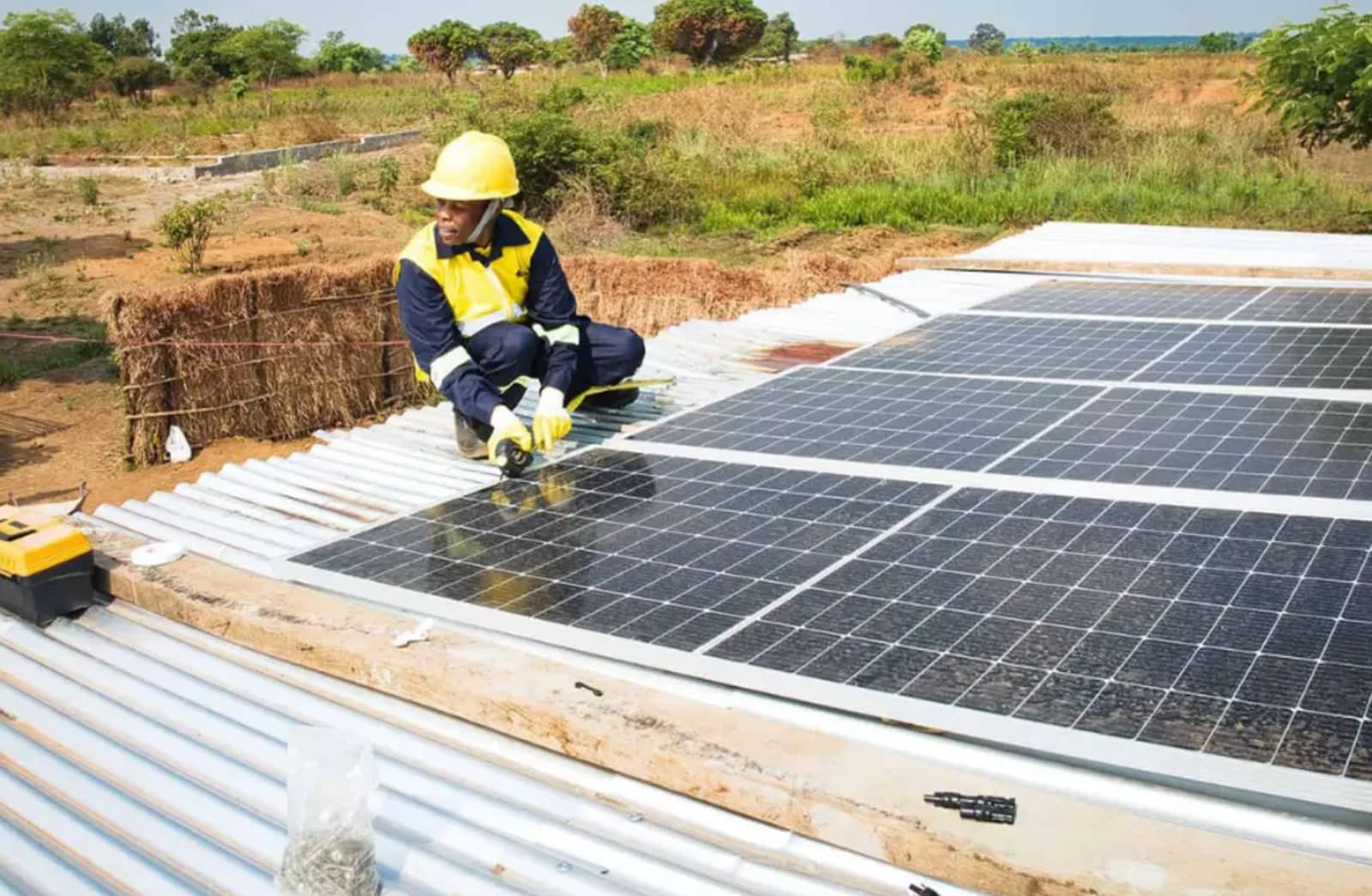
Mini-grids are often built with future demand in mind. A system may have enough solar panels, batteries or other generation capacity to support a growing community, but that growth does not happen overnight. A newly connected household may use very little electricity at first. Small shops and businesses may also have limited demand. That leaves periods when the system can produce more power than customers are using.
For an operator, that is not ideal. The equipment still has to be maintained even when some of its capacity is sitting unused. The Emergent Grid model is based on finding something else that can use that power.
Computing can be switched around
AI workloads are being considered because computing does not necessarily have to run at the same level all day. A computing load can be increased when electricity is available and reduced when local demand goes up. That makes it different from a factory or another large customer that may need a steady supply. The pilots will test whether this flexibility can work alongside local electricity demand. In Kenya, five sites will combine computing with new solar and battery systems. The systems will serve communities of about 50,000 people.
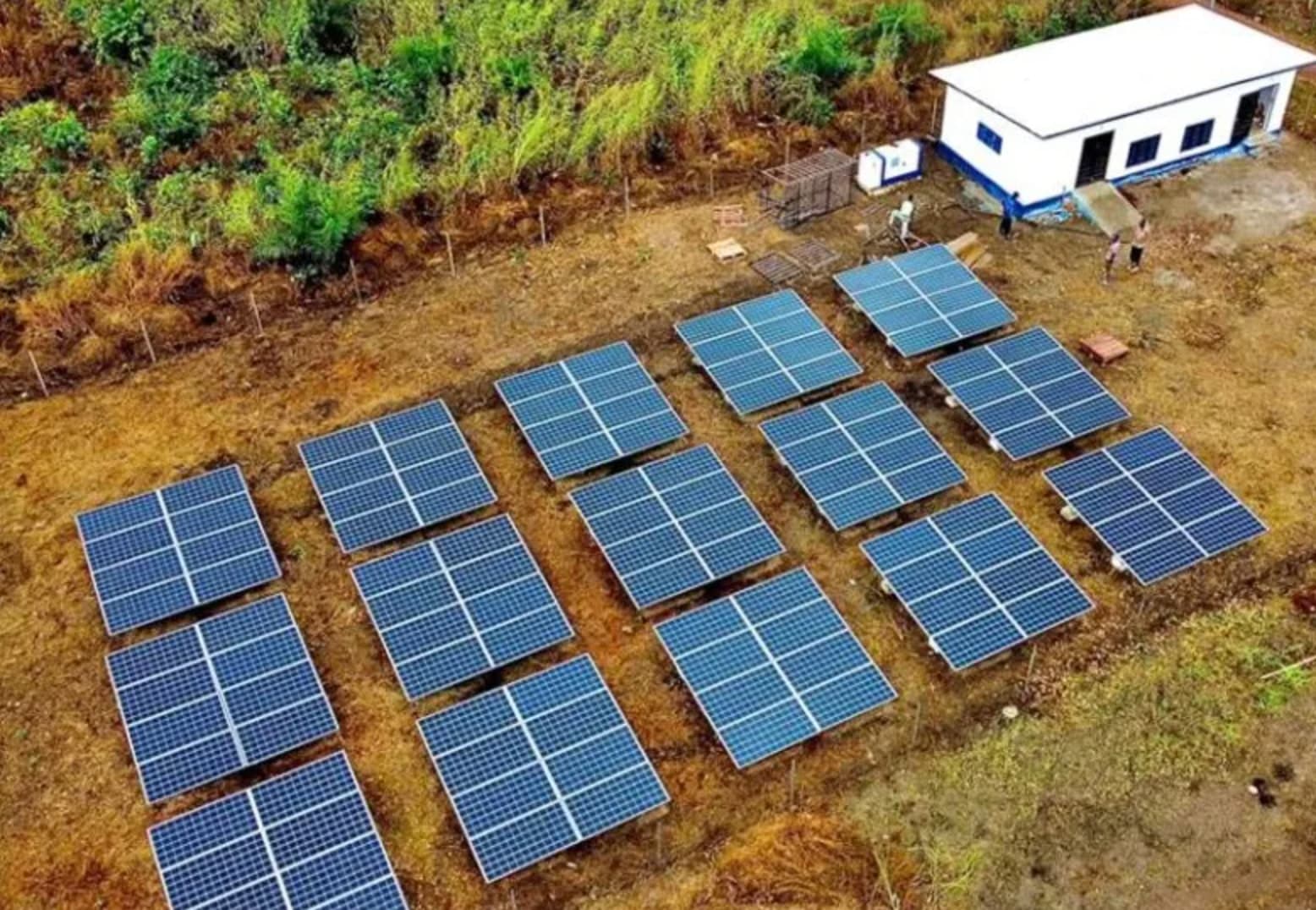
In the DRC, computing equipment will be added to an existing solar plant with spare capacity. The plant already supplies more than 30,000 people, over 350 small and medium-sized businesses and between 30 and 40 social institutions. Three existing rural sites will be used in Sierra Leone.
The electricity cannot be taken away from the community
There is an obvious line the project cannot cross. If a shop, clinic or household needs electricity, an AI workload cannot get priority simply because it is paying for the power. The project says computing loads will therefore be flexible. Households, businesses, schools, health facilities and other essential services will have priority. The tests will also look at electricity prices and reliability. That will be important. A mini-grid operator earning more money from computing is not much use if the people already connected to the system end up paying more.
The financial question
For the operators, this comes down to revenue. If a computing customer pays for electricity during quiet periods, that money could help cover some of the cost of running the mini-grid. It could also make it easier to justify adding more generation or connecting more customers. But there are plenty of costs on the other side. Computing equipment needs to be bought, installed and maintained. It also needs a reliable connection to the internet and someone willing to pay for the computing capacity. The pilots will therefore have to show that the additional revenue is worth the cost of setting up the system.
It is a small experiment inside a much bigger problem
Africa still has a huge gap in access to reliable electricity. Mission 300, led by the World Bank and African Development Bank, aims to connect 300 million people to electricity by 2030. Mini-grids are expected to play a role in reaching communities that are not easily served by national grids. The Emergent Grid Project is looking at one very specific part of that problem. Instead of asking how to build another power plant, it is asking what can be done with electricity from a system that already exists but is not being fully used.
AI happens to be one possible customer. If the tests work, mini-grid operators could have another way to earn money while communities build up their electricity use. If they do not, the results should at least show how much computing demand these systems can realistically support and at what cost.