
Republic of Congo Targets End-2026 Launch for National Data Centre
The Republic of Congo is targeting the end of 2026 to bring its long-delayed national data centre in Brazzaville into operation, as the government works to complete the facility and secure the infrastructure needed to support it.
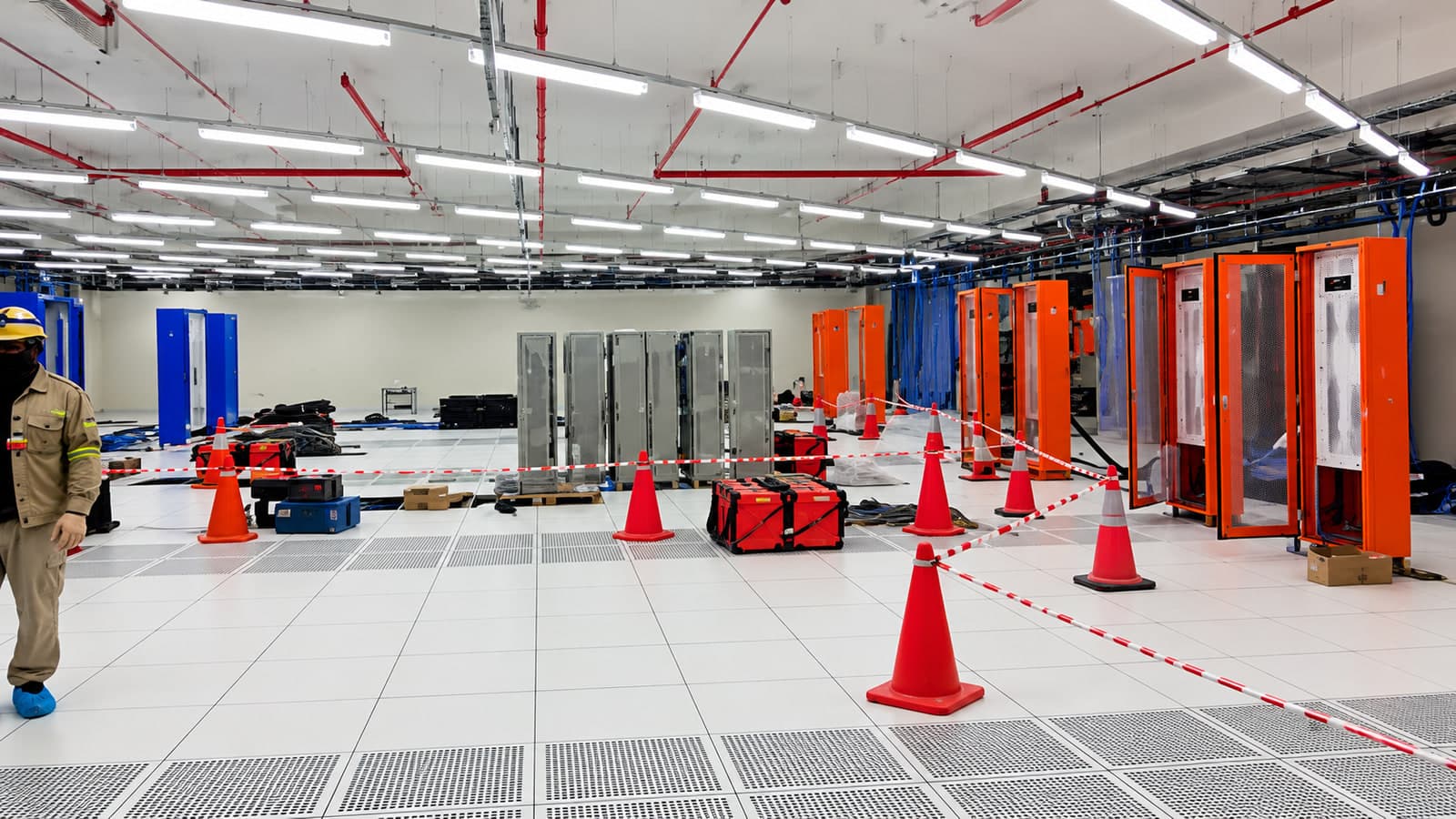
Data centre
The Republic of Congo is targeting the end of 2026 to bring its long-delayed national data centre in Brazzaville into operation, as the government works to complete the facility and secure the infrastructure needed to support it.
Deputy Prime Minister Jean-Jacques Bouya announced the latest timeline on September 23 after inspecting the construction site in Bacongo. The Chinese contractor responsible for the project assured government officials that the remaining works would be completed, according to Congolese authorities.
The project has missed several previous completion dates. Construction began in 2024, with authorities initially expecting delivery before the end of that year when work had passed 60%. By March 2025, completion had moved beyond 80%, leading to a November launch target. Progress was reported at more than 90% by August 2025, but the centre still did not enter service as planned.
National Home for Government Data
The data centre is being built on the former site of the Pan African Postal Union in Bacongo. The three-storey facility, which also includes a basement, will provide infrastructure for storing, hosting and processing government data and digital applications used by public administrations.
The facility is intended to give the government greater control over where public data is stored and processed. The African Development Bank, which is helping finance the project, describes the centre as part of Congo's efforts to strengthen digital sovereignty and local data management.
Congo already has data centres serving individual public institutions, but the Bacongo facility has a broader national role. It is expected to provide shared infrastructure for government systems rather than leaving each institution to manage its own hosting requirements.
The project also includes server rooms, monitoring and control facilities, power systems and cooling infrastructure needed to keep the centre operating continuously.
Funding Delays Slowed the Project
Financing problems contributed to the delays. The project was initially held back while authorities waited for the release of the final funding required to complete the works. In February 2026, African Development Bank President Sidi Ould Tah said the funds needed to finalise the project had been made available. At the time, the bank expected equipment installation to continue in the following weeks, with the centre then expected to become operational by May. That deadline was also missed.
The data centre forms part of Congo's Central Africa Backbone (CAB) project, which has total financing of about €66.55 million. The African Development Bank is providing €52.47 million, while the Congolese government is contributing €14.5 million. About €13.8 million of the project budget is allocated to the construction and operation of the data centre.
Data Centre Linked to Regional Fibre Network
The centre is being developed alongside a major fibre-optic network connecting Congo with neighbouring countries.
The CAB project has supported the deployment of more than 600 kilometres of fibre, including links connecting Congo with Cameroon and the Central African Republic. The network includes 341 kilometres towards Cameroon and 281 kilometres towards the Central African Republic.
That connectivity gives the data centre an important role in the country's digital infrastructure. Fibre links provide the network capacity to move data between government institutions and the centre, while the facility provides local capacity to store and process that information.
The combination is also intended to reduce reliance on overseas data hosting and improve the country's control over sensitive public information.
Power Supply Remains a Key Issue
Electricity is now one of the main technical issues being addressed before the facility can become operational.
Government teams are assessing a combination of electricity from the national grid and solar power to provide a more reliable supply to the data centre. The issue is particularly important because data centres require continuous electricity for servers, cooling and other critical systems.
The government is also developing the Kintélé solar plant, which has more than 19,000 solar panels and an announced capacity of 12 MW. The project is expected to supply several public infrastructure facilities in the capital and could provide additional power resilience for the data centre. The latest government assessment puts the data centre's construction progress at around 82%, according to the Congolese Information Agency.
With the project already having missed several previous deadlines, the end-2026 target will depend on the completion of the remaining technical works, particularly the systems required to provide reliable power and prepare the facility for operation.