Baobab Côte d’Ivoire turns to investors for 20 billion CFA francs
Baobab Côte d’Ivoire is looking to raise 20 billion CFA francs from investors as it seeks more funding for its lending business. The microfinance company opened subscriptions for a five-year bond on 10 September, with the offer closing on 24 September 2026.
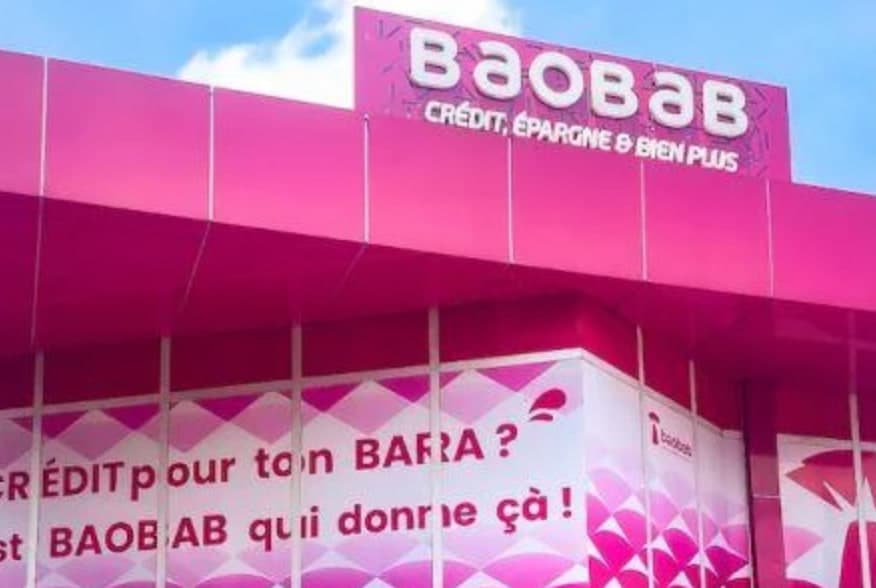
Baobab Pic
Baobab Côte d’Ivoire is looking to raise 20 billion CFA francs from investors as it seeks more funding for its lending business.
The microfinance company opened subscriptions for a five-year bond on 10 September, with the offer closing on 24 September 2026.
Investors will receive an annual return of 6.80%, with the bond due for repayment in 2031.
The money is not being raised for one large project. Baobab plans to use most of it for lending.
About 16 billion CFA francs, or 80% of the issue, has been earmarked for micro, small and medium-sized businesses. A further 2 billion CFA francs is allocated to education and another 2 billion CFA francs to green financing.
AI-generated summary. It can miss nuance — read the full story above for the complete picture.
Baobab Côte d’Ivoire is looking to raise 20 billion CFA francs from investors as it seeks more funding for its lending business. The microfinance company opened subscriptions for a five-year bond on 10 September, with the offer closing on 24 September 2026. Investors will receive an annual return of 6.80%, with the bond due for repayment in 2031. The money is not being raised for one large project. Baobab plans to use most of it for lending.
About 16 billion CFA francs, or 80% of the issue, has been earmarked for micro, small and medium-sized businesses. A further 2 billion CFA francs is allocated to education and another 2 billion CFA francs to green financing. The bond is being issued on the UMOA regional financial market. Baobab says it is the first sustainability linked bond from a microfinance institution on the market.
The lender already has a large customer base
“The bond gives Baobab more capital to make lending decisions. The businesses receiving that money will still have to qualify for the loans.”
Baobab is not starting its lending operation from scratch. At the end of 2025, the company had more than 320,000 customers in Côte d’Ivoire. It operated through 38 branches and more than 330 correspondents. Its total assets stood at 238.4 billion CFA francs, while net income reached 10.7 billion CFA francs for the year. The new bond is another source of funding for that business. For Baobab, raising money from investors also means taking on a fixed financing cost. The company will pay 6.80% a year on the bond. It then has to lend that money at rates that cover the cost of the funds, its operating expenses and loans that are not repaid.
Most of the money is going to smaller companies
Baobab has specified that 80% of the proceeds will be used to finance MSMEs. The company also plans to focus some of its lending on women-owned businesses, including those operating in agriculture, commerce and rural areas. That puts the bond directly alongside the part of Baobab's business that deals with smaller borrowers. For these businesses, the loan itself will matter more than the bond structure. A shop owner, trader or small company will want to know how much it can borrow, what the interest and fees are, what security is required and how long it has to repay. The bond does not change those lending decisions. It gives Baobab more capital to make them.
IFC is backing the transaction
The International Finance Corporation (IFC) is an anchor investor in the bond. The IFC has previously worked with Baobab on financing arrangements designed to increase lending to SMEs and women-owned businesses in several African markets, including Côte d’Ivoire. The new bond has been structured as a sustainability linked bond, which ties the financing to specific targets rather than treating it as an ordinary corporate borrowing. Baobab will have to track the targets attached to the structure and report on its progress.
The next step is getting the money out
Baobab still has to complete the fundraising. If the company raises the full 20 billion CFA francs, 16 billion CFA francs will be available for its MSME lending programme. The rest will be split between education and green financing. For Baobab, the transaction adds another source of funding. For small businesses, the effect will only become clear when that money starts showing up in loan books. The questions are fairly straightforward: how much will businesses be able to borrow, what will the loans cost and how many companies will actually get the money? Those figures will tell more about the deal than the size of the bond itself.