Madica puts $1 million into five African startups as it expands into Algeria and Cameroon
Madica has invested $200,000 each in five African startups, taking its bets into Algeria and Cameroon for the first time. The companies are working in areas including HR software, digital payments, chip design and recycling.
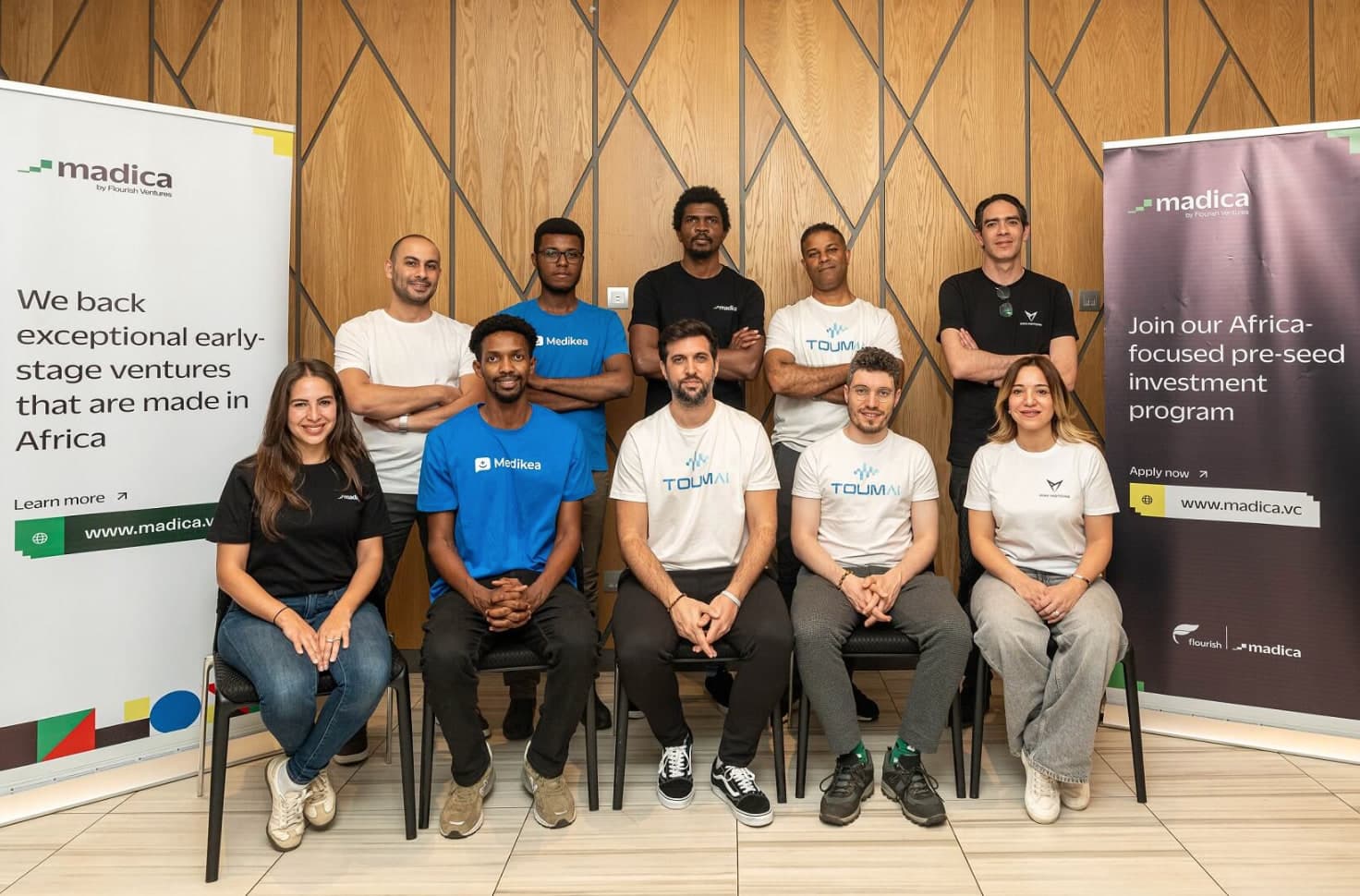
Medica Pic
Madica has invested $200,000 each in five African startups, taking its bets into Algeria and Cameroon for the first time.
The companies are working in areas including HR software, digital payments, chip design and recycling. Three of the startups are in North and Central Africa, while the other two are in Nigeria and Egypt.
The new investments bring Madica's portfolio to 18 companies across 10 African markets. The programme has invested $1.6 million so far in 2026, including $600,000 invested in three startups in April.
AI-generated summary. It can miss nuance — read the full story above for the complete picture.
Madica has invested $200,000 each in five African startups, taking its bets into Algeria and Cameroon for the first time. The companies are working in areas including HR software, digital payments, chip design and recycling. Three of the startups are in North and Central Africa, while the other two are in Nigeria and Egypt.
The new investments bring Madica's portfolio to 18 companies across 10 African markets. The programme has invested $1.6 million so far in 2026, including $600,000 invested in three startups in April. Madica is a pre-seed programme backed by Flourish Ventures. Its focus is on companies that are still early in their development, particularly founders operating outside Africa's biggest venture capital markets. That is one reason the Algeria and Cameroon deals are notable. Neither country regularly appears alongside Nigeria, Kenya, South Africa and Egypt when major African startup funding deals are announced.
The companies Madica is backing
“$200,000 is meaningful money for a young startup, but it is not enough to fund a company through several years of growth.”
The five startups have little in common apart from being early-stage businesses that Madica believes can grow. In Algeria, Talenteo sells HR software to medium-sized and larger companies. Founder Louai Djaffer is targeting businesses across Francophone Africa rather than treating Algeria as the company's entire market. In Cameroon, Paysika provides virtual and physical payment cards to consumers and small businesses. Founders Roger Nengwe and Stezen Bisselou are building the company for the Central African market.
Nigeria's ChipMango is in a more specialised field. Founded by Ola Fadiran and Jovan Andjelich, the company works on chip design, engineering training and edge-AI products. The company had already raised $1.9 million in seed funding in September in a round led by Atlantica Ventures. Madica's $200,000 investment forms part of that wider financing. Egypt has two companies in the group. Delta Oil, founded by Serag Moussa, links collectors of used cooking oil with international buyers that use it as feedstock for renewable fuels.
Bekia, founded by Alaa Afifi, pays households and businesses for recyclable waste and sells the material to industrial customers. So while the five companies are being funded through the same programme, they are tackling very different markets from payroll and payments to waste and semiconductor technology.
Why Madica is going into smaller funding markets
Getting investment into a startup is difficult anywhere in Africa. It can be harder in countries where there are fewer venture investors and less international attention. For an investor, the problem works in reverse. It is harder to find companies in markets where the investment team has few existing contacts. Madica says it deals with that by taking applications directly from founders and spending time building relationships in countries where it wants to invest.
Talenteo came through one of those local connections. Someone in Algeria who knew the company introduced it to Madica. The investment programme is also looking at countries where it has not yet written a cheque. Madica's head, Emmanuel Adegboye, was in Dakar this week looking at Senegal's startup market. The approach means Madica does not need a country to already have a large venture-capital industry before it starts looking for companies there.
$200,000 is useful, but it goes quickly
For a very young startup, $200,000 is meaningful money. It can cover salaries, product development, sales and other basic costs while the founders try to get the business to the next stage. But it is not enough to fund a company through several years of growth. Madica says it has increasingly started co-investing because it found that its $200,000 cheque alone was often not enough to get a startup from one funding round to the next. That is particularly important for African startups, where raising the next round can take time.
The latest investments therefore come with more than just the money. Each company gets 18 months of support, including mentoring, executive coaching, trips to other markets and access to Madica's investor network. For a founder who has raised a first institutional cheque, those introductions can be as useful as the funding itself when the company starts looking for its next investors. Madica's portfolio now covers 10 countries. Its latest deals suggest that it intends to keep looking beyond the markets that already attract most of Africa's startup capital. For founders in places such as Algeria and Cameroon, that gives them another investor to approach without having to build their entire business around the four African markets that usually dominate venture funding.