African solar companies are finding that expansion comes with a hefty price tag
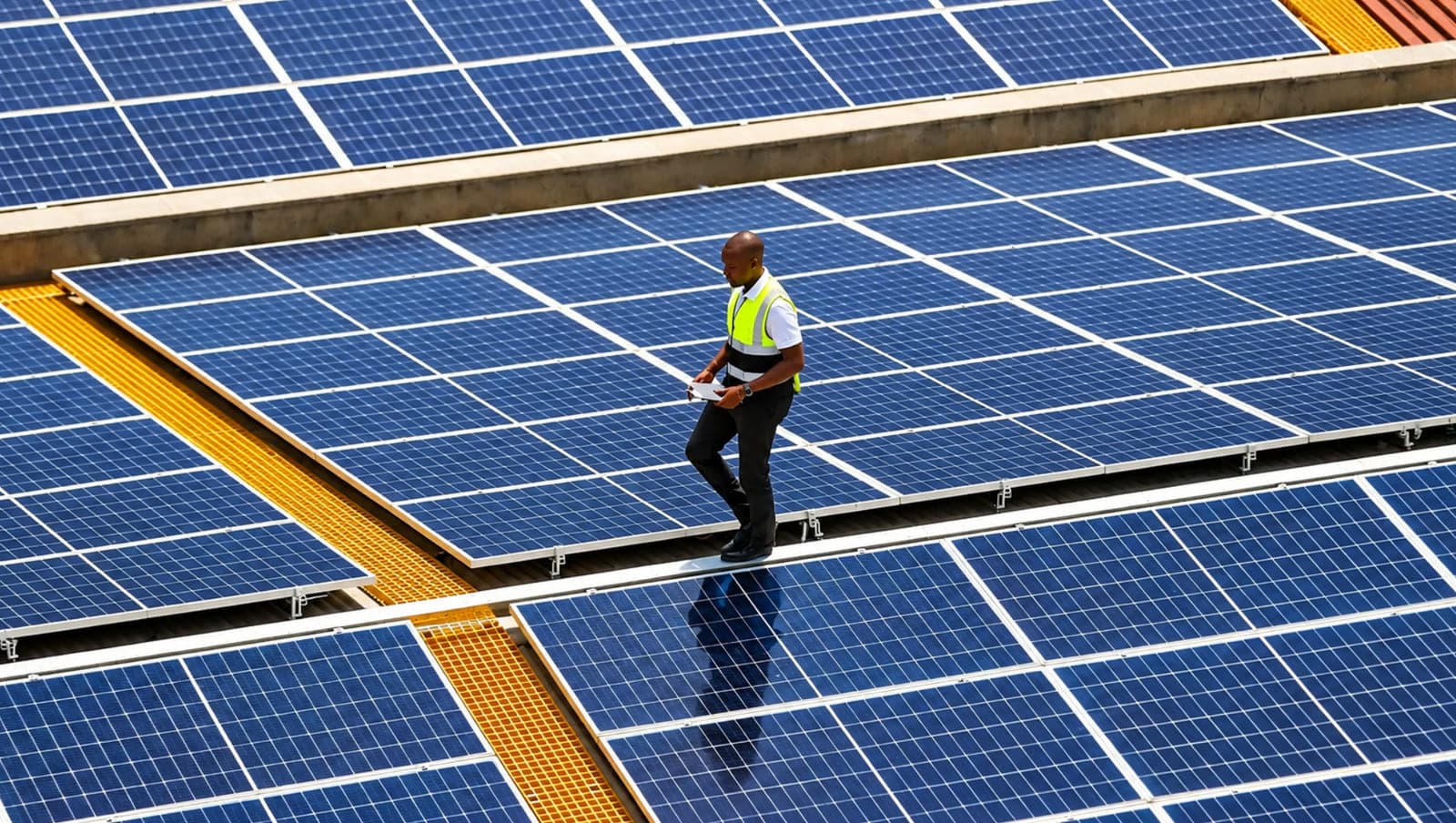
Winning a solar installation contract is only the beginning for companies looking to grow across Africa. Before the first panel is installed, someone has to pay for the equipment, transport, technicians and everything else that goes into getting a project running.
Solar
Winning a solar installation contract is only the beginning for companies looking to grow across Africa. Before the first panel is installed, someone has to pay for the equipment, transport, technicians and everything else that goes into getting a project running.
AI-generated summary. It can miss nuance — read the full story above for the complete picture.
Winning a solar installation contract is only the beginning for companies looking to grow across Africa. Before the first panel is installed, someone has to pay for the equipment, transport, technicians and everything else that goes into getting a project running. For a solar developer working in several countries, those costs can add up quickly.
A company may have customers in Uganda, Zambia or Kenya, but it cannot use the same suppliers, contractors and operating arrangements everywhere. It has to build relationships in each market, understand local requirements and find enough money to keep projects moving. This is where expansion becomes difficult. Some companies have business coming in but do not have enough working capital to take on all the projects they could potentially deliver.
The cost starts before installation
"A company may have customers in Uganda, Zambia or Kenya, but it cannot use the same suppliers, contractors and operating arrangements everywhere."
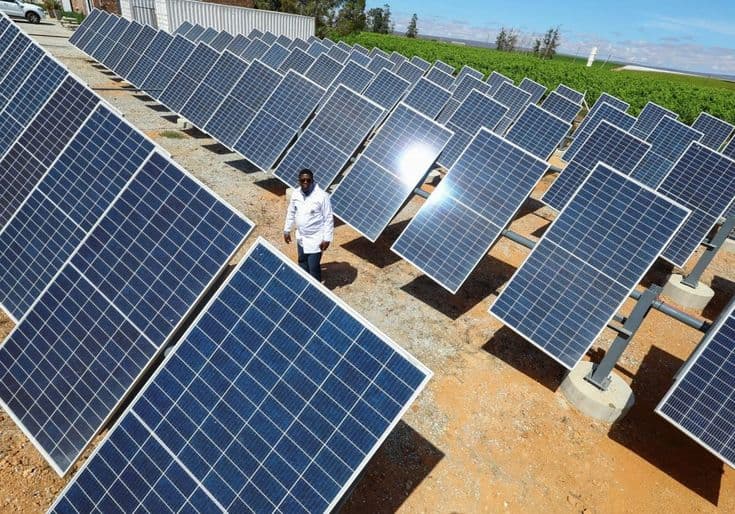
Solar equipment is expensive, particularly when developers are importing panels, batteries and inverters. There are also installation teams to pay, transport to arrange and maintenance agreements to put in place. These expenses are usually incurred before the customer starts paying for the system. The problem is more noticeable for companies that lease equipment to businesses. Instead of charging the customer the full installation cost upfront, the developer recovers its investment through payments over an agreed period. That arrangement makes solar more accessible to customers, but it leaves the developer carrying the cost for longer. If several installations are running at the same time, the company needs enough cash to pay for new projects while waiting for income from existing ones.
Dollar-priced equipment and local-currency income
There is another complication for companies operating across borders. Solar panels, batteries and inverters are often bought from international suppliers and priced in dollars. The businesses using those systems, however, generally pay their bills in local currency. A weaker local currency can make imported equipment more expensive. It can also increase the cost of repaying a loan taken in dollars.
This is a particular concern for developers whose customers pay monthly. Their income does not automatically increase when the cost of equipment or foreign borrowing goes up. South African company Spark Energy Services secured an R80 million credit facility, worth approximately $5 million, from Developing World Markets in September 2026 to finance commercial and industrial solar projects.
The facility is denominated in rand, which matches the currency of the South African projects it supports. This avoids some of the currency mismatch associated with borrowing in dollars and collecting payments in rand.
Finding finance for smaller installations
Large solar farms tend to attract attention from major investors and lenders. Smaller commercial installations are a different proposition. A developer may be financing solar systems for a factory, a warehouse and several retail businesses at the same time. Each project has its own costs, payment arrangements and installation schedule.
Financing these projects can be difficult, particularly for companies without a long borrowing history or substantial assets. Odyssey Energy Solutions raised $74 million in September 2026, made up of $27 million in equity and $47 million in debt. The funding will support distributed renewable energy businesses in emerging markets, including Africa. Its financing model addresses a part of the market where smaller energy companies need capital to buy equipment and complete projects before they start collecting payments. For these developers, access to funding can determine how many installations they can handle at once.
A new market brings a new set of expenses
Expanding into another African country also means dealing with business conditions that may be quite different from those at home. A company entering Uganda or Zambia needs to understand local electricity rules, import costs and tax arrangements. It must also find reliable contractors and establish relationships with potential customers.
Solarise Africa is one company looking to grow beyond its existing markets. It secured a €1 million grant from EEP Africa, matched by another €1 million in co-financing from the company itself. The funding supports a 24 month programme targeting 3MW of renewable energy capacity in Uganda and Zambia. Using grant funding alongside its own capital gives Solarise Africa another way to finance the expansion without relying entirely on commercial loans.
Getting the contract is not the same as getting paid
Lenders are interested in more than the number of customers a solar company has signed up. They want to know whether those customers can pay, how long it will take to recover the installation costs and whether the business can meet its loan repayments. This is particularly important when developers own the equipment and charge customers for using it.
A factory may agree to pay for solar power over several years, but the developer still needs money for maintenance, replacement parts and other installations during that period. Late payments can put pressure on the business, especially when it has borrowed money to finance the original project. For companies expanding into new countries, managing these payments becomes another part of running the operation.
Growth needs more than a pipeline of customers
There is a sizeable market for solar among African businesses that want to reduce their electricity costs and have greater control over their power supply. But developers need to be careful about how quickly they take on new projects. Every installation uses cash, and every new market brings additional operating expenses.
The financing available to these companies needs to reflect how they earn their money. Short-term working capital, local currency loans and project finance can all play a part. For solar developers, the challenge is not just winning the next contract. It is having enough money to complete it, maintain the system and continue paying for the next installation while customers settle their accounts.