Africa’s car industry is starting to deal with a technology problem
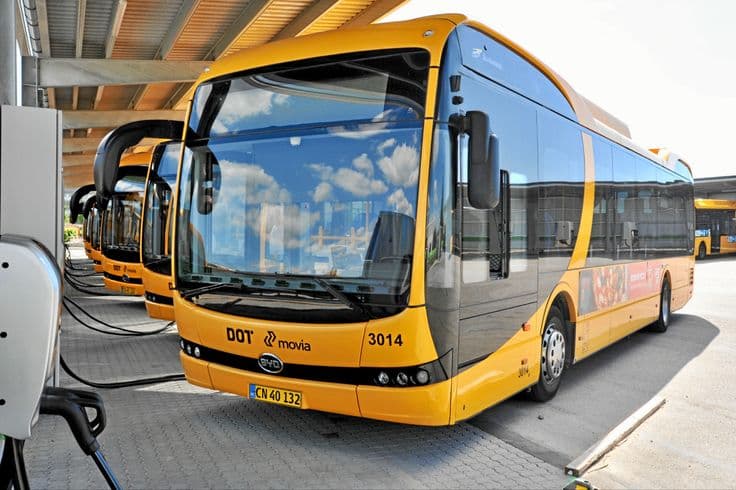
Africa has no shortage of plans to build more cars. The harder part may be keeping up with what is being put inside them. Newer vehicles are arriving with more electronic control units, sensors, software and battery technology.
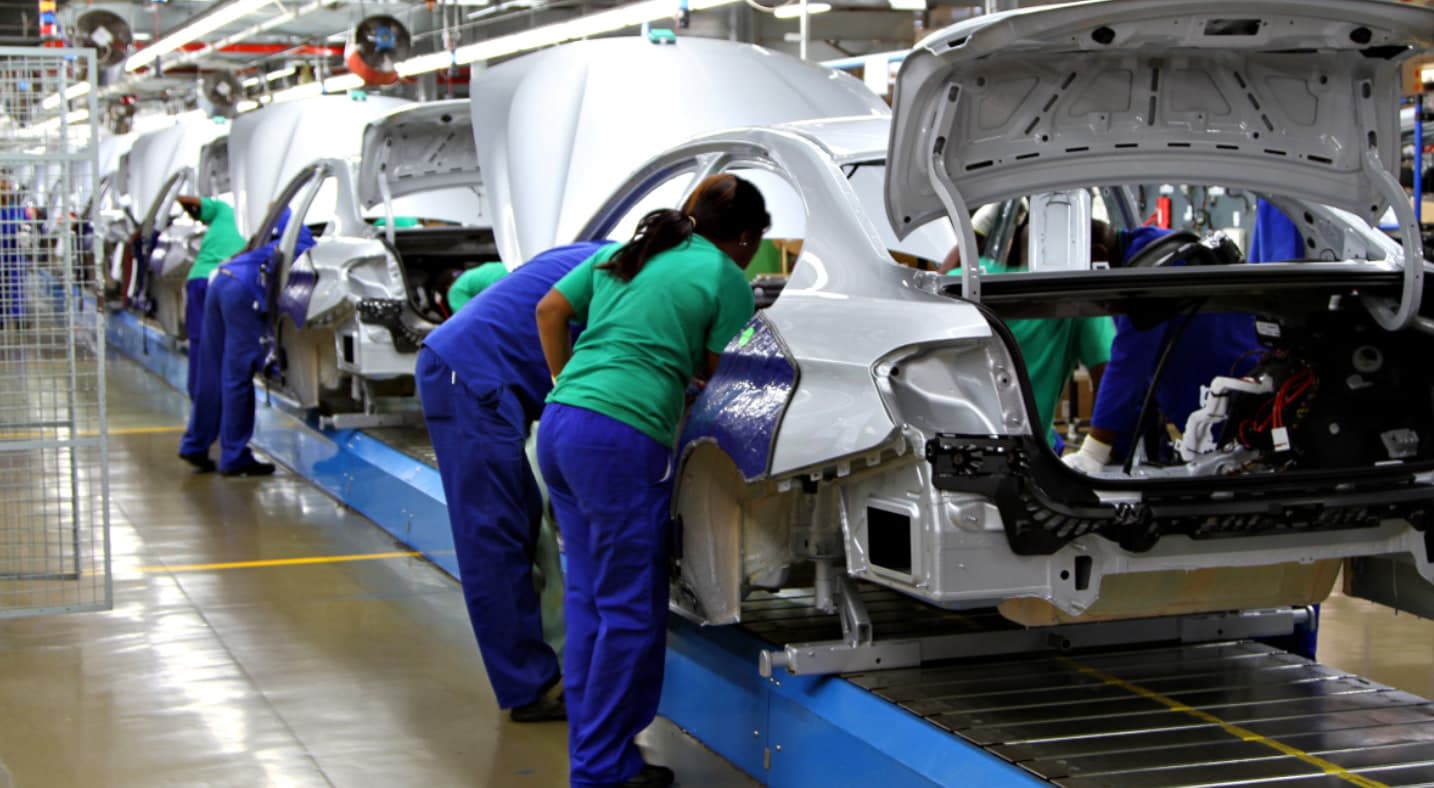
Automotive Industry Pic
Africa has no shortage of plans to build more cars. The harder part may be keeping up with what is being put inside them. Newer vehicles are arriving with more electronic control units, sensors, software and battery technology. Electric vehicles add another layer, with battery management systems and charging equipment becoming part of the automotive supply chain.
AI-generated summary. It can miss nuance — read the full story above for the complete picture.
Africa has no shortage of plans to build more cars. The harder part may be keeping up with what is being put inside them. Newer vehicles are arriving with more electronic control units, sensors, software and battery technology. Electric vehicles add another layer, with battery management systems and charging equipment becoming part of the automotive supply chain.
For manufacturers, this means finding suppliers and people with skills that were not as important when the industry was mostly dealing with engines, gearboxes and mechanical components. For workshops, it means learning how to fix vehicles that increasingly depend on computers and software. And for technology companies, it opens up a part of the automotive market that was once largely out of reach.
The chip is only one part of the problem
“The question is whether African companies will simply service and import these technologies, or start building products and services around them.”
It is easy to turn this into a story about semiconductors. Cars need chips, and the global motor industry has already experienced what happens when semiconductor supply is disrupted. But Africa's immediate challenge is bigger than whether it can manufacture those chips. Most African countries are nowhere near the scale required to compete with established semiconductor manufacturing centres. There are other parts of the chain that could make more sense.
A company can build software for a fleet without manufacturing the processor inside the vehicle. It can develop battery diagnostic tools without producing the battery cells. It can build charging-management software without manufacturing the charging hardware. Those are less glamorous parts of the technology story, but they are businesses that can actually operate in local markets.
Ethiopia is looking at what happens after the cars arrive
That issue came up this week at the Nordic-Africa EV Summit in Addis Ababa. Ethiopia's Transport and Logistics Minister Alemu Sime called for African countries to build engineering and software capabilities alongside electric-vehicle manufacturing. He also highlighted battery management, recycling and second-life batteries. There is a practical reason for this. If more electric vehicles are sold, somebody has to service them. Batteries have to be tested. Charging equipment has to be maintained. Vehicles have to be diagnosed when something goes wrong. The industry cannot simply rely on importing vehicles and then importing the expertise every time something needs fixing.
Hyundai is also looking beyond the factory
The African Development Bank and Hyundai Motor Group announced a letter of intent this week covering sustainable mobility, EV value chains, manufacturing, transport and logistics, critical minerals and skills. It is important not to read more into the announcement than is there. The two organisations have agreed to explore cooperation; it is not a confirmed investment programme. But the areas they have chosen to discuss are telling. A vehicle factory on its own does not create a complete automotive industry.
You need component suppliers, logistics companies, technicians, engineers and supporting technology businesses around it. As vehicles become more electronic, that supporting network becomes more important.
South Africa has a base to build from
South Africa is in a different position from countries that are only starting to develop automotive manufacturing. It already has vehicle plants, component manufacturers, dealerships, workshops and an established export industry. But local suppliers face pressure to remain competitive while increasing local content.
That becomes more complicated when the parts being added to vehicles are increasingly electronic. There is little value in saying that everything must be made locally if local production costs considerably more than importing the same part.
The more realistic question is where South African companies can compete. It could be a particular electronic component. It could be software. It could be vehicle diagnostics. It could be charging infrastructure or fleet technology. The answer will probably be different for each company.
Morocco is taking another route
Morocco has spent years building its automotive manufacturing base and attracting international component suppliers. Some of those factories are now using more robotics, automation and digitally connected equipment.
That may sound separate from the EV and chip conversation, but it is not. A modern automotive factory needs technology to control production, inspect components and keep track of what is happening on the line. African companies that supply this equipment and software can become part of the automotive industry without ever putting a vehicle on the road.
Workshops are going to notice this first
The technology discussion can sound distant when it is made from the perspective of a car factory. It becomes much more concrete in a workshop. A technician dealing with an EV needs to understand high-voltage systems and battery diagnostics. Someone working on a connected vehicle may need diagnostic tools that can identify electronic and software faults.
That changes the training requirement. It also changes the equipment required by independent workshops. There is a market here, particularly in countries where the number of newer imported vehicles is growing faster than the availability of people who know how to repair them.
The opportunity is not necessarily to build a car
Africa's automotive technology businesses do not have to start with a vehicle. They could start with a problem. How does a fleet operator know which EV needs charging? How does a workshop test the health of a battery?
How does a company monitor hundreds of connected vehicles? How does a dealership diagnose an electronic fault? How does an old EV battery get tested before it is recycled or used somewhere else? These are ordinary business problems, but solving them requires technology. That creates potential space for African software companies, engineering firms and specialist suppliers.
The industry still has plenty of basic problems
None of this means Africa is about to leap into high-tech automotive manufacturing. Many countries are still dealing with more basic issues, including expensive vehicles, limited charging infrastructure, unreliable power in some markets, financing constraints and the cost of importing components. Those problems will not disappear because vehicles are becoming more connected. In fact, they can make the transition harder. But the technology is arriving anyway.
African consumers will continue buying newer vehicles, manufacturers will continue introducing more electronic systems, and workshops will have to deal with them. The question is whether local businesses will simply service and import those technologies or whether some will start building products and services around them. That is probably a more useful way to look at Africa's automotive technology opportunity.
Not whether the continent can suddenly manufacture the world's most advanced car. But whether African companies can make money from the technology that is already finding its way into the cars on African roads.