AfDB and Korea sign five year deal for African projects
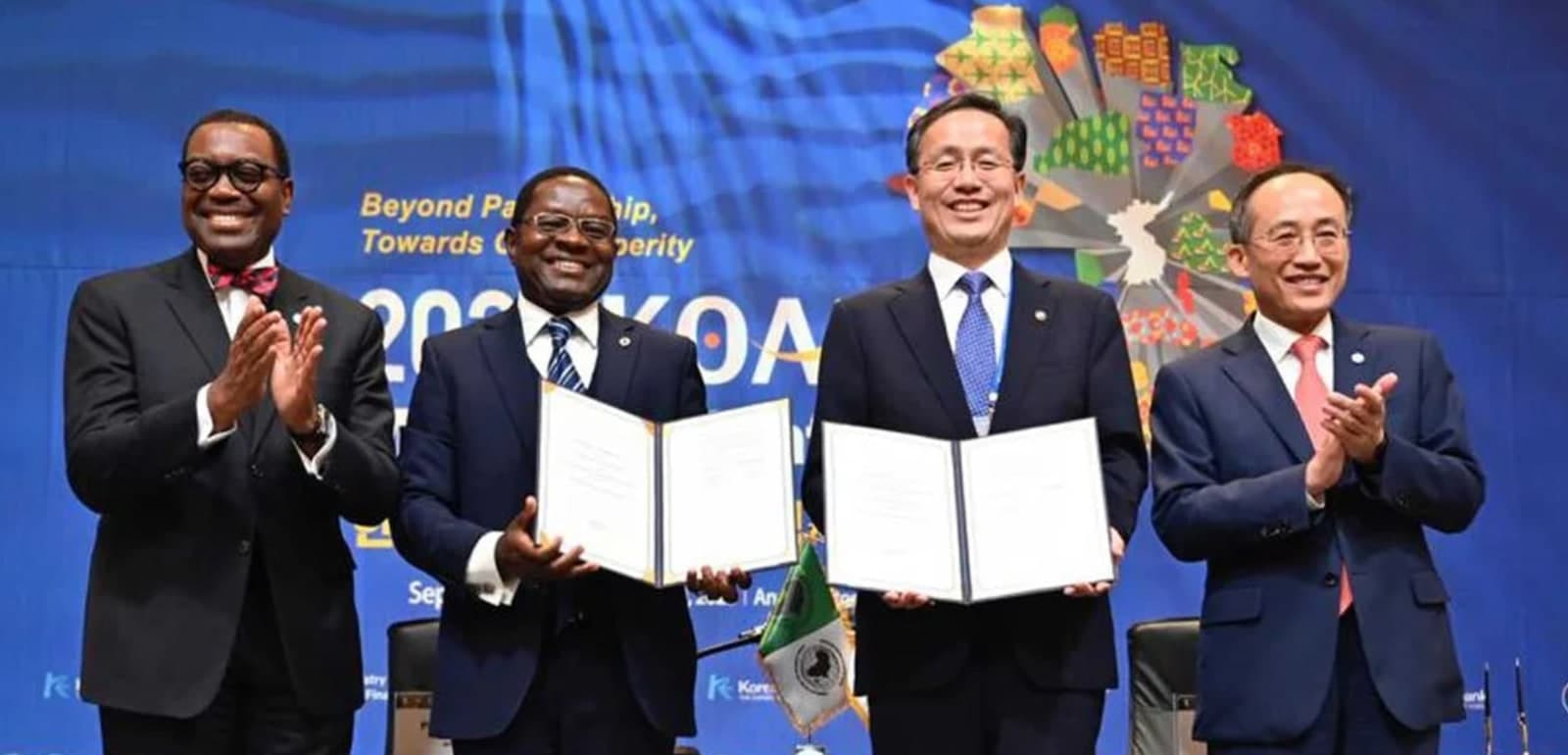
The African Development Bank and South Korea's Export-Import Bank (KEXIM) have signed a five year agreement covering projects in Africa. The deal covers energy, transport, digital infrastructure, artificial intelligence and critical minerals.
AFDB Pic
The African Development Bank and South Korea's Export Import Bank (KEXIM) have signed a five-year agreement covering projects in Africa. The deal covers energy, transport, digital infrastructure, artificial intelligence and critical minerals. There is no new $6 billion funding package attached to the agreement. The two institutions will work together to identify projects, prepare them and arrange financing. The important part will be what eventually gets funded.
AI-generated summary. It can miss nuance — read the full story above for the complete picture.
The African Development Bank and South Korea's Export Import Bank (KEXIM) have signed a five-year agreement covering projects in Africa. The deal covers energy, transport, digital infrastructure, artificial intelligence and critical minerals. There is no new $6 billion funding package attached to the agreement. The two institutions will work together to identify projects, prepare them and arrange financing. The important part will be what eventually gets funded.
Critical minerals are part of the plan
Critical minerals are one of the areas where the AfDB wants to bring in more Korean investment. Africa has some of the minerals used in batteries, electronics and other manufactured products. A large share of the continent's minerals is still exported with limited processing taking place locally. The AfDB has been presenting projects to Korean investors that could involve mining, processing and related industrial activity.
“For SMEs, the opportunity is what happens when these projects start spending money.”
For SMEs, this could create business further down the supply chain. A mining or processing project needs transport companies, equipment suppliers, engineering firms, maintenance contractors, security companies and other service providers. Local SMEs that can meet those requirements could pick up contracts as projects move ahead.
Energy and transport are also included
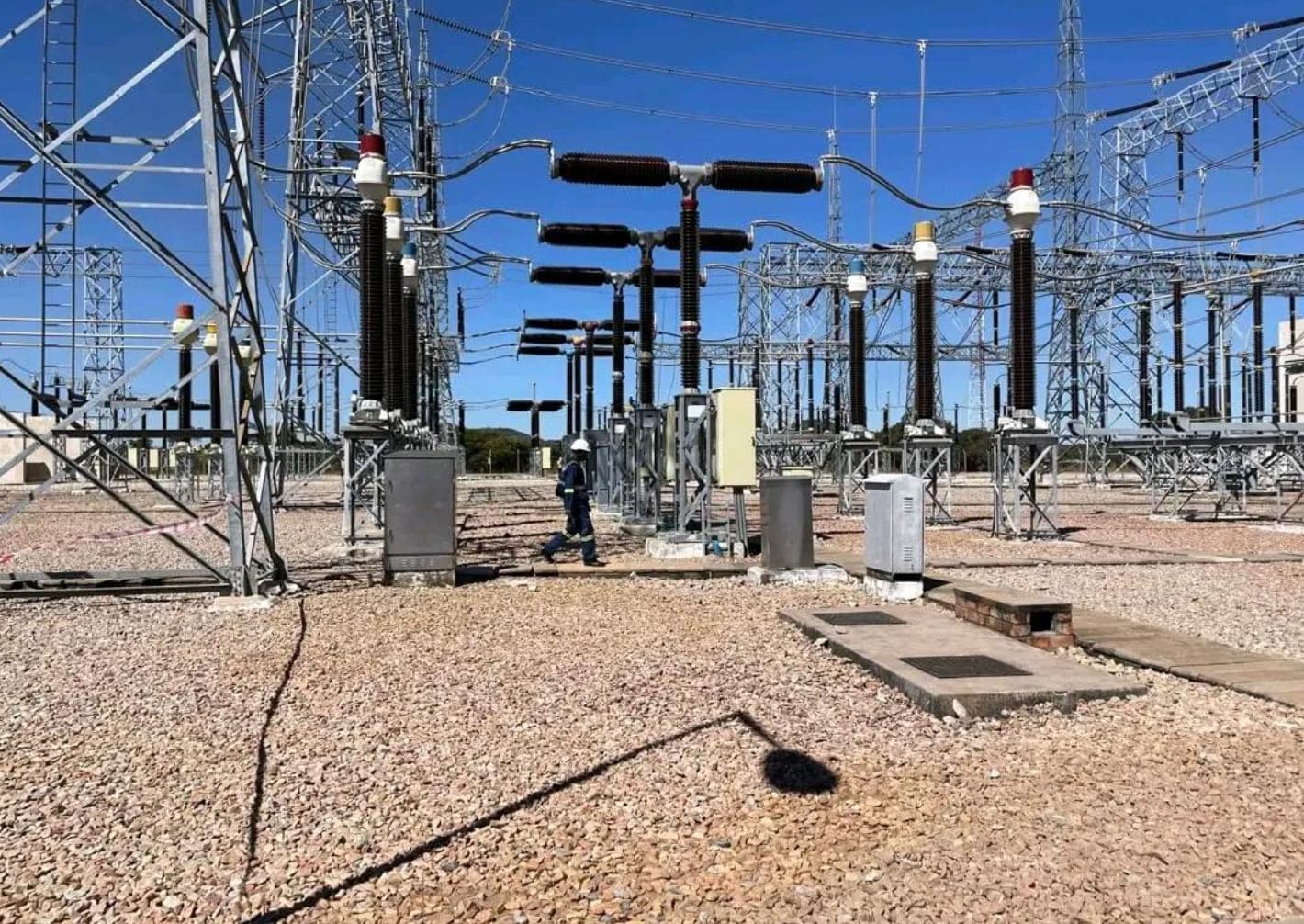
The agreement also covers more traditional infrastructure. Energy and transport projects are included, alongside digital infrastructure and AI. These projects can create work for smaller businesses during construction and once the infrastructure is operating. For example, an SME could supply materials to a construction project, provide transport services, maintain equipment or handle other contracted services.
Digital projects could create opportunities for African technology companies providing software, data services, connectivity or technical support. The agreement itself does not guarantee that SMEs will receive these contracts. That will depend on the individual projects and procurement arrangements.
Previous cooperation has produced a project pipeline
South Korea has worked with the AfDB through the KOAFEC Trust Fund since 2006. The AfDB says this cooperation has helped develop an investment pipeline worth more than $6 billion and mobilised about $4 billion in additional financing.Those figures relate to previous programmes and projects. They are not the amount being committed under the new agreement. The AfDB also says the wider Korea-Africa programme has supported more than 1,300 African startups and entrepreneurs.
What SMEs should watch
The immediate benefit for most SMEs is unlikely to be a direct loan from the new partnership. Instead, the opportunity is what happens when projects start spending money. A new power project needs suppliers. A new road or transport facility needs contractors. A mineral-processing plant needs logistics and maintenance. Digital infrastructure needs technology providers.
That creates potential work for SMEs that can become suppliers to larger projects. There is also a longer-term benefit if the infrastructure improves the cost or reliability of doing business. Better electricity, transport and digital connections can reduce some of the operating problems faced by smaller companies.
The projects will tell the story
The agreement gives the AfDB and KEXIM five years to work together on projects across Africa. The numbers worth watching are what comes next: which projects are approved, how much money is committed, where they are built and how much work goes to African companies. For SMEs, that last point will matter most. The agreement creates a route for more capital to reach large African projects. Whether that turns into new contracts for smaller businesses will depend on how those projects are financed and who gets to supply them.