Adaptive Atelier Targets $250,000 to Expand Digital Accessibility Technology
Nigerian startup Adaptive Atelier is building technology that helps businesses identify accessibility problems, improve digital experiences and test whether those changes work for disabled users.
Adaptive Atelier
Nigerian startup Adaptive Atelier is building technology that helps businesses identify accessibility problems, improve digital experiences and test whether those changes work for disabled users.
Founded in 2024 by Toyosi Badejo-Okusanya and headquartered between Lagos and London, the startup operates three connected products designed to cover different parts of the accessibility process.
AdaptiveTest uses AI to scan websites and digital products against WCAG accessibility standards. AdaptiveWiz provides an accessibility API with integrations for Shopify and WordPress, helping disabled users personalise and navigate digital experiences. AdaptiveAlly connects businesses with vetted disabled professionals who test accessibility improvements in real-world use.
“AdaptiveTest identifies the problem, AdaptiveWiz helps fix the experience, and AdaptiveAlly validates whether the fix actually holds up for a real disabled user. That closes a loop that automated tools alone cannot close,” Badejo-Okusanya told Disrupt Africa.
Building Around Accessibility Testing
Badejo-Okusanya said businesses increasingly understand the need for digital accessibility, but many still lack the infrastructure to identify problems, make changes and confirm that those changes work.
“The gap we identified is the distance between knowing accessibility matters and actually having the infrastructure to identify, fix, and validate it,” she said.
Adaptive Atelier is targeting what it sees as a fragmented market. Automated scanners and overlay tools can be deployed quickly but have limitations in what they detect and fix. Traditional consultancies provide specialist expertise but generally rely less on proprietary technology, while generic user-testing platforms are not specifically designed around disabled testers.
Adaptive Atelier combines these approaches by using AI for detection and remediation while bringing disabled professionals into the testing process.
“We sit at the intersection of these categories, combining AI-driven detection and remediation with structured, paid validation from disabled professionals, rather than asking a business to choose between automation and lived-experience insight,” she said.
Growing Its Customer Base
The startup has built a community of more than 13,000 disabled professionals and advocates, providing a potential pool of testers for AdaptiveAlly. Its website attracts about 50,000 organic visits each month.
Customer discovery has included disabled professionals in the UK, Nigeria, Canada, Germany, Morocco and the US, alongside enterprise compliance and digital leaders.
Adaptive Atelier has also started signing paying customers across cinemas, government institutions and retail platforms. Its active relationships include L’Oréal, SignHealth, Channel 4 and Phonak.
The business generates revenue through AdaptiveWiz subscriptions, scoped audits through AdaptiveTest and commissions from transactions on the AdaptiveAlly marketplace.
“A business often enters through an AdaptiveTest audit, which surfaces the case for AdaptiveWiz as an ongoing fix, and AdaptiveAlly as the validation layer that proves it’s working,” Badejo-Okusanya said.
For now, the company is focused on establishing a repeatable customer journey before expanding sales volume.
Raising $250,000
Adaptive Atelier has been self-funded since launch and is now seeking US$250,000 in institutional funding to support technical hiring and go-to-market execution.
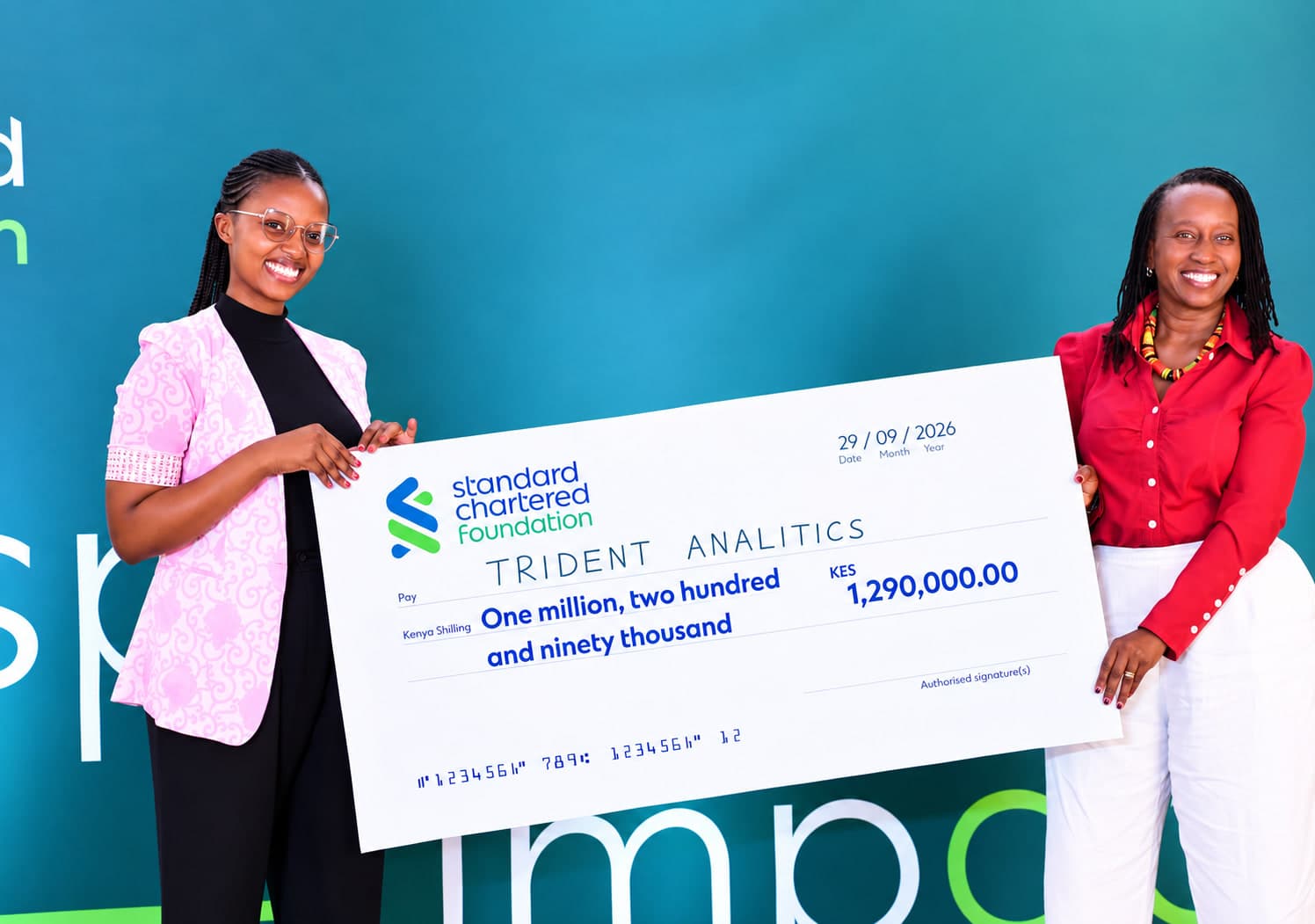
Badejo-Okusanya was a finalist in the Standard Chartered Foundation Women in Tech Accelerator Nigeria. The startup is also participating in the Synergies Work Igniting Ideas Business Accelerator in the US, sponsored by the Mitsubishi Electric Foundation.
Nigeria remains its home market, while the company is developing relationships in the UK, European Union and US. Regulations including the European Accessibility Act and ADA requirements are also creating greater pressure on businesses to address digital accessibility.
The startup has faced its own technical and operational challenges. Badejo-Okusanya said product delivery fell behind expectations at one point, requiring the company to rebuild parts of its technical roadmap and team.
“We now treat rigorous internal testing before external claims as non-negotiable,” she said.
Market education remains another challenge, with some businesses still viewing accessibility mainly as a compliance cost rather than a commercial opportunity. For a small team operating across African and Western markets, deciding where to concentrate its go-to-market efforts has also become important.
“With genuine interest from both African and Western markets, the discipline has been choosing where to concentrate go-to-market effort first, rather than spreading a small team across two very different buyer types at once,” Badejo-Okusanya said.