Absa's imported-car financing deal could open new opportunities for Kenyan SMEs
A Kenyan buying a car from Japan has to think about more than the price listed by the seller. There is shipping, customs clearance, taxes and registration to pay for before the car is ready to drive. Getting a bank loan to cover the purchase adds another step.
Absa
A Kenyan buying a car from Japan has to think about more than the price listed by the seller. There is shipping, customs clearance, taxes and registration to pay for before the car is ready to drive.
AI-generated summary. It can miss nuance — read the full story above for the complete picture.
A Kenyan buying a car from Japan has to think about more than the price listed by the seller. There is shipping, customs clearance, taxes and registration to pay for before the car is ready to drive. Getting a bank loan to cover the purchase adds another step. Cars Kenya is trying to bring those parts of the transaction closer together through a partnership with Absa Bank Kenya and Shekel Mobility, a company that provides technology for vehicle trading.
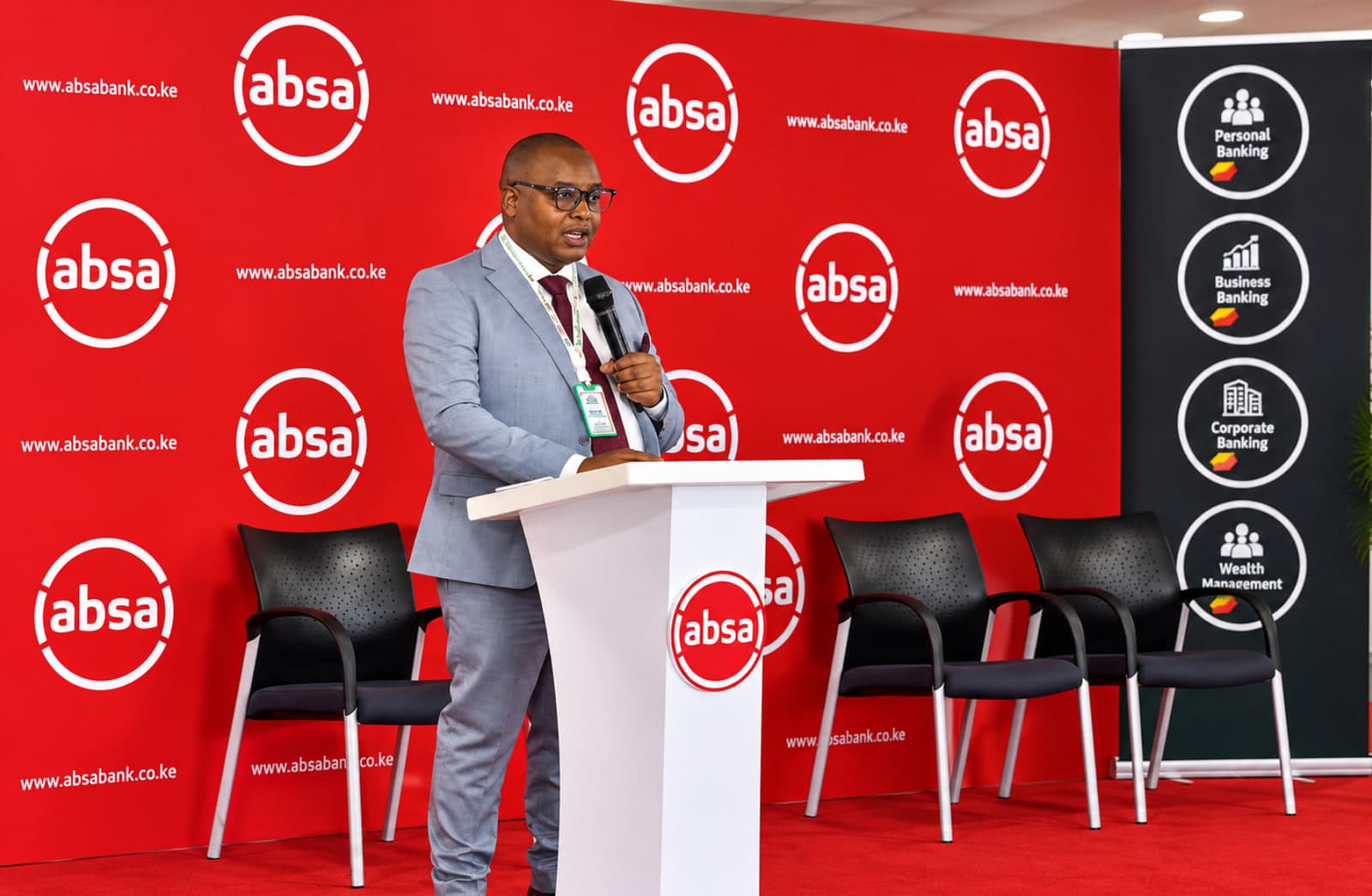
The agreement, signed in Nairobi on 21 October, gives each company a different role. Cars Kenya will source vehicles and coordinate imports, Shekel will provide the technology, and Absa will assess customers for vehicle finance.
Buyers still need to work out the full cost
“For small car dealers, access to vehicle financing could make the difference between waiting for the next sale and bringing in more stock.”
Under the arrangement, Absa will complete the asset financing process after the imported vehicle has been registered in Kenya and the bank's disbursement conditions have been met. That leaves an important question for buyers: how will they pay for the car and import costs before the financing is released?
Shipping, taxes, clearance and registration can add substantially to the original price. Customers will need to establish which costs are covered by the financing and which they must pay themselves. Eligible Absa premium customers may qualify for financing of up to 100% of a qualifying vehicle's value, subject to credit approval and the applicable terms. It does not mean every applicant will receive full financing or that every import-related expense will be covered.
Dealers have money tied up while cars are at sea
The deal also matters to dealers importing vehicles for resale. A dealer who pays for cars overseas may wait weeks for them to arrive, clear customs and complete registration. During that time, the money spent on those vehicles cannot easily be used to buy more stock.
Cars Kenya and Shekel want to connect vehicle sourcing and import coordination with the financing process. For dealers, the attraction is a more organised way to handle purchases and customer orders. Whether that improves cash flow will depend on the financing terms and how quickly each vehicle moves through the process. Shekel is bringing experience from Nigeria, where it says it has processed more than $290 million in transactions for over 1,000 dealers. The company is now extending its automotive technology business in Kenya.
The target is 1,000 imported cars a month
The partners are targeting up to 1,000 imported vehicles per month through the arrangement. That is their stated goal, not a figure showing how many cars are already being financed. Reaching it will depend on whether enough customers qualify for loans, whether the costs make sense for buyers and whether the companies can coordinate imports and registration efficiently. For someone considering a car from Japan, the comparison remains straightforward: calculate the full landed cost, add the interest and fees, then compare the result with the price of a similar vehicle already registered in Kenya.
The partnership gives buyers another route to financing an imported car. It does not, by itself, make the vehicle cheaper. The real test will be whether customers can get through the process with costs and repayment terms they can afford.