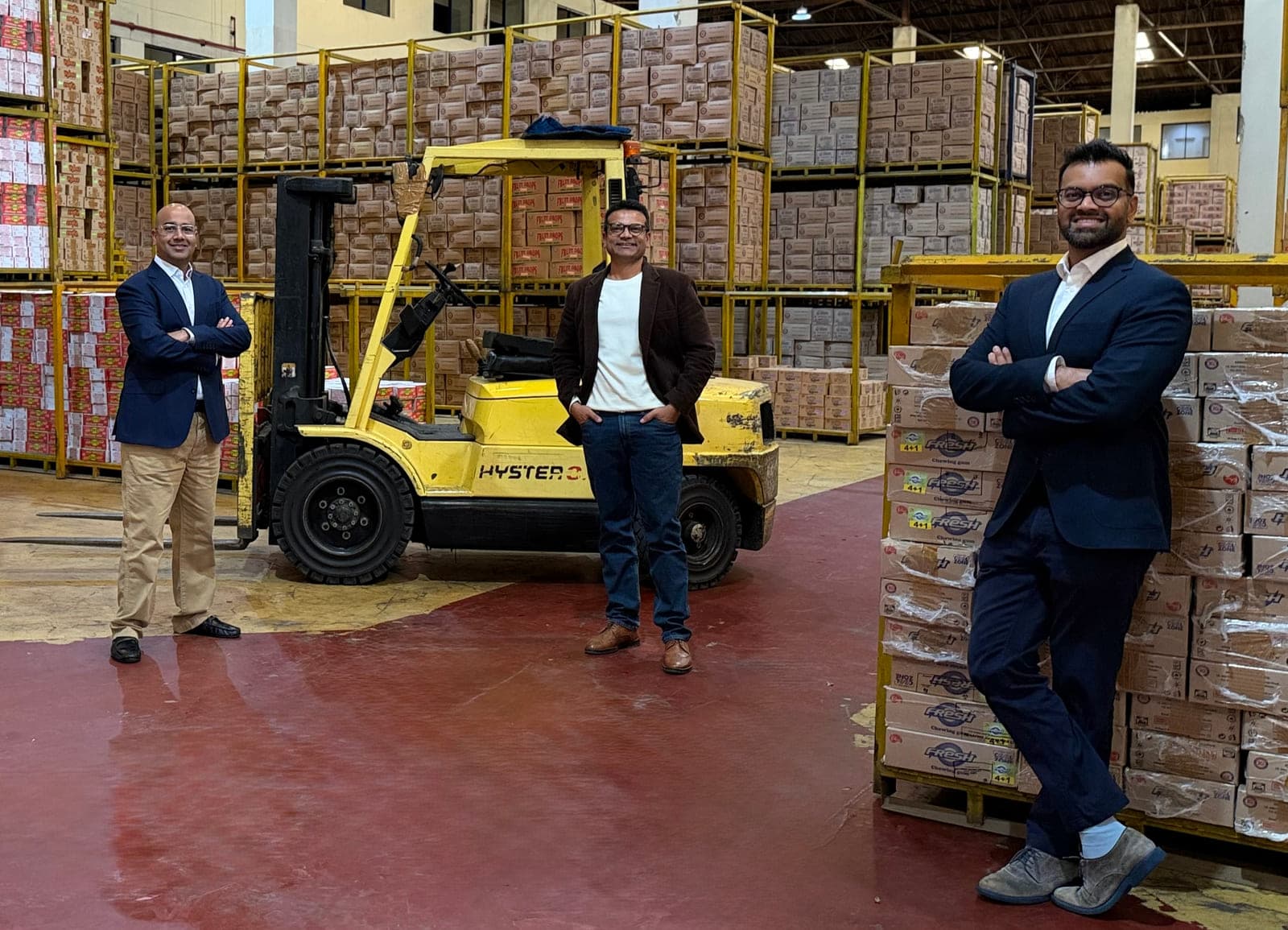
Whitey Basson questions the profitability of Shoprite's R25.5bn Sixty60 business
R25.5 billion is a big number for an online grocery business. That is how much Checkers Sixty60 generated in sales during Shoprite's 2026 financial year, after growing by 34.7%.
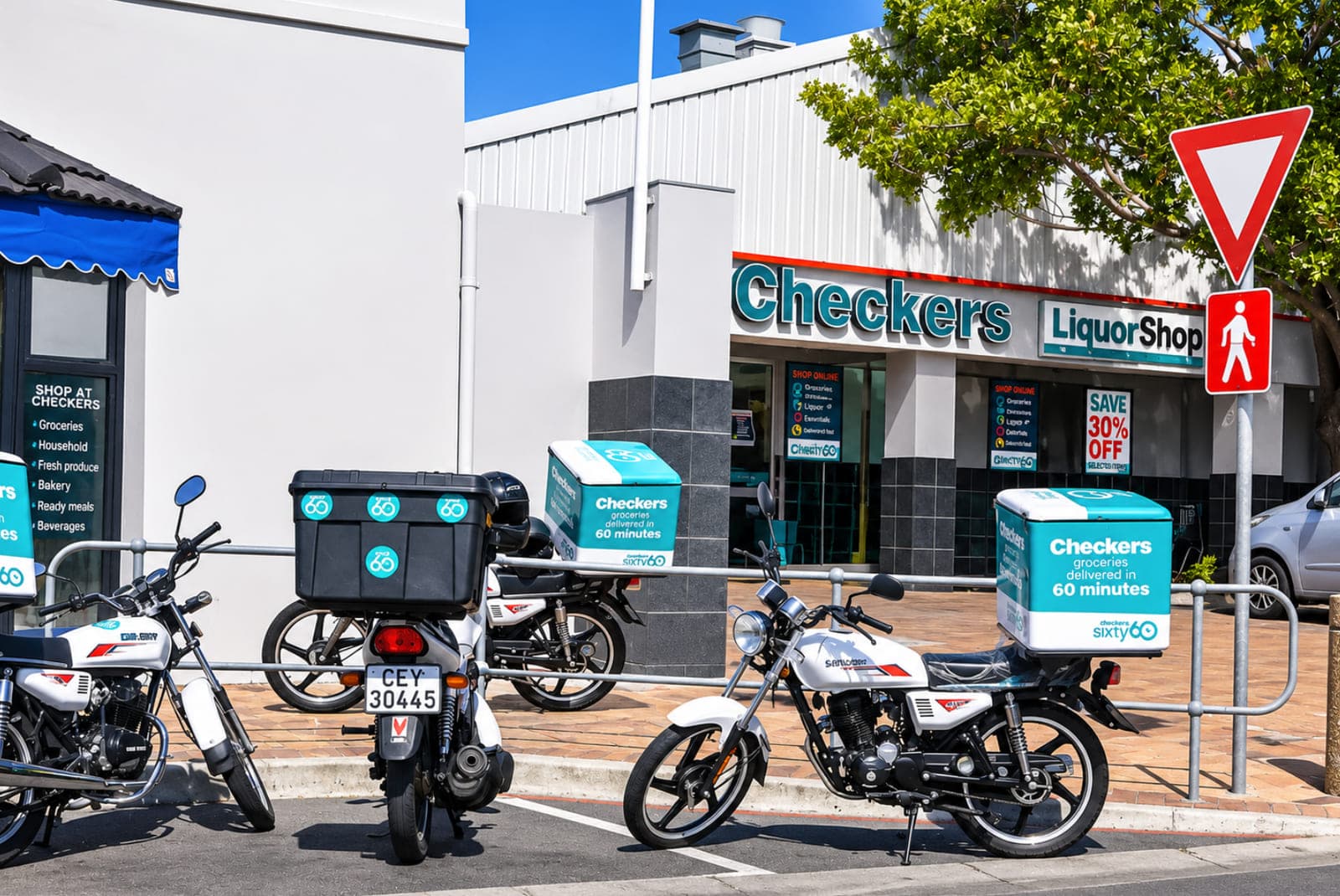
Sixty60
R25.5 billion is a big number for an online grocery business. That is how much Checkers Sixty60 generated in sales during Shoprite's 2026 financial year, after growing by 34.7%.<br />
AI-generated summary. It can miss nuance — read the full story above for the complete picture.
R25.5 billion is a big number for an online grocery business. That is how much Checkers Sixty60 generated in sales during Shoprite's 2026 financial year, after growing by 34.7%. But how much of that money did the delivery service actually make?
That question has returned to the conversation following comments by former Shoprite CEO Whitey Basson about Sixty60's profitability. It is an important issue for a business that has grown from a grocery delivery service into a significant part of Shoprite's retail operation.The difficulty is that sales figures do not give the full picture. Shoprite reports how much customers spend through Sixty60, but does not provide a complete set of standalone financial results showing the platform's total costs and profit.
The work behind a R500 grocery order
“Sixty60 generated R25.5 billion in sales, but that figure does not show how much profit the platform makes after covering its operating and delivery costs.”
Consider what happens when a customer places a R500 order. The products have to be taken off the shelves, checked and packed. Someone has to get the order ready for collection, and a driver has to deliver it. There are also costs associated with the app, payment systems, customer service and managing the delivery network.
The retailer makes money from selling the groceries, but it must also pay for the work involved in getting them to the customer. A delivery with several orders going to the same area may cost less per customer than a driver travelling a long distance for one small order. The time spent picking and packing also matters. If the process takes too long, the cost of fulfilling an order increases. This is why the number of orders and the value of sales cannot, on their own, show whether the operation is profitable.
What Shoprite has disclosed
Shoprite has said that profitability per Sixty60 order has improved. It has also indicated that Sixty60 at Shoprite-branded stores is profitable. The retailer has an advantage because it can use its existing supermarkets to fulfil orders. It does not need to build a separate warehouse network for every delivery area. However, the full cost of running Sixty60 is not limited to the space used in a supermarket. Staff still need to pick and pack orders, drivers need to be paid, and the technology and customer service operations need to be maintained. Without a separate breakdown of the platform's revenue, expenses and operating profit, it is difficult to establish how much Sixty60 contributes to Shoprite's bottom line.
The pressure is on the cost of delivery
Sixty60 also operates in a market where customers have choices. Pick n Pay has its asap! service, and online grocery shopping has become part of the way retailers compete for customers. For Shoprite, keeping customers on Sixty60 means maintaining reliable deliveries and making sure orders are worth fulfilling.
A busy delivery area can help spread operating costs across more orders. But a high number of orders does not guarantee good margins if the cost of fulfilling them is also high. That is the part of the business worth watching. Shoprite has shown that it can attract customers and generate substantial sales through Sixty60. The figures that would help explain the platform's financial performance in more detail are its overall operating costs and profit. Until those are disclosed separately, R25.5 billion tells us how much business Sixty60 is doing, not how much money it is making.