How Turuq Innovations built a profitable logistics business before taking venture capital
Turuq Innovations started with warehouse space at one of its founders' homes. Today, the Egyptian company handles between 50,000 and 100,000 orders a month for online retailers.
Turuq
Turuq Innovations started with warehouse space at one of its founders' homes. Today, the Egyptian company handles between 50,000 and 100,000 orders a month for online retailers.
AI-generated summary. It can miss nuance — read the full story above for the complete picture.
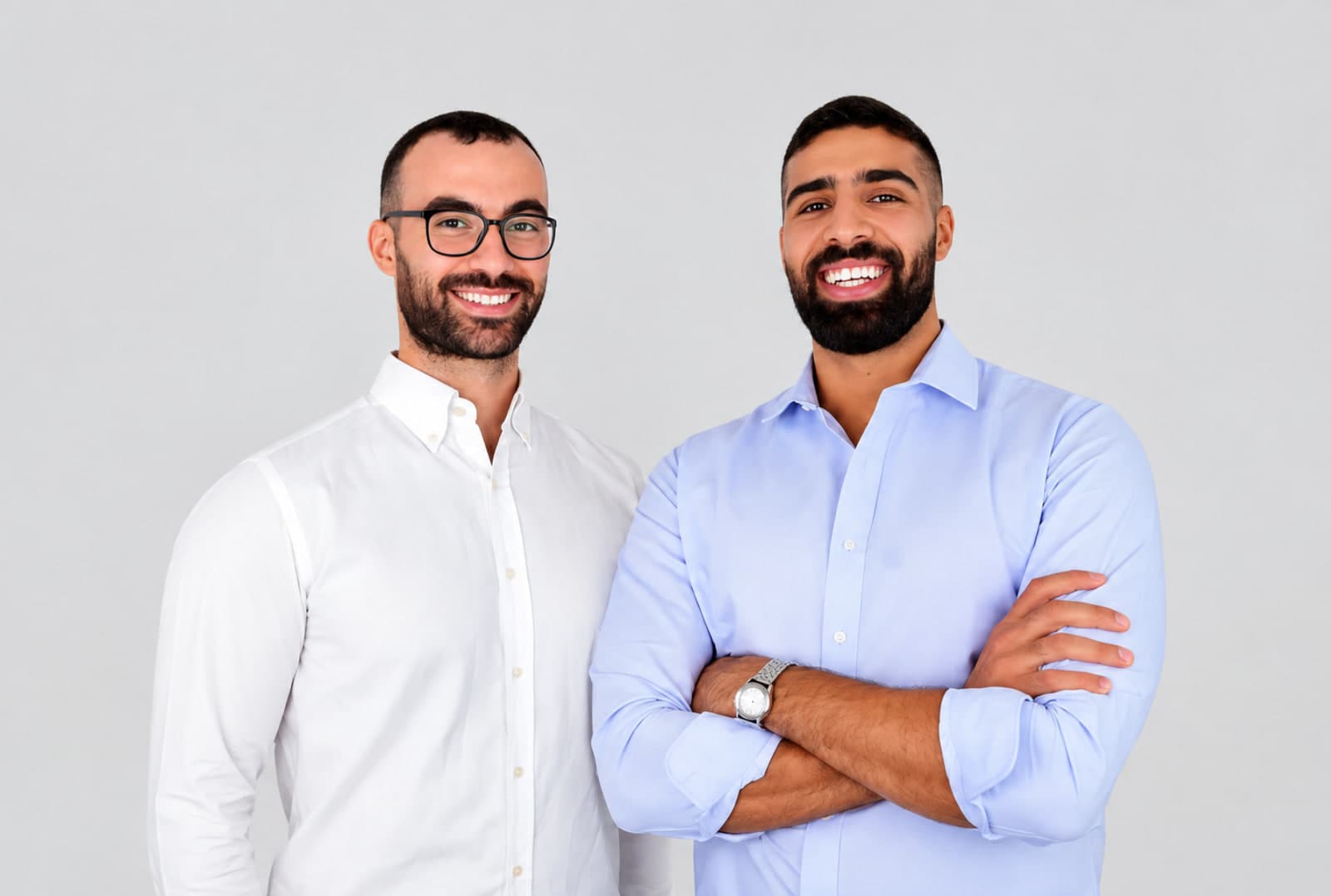
Turuq Innovations started with warehouse space at one of its founders' homes. Today, the Egyptian company handles between 50,000 and 100,000 orders a month for online retailers. The business was founded in 2023 by Ahmed Atta and Karim Kamal. They saw an opportunity to handle the work that many online sellers struggle to manage: storing products, keeping stock records, packing orders and getting parcels to customers.
Instead of asking every retailer to build its own delivery operation, Turuq offers these services through one company. It has grown to more than 300 merchant clients, although the number of orders changes with seasonal demand. More notably, the company says it was already profitable before receiving its first external investment from Den VC in October 2026. Speaking to EnterpriseAM, Atta put Turuq's gross margins at between 40% and 45%, with net margins of 10% to 15%. The investment amount was not disclosed.
The work behind an online order
“Turuq started with warehouse space at one of its founders' homes. It now handles up to 100,000 orders a month and says it was profitable before taking venture capital.”
A retailer can receive an order through its website or social media page, but someone still has to find the product in storage, check it, pack it and arrange delivery. For a business with limited staff, this can take up a large part of the working day. Renting a warehouse and hiring people to manage orders may also be too expensive, particularly when sales fluctuate.
Turuq takes over these functions for merchants. It opened its first dedicated warehouse in April 2024 and later added a collection service for businesses that already store their own products but need help with fulfilment. Its facilities in Cairo's Fifth Settlement and Maadi cover approximately 1,500 square metres. The company has also invested in its own warehouse and courier management software. These systems are used to monitor stock, process orders and coordinate deliveries.
It has introduced F.I.R.M., an AI-based system designed to identify unreliable order updates. For a retailer, inaccurate information can mean staff spending time chasing deliveries, dealing with complaints or arranging another trip.
Controlling the operation
Turuq uses smaller fulfilment facilities instead of sending all orders through one large warehouse. It also uses a combination of its own couriers and external delivery companies. Atta told EnterpriseAM that the company meets its service commitments between 95% and 100% of the time. These are figures provided by the company and have not been independently verified.
There is a cost attached to every part of this operation. Warehousing requires space and staff. Orders need to be packed, transport arranged and failed deliveries dealt with. Turuq's margins suggest that it has found a way to make the model work in Egypt, at least at its current scale. However, the figures do not tell us how much individual merchants pay or how its fees compare with running an in-house operation. That information will matter to retailers deciding whether to outsource their deliveries.
Saudi Arabia without building another warehouse network
Turuq is considering entering Saudi Arabia, but its proposed approach is different from the one it followed in Egypt. Rather than immediately investing in warehouses and delivery vehicles, it is looking at licensing its warehouse management software to logistics operators already working in the country.
The local companies would handle the physical operations, while Turuq would provide the technology. This would give the startup a way to enter the market without carrying the full cost of setting up its own facilities. It would also leave it dependent on local partners to manage orders and deliveries properly. In Egypt, the company is working on same-day delivery and plans to increase its capacity as order volumes grow.
What comes after the first investment?
Den VC's investment will support Turuq's internal systems, marketing team and accounting processes, according to Atta. The company is also considering another funding round around the middle of 2027. For a business handling up to 100,000 orders a month, expansion is not simply a matter of signing more merchants. More orders require additional storage, workers, packing capacity and delivery arrangements. If those expenses rise too quickly, the margins can narrow.
Turuq has managed to reach this stage without previously taking outside investment. Its next challenge is to grow without losing control of the costs that have helped make the business profitable. The proposed Saudi licensing arrangement will also be worth watching. It would allow Turuq to sell the systems it has developed in Egypt without having to own the warehouses where the work takes place.