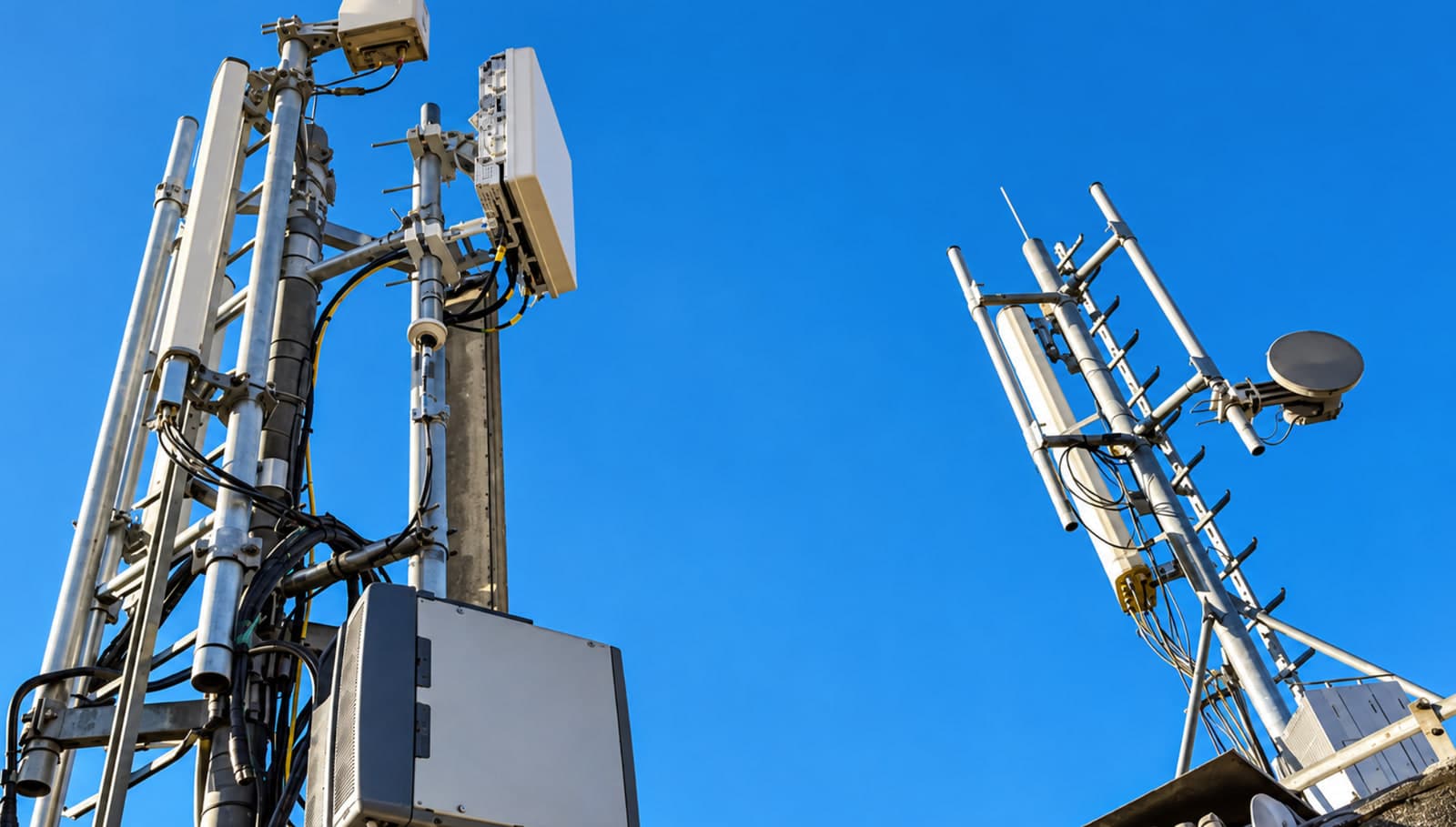
Vodafone reveals IoT for wildlife in Africa
One of the biggest telecommunications provider in Europe and Africa, Vodafone, has plans to pull the Internet of Things and AI to develop new wildlife conservation technologies in Africa, with the aim to ensure community safety, supporting its livelihoods, and reducing conflicts between humans and wildlife. The company has revealed through a public statement on
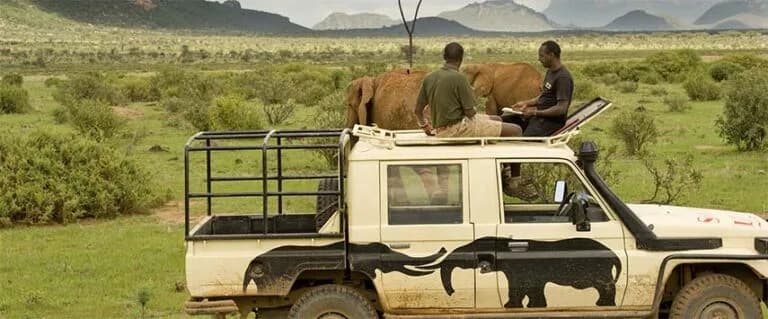
IoT for wildlife in Africa
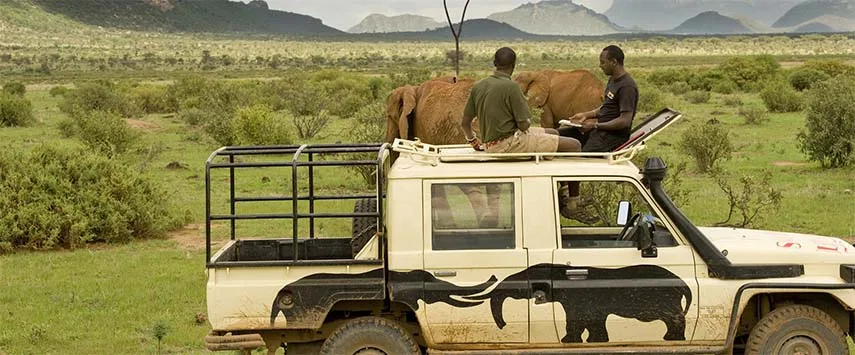
One of the biggest telecommunications provider in Europe and Africa, Vodafone, has plans to pull the Internet of Things and AI to develop new wildlife conservation technologies in Africa, with the aim to ensure community safety, supporting its livelihoods, and reducing conflicts between humans and wildlife.
The company has revealed through a public statement on its website that it is currently in the early stages of developing the new technology to promote peaceful coexistence between humans and wildlife.
Collaborating with WWF (World Wildlife Fund), the solution that is being developed will be continuously operating 24 hours a day, seven days a week. It is said to strictly rely on a combination of solar power and rechargeable batteries, facilitated by the Internet of Things.
For the detection of approaching animals, the system will employ three to four cameras strategically positioned along the perimeter of a designated area.
The cameras will be equipped with infrared lights to provide illumination. By utilising deep learning, AI, and other computer vision algorithms, the system will be able to recognise and identify different animal species.
Main Image: IT Online