Uganda's Newman Foods secures $3 million to expand food processing
Buying crops from farmers is only the first expense for a food processing business. The produce still has to be cleaned, prepared, processed, packaged and stored before it can reach shop shelves. All of this costs money, often well before the business receives payment from its customers.
Newman
Buying crops from farmers is only the first expense for a food processing business. The produce still has to be cleaned, prepared, processed, packaged and stored before it can reach shop shelves.
AI-generated summary. It can miss nuance — read the full story above for the complete picture.
Buying crops from farmers is only the first expense for a food processing business. The produce still has to be cleaned, prepared, processed, packaged and stored before it can reach shop shelves. All of this costs money, often well before the business receives payment from its customers. Ugandan food processor Newman Foods has secured $3 million in financing from AgDevCo Ventures to expand its operations and increase the amount of produce it buys from local farmers.
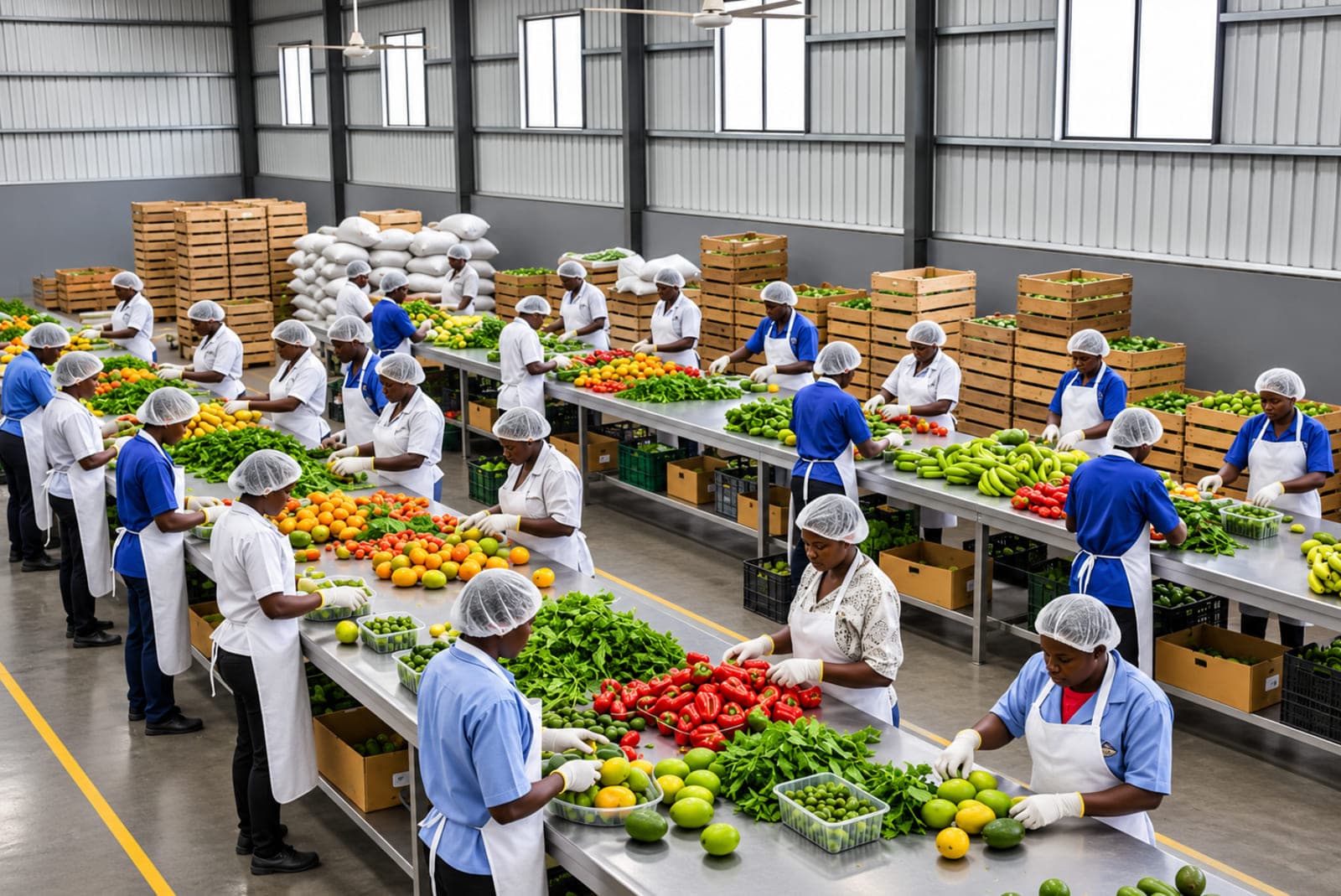
The company works with more than 3,000 smallholder farmers and supplies thousands of formal and informal retailers. It processes agricultural produce into packaged food products and also handles fresh fruit and vegetables. The new funding will help it increase production capacity, expand its product range and purchase more produce.
Processing food takes more than access to crops
“Taking on more orders can put pressure on cash flow if an SME has to pay suppliers upfront and wait weeks for customers to settle their accounts.”
Uganda has farmers producing fruit, vegetables and other agricultural products, but getting those products into a form that retailers can sell involves several additional costs.
A processor needs equipment, reliable storage, packaging materials, electricity, transport and people to run the operation. It also needs enough working capital to keep buying produce while processing and sales continue. This creates a cash flow challenge. Farmers may need to be paid when they deliver their crops, while retailers could take longer to settle their accounts. The processor has to cover that gap without slowing down production. For a company looking to increase its output, the cost of buying more produce is only one part of the investment.
What this means for smaller food businesses
Newman Foods' financing also brings attention to a problem facing smaller food processors across Africa. Many start by buying produce from local farmers and selling it in small quantities. As demand grows, they need better equipment, storage facilities, packaging and reliable distribution. But moving from a small operation to supplying supermarkets, wholesalers and larger retailers requires capital. Without it, a business may struggle to increase production, meet larger orders or maintain consistent product quality.
There is also a working capital problem. An SME might have to pay farmers and suppliers upfront but wait 30 or 60 days for a retailer to pay. Taking on more orders can therefore put pressure on cash flow rather than immediately improving the business's financial position. Access to suitable financing can help these businesses buy equipment, increase stock, reduce waste and take on larger customers. It can also give farmers more potential buyers for their produce. However, borrowing needs to match the business's ability to generate cash. Buying machinery or expanding production does not guarantee more sales. SMEs still need customers, reliable suppliers and a clear understanding of their costs.
More orders could mean more demand from farmers
Newman Foods' expansion could give it room to buy larger quantities from the farmers supplying its business. That depends on whether the company can increase production and find enough buyers for the additional products. It will also need to manage the quality and availability of agricultural produce, particularly where supplies depend on seasonal harvests. For farmers, a processor that buys regularly can provide another route to market. But the relationship depends on the company being able to maintain purchases and pay suppliers on time.
What the $3 million will support
AgDevCo Ventures is providing the $3 million through a mezzanine loan. This type of financing sits between conventional debt and equity. It can give a business access to growth capital without necessarily requiring it to sell an ownership stake, although the repayment terms still matter. For Newman Foods, the money is intended to support higher production, a wider product range and increased purchases from farmers. The investment points to a financing need that many African food businesses face. A company can have access to agricultural produce and customers, but still struggle to grow because processing capacity and working capital are expensive.
The next challenge is turning capacity into sales
More equipment and a larger supply of crops will only help if Newman Foods can sell the additional output. The company will have to keep its production costs under control, maintain product quality and secure enough demand from retailers. It will also need to make sure that buying more produce does not put too much pressure on its cash flow.
The figures to watch will be how much production increases, how many farmers the company buys from and whether the expansion leads to higher sales. For smaller food businesses, the lesson is that growth requires more than finding a market for agricultural products. They also need to plan for the costs of processing, storage, distribution and the time it takes to collect payment from customers.