Supercoin Seeks Kenyan Licence for Shilling Backed Stablecoin
South African fintech Supercoin has applied for a Kenyan licence to issue KESsc, a stablecoin backed one to one by the Kenyan shilling. The proposed 2027 launch would extend its existing rand-backed digital currency model into another African market, with regulatory approval still outstanding.
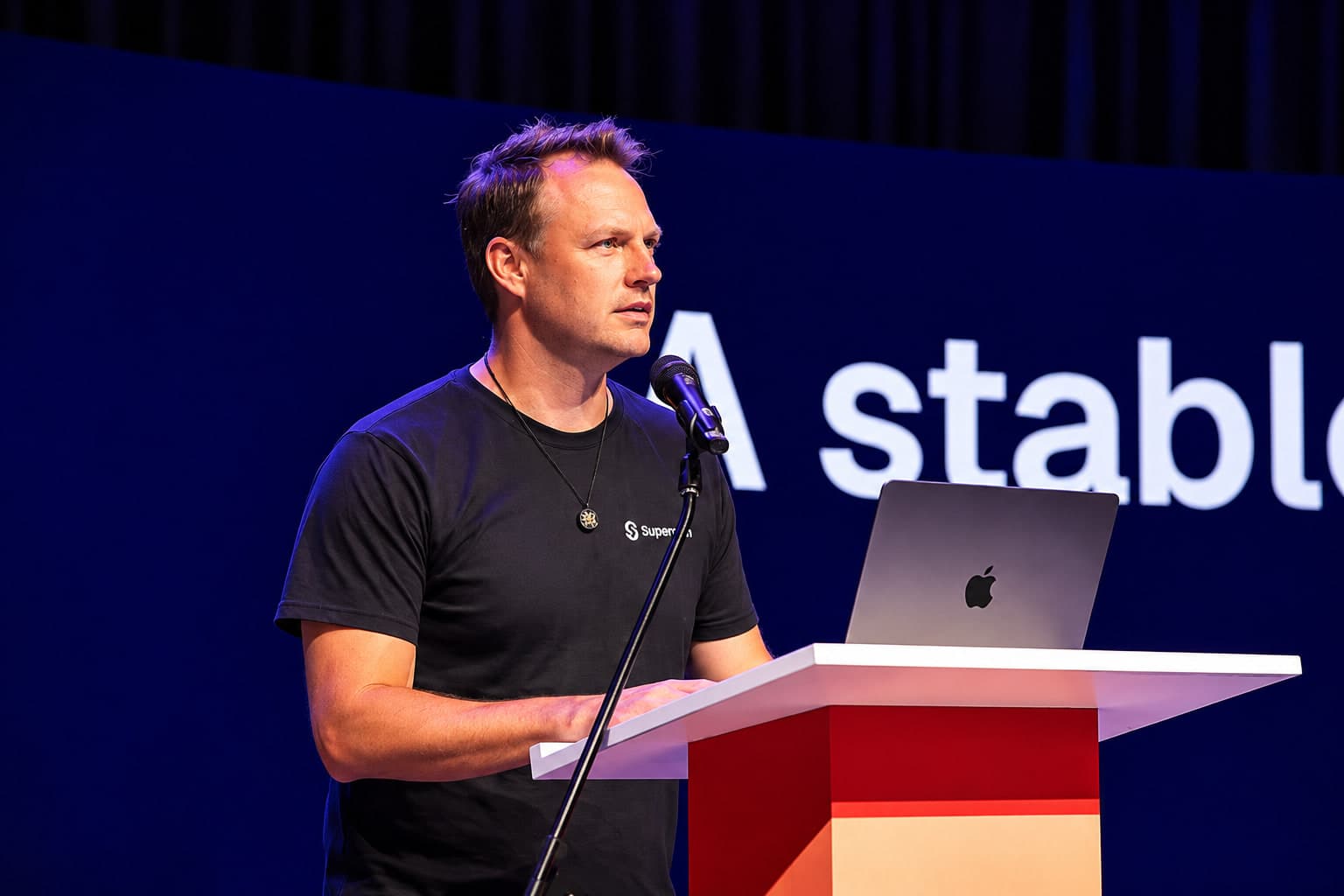
Supercoin Presenter on Blue Stage
South African fintech company Supercoin is preparing to enter Kenya's digital payments market with a stablecoin backed by the Kenyan shilling, extending its local currency digital money strategy beyond the rand.
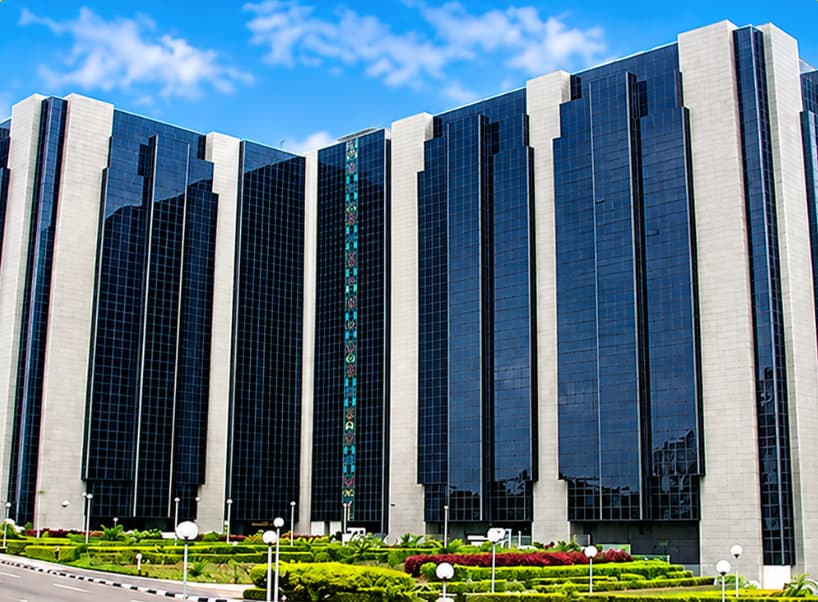
The company has submitted a licence application to the Central Bank of Kenya through its subsidiary, Stablemint Kenya Limited. If approved, Supercoin plans to introduce KESsc in 2027, with each token backed by one Kenyan shilling held in cash at a local bank.
Managing director Gideon Greaves disclosed the application at the Africa Stablecoin Summit in Cape Town on 19 November. The proposed product follows the company's launch of ZARsc, a rand backed stablecoin designed to facilitate digital payments and settlements using South Africa's currency rather than the US dollar.
Supercoin expands its rand-backed business model
Supercoin already operates ZARsc through Super Money SA, its South African business. The digital token is issued on the Solana blockchain and backed one to one by rand held in segregated bank accounts at Absa. Independent accountants conduct monthly checks on the reserves.
The company has also introduced Supercoin Mint, an enterprise platform that allows verified businesses to create and redeem ZARsc directly with the issuer. A business deposits rand into its designated account and receives the equivalent value in digital tokens. It can later return those tokens and receive rand in its bank account.
The service is aimed at exchanges, payment providers, fintech companies and banks that want to use rand-denominated digital settlement without issuing their own stablecoins.
Extending this model to Kenya would give Supercoin a second local currency token. The company says KESsc would follow the same one to one backing principle, with Kenyan shillings held in a domestic bank.
Regulation and payment integration remain important
Supercoin's Kenyan application comes as the country implements its Virtual Asset Service Providers (VASP) regulatory framework. The rules establish licensing requirements for virtual asset businesses and include specific provisions covering stablecoin issuance, reserve assets, custody and redemption.
Approval will therefore be necessary before Supercoin can issue KESsc commercially. The company has not yet disclosed which Kenyan bank would hold the proposed reserves or which payment providers it intends to work with.
Those arrangements will matter because issuing a digital token is only one part of providing a usable payment service. Businesses must also be able to convert digital balances into conventional money, access liquidity and transfer funds through payment channels used by customers and suppliers.
At the summit, Greaves argued that local currency stablecoins could reduce the need to route transactions through US dollar denominated digital currencies. He sees potential for direct settlement between African currencies as more businesses adopt blockchain-based payment infrastructure.
If KESsc receives regulatory approval and becomes operational alongside ZARsc, Supercoin could facilitate transfers between Kenya and South Africa using shillings and rand rather than converting both currencies through the US dollar.
The company has set 2027 as its target launch year for KESsc, subject to approval from the Central Bank of Kenya.