Nigeria Sets ₦15 Billion Capital Requirement for Foreign Stablecoin Issuers
Nigeria’s central bank has introduced new regulations requiring foreign currency-backed stablecoin issuers to maintain at least ₦15 billion in paid-up capital, raising the financial threshold for companies seeking to operate in the country’s digital asset market.
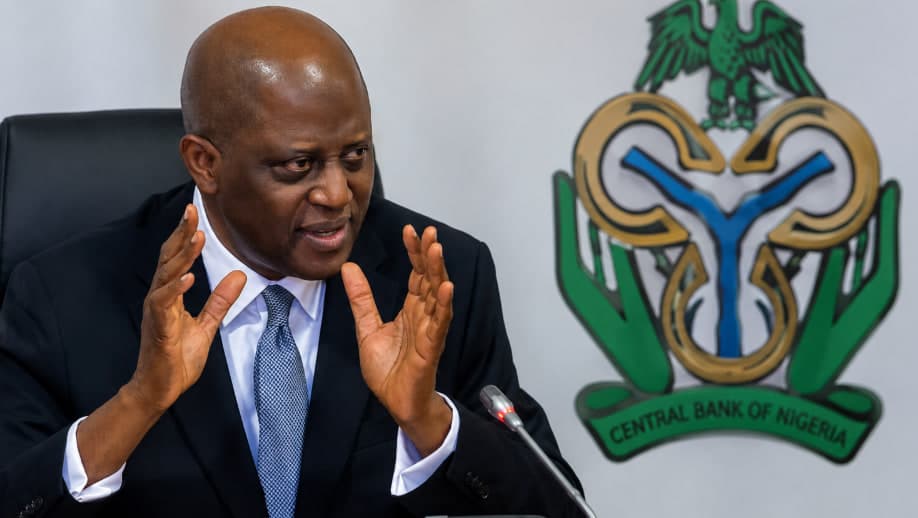
CBN
Nigeria’s central bank has introduced new regulations requiring foreign currency-backed stablecoin issuers to maintain at least ₦15 billion in paid-up capital, raising the financial threshold for companies seeking to operate in the country’s digital asset market.
The Central Bank of Nigeria (CBN) issued its Regulations for the Operations of Non-Security Virtual Assets in Nigeria on November 5, 2026. The framework establishes licensing, capital and operational requirements for stablecoin issuers, cryptocurrency exchanges, wallet providers, custodians and other virtual asset service providers.
The capital requirements vary according to the type of stablecoin. Issuers of foreign currency-referenced tokens, including those linked to the US dollar, must maintain at least ₦15 billion, while issuers of naira-backed stablecoins face a ₦10 billion minimum. Other virtual asset service providers must maintain at least ₦1 billion in paid-up capital.
Foreign stablecoin issuers must also establish a Nigerian-incorporated entity and obtain a CBN licence. A foreign parent company or an overseas regulatory licence does not remove the requirement to comply with Nigeria’s local rules. The central bank can also demand higher capital depending on an operator’s transaction volumes, risk exposure and redemption obligations.
New Rules for Stablecoin Reserves
The framework introduces additional safeguards for customer funds. Naira-backed stablecoins must maintain full backing through eligible naira-denominated reserve assets, with at least 20% of the reserve pool held as a cash deposit in a dedicated account at the CBN.
Issuers must also maintain an additional 2% overcollateralisation buffer. They cannot use reserve assets to fund operating expenses, lending or staking activities, and stablecoin holders cannot receive interest or yield simply for holding the tokens.
The rules also require issuers to redeem valid stablecoin requests at face value within the prescribed period, generally no later than the next business day.
CBN Tightens Controls on Peer-to-Peer Trading
The regulations introduce stricter requirements for platform-facilitated peer-to-peer (P2P) cryptocurrency transactions. Platforms must obtain specific CBN approval before offering these services and verify that the name and Bank Verification Number (BVN) associated with a naira settlement account match the verified customer.
They must also prevent the use of nominee, fictitious or third-party accounts to conceal transaction beneficiaries and maintain records linking cryptocurrency transfers to their corresponding naira payments.
Existing operators have 30 days to register with the CBN, 60 days to begin submitting supervisory reports and 180 days to complete their licence applications.
The new framework gives the CBN direct oversight of virtual assets used for payments, transfers, remittances and settlement, while securities-related digital assets remain under the Securities and Exchange Commission's jurisdiction.