Payaza moves into Kenya as Nigerian fintechs look for business beyond home market
Payaza has secured approval to provide payment gateway services in Kenya, adding to its recent expansion into Zambia. The move gives Kenyan merchants another payment option and raises the question of whether growing competition among African fintech companies can make cross-border payments more affordable and accessible for SMEs.
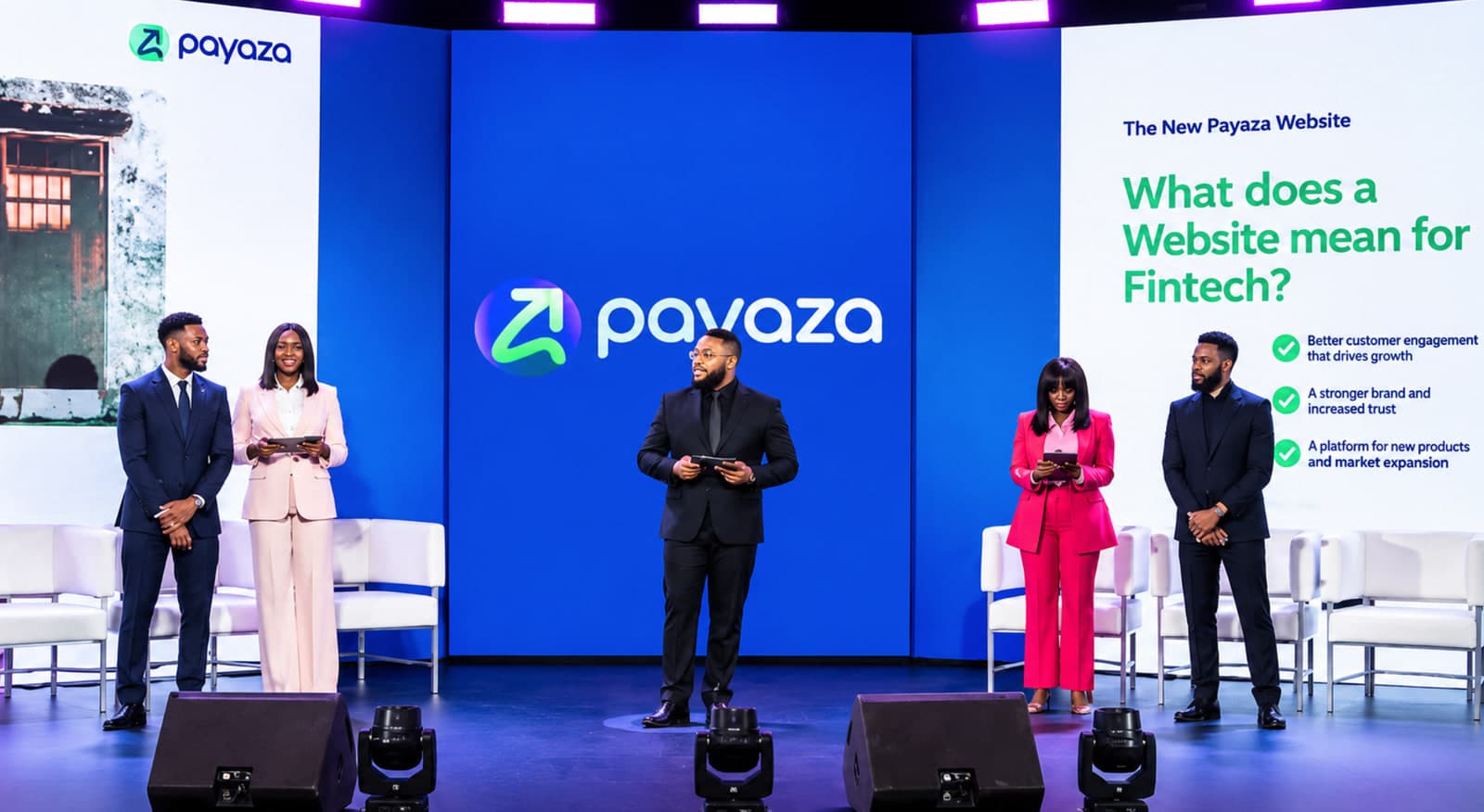
Payaza
Nigerian payment company Payaza has received approval from the Central Bank of Kenya to provide payment gateway services, adding another country to its African operations. The company will be able to process payments for Kenyan merchants using bank transfers, cards and mobile money.
AI-generated summary. It can miss nuance — read the full story above for the complete picture.
Nigerian payment company Payaza has received approval from the Central Bank of Kenya to provide payment gateway services, adding another country to its African operations. The company will be able to process payments for Kenyan merchants using bank transfers, cards and mobile money. The approval also covers merchant settlements and transaction reporting.
Kenya is the second new market to feature in Payaza's recent expansion plans. In October, the company received approval from the Bank of Zambia to operate as a payment system operator. The move comes as Nigerian fintech companies look for customers outside their domestic market. Payaza says it operates in more than 27 African countries, although entering each market requires local regulatory approval and relationships with financial institutions.
Kenyan merchants get another payment provider
"For an SME trying to sell into another African country, payment charges and settlement times matter far more than the number of markets a fintech operates in."
Kenya has an established digital payments market, with mobile money playing a major role in everyday transactions. Payaza will be entering a market where businesses already have payment providers to choose from. Its challenge will be getting merchants to switch or add another service to their existing payment arrangements.
For businesses selling online, the choice of payment provider affects more than how customers pay. Transaction charges, settlement times and failed payments can all affect daily cash flow. A merchant processing hundreds of transactions a month needs to know exactly how much it will receive after fees and how long the money will take to reach its account.
The SME opportunity is in cross-border payments
Small businesses selling across African markets often have to deal with different payment methods and banking arrangements. A Nigerian retailer selling to customers in Kenya, for instance, needs a practical way to collect money without making the customer deal with an unfamiliar payment process. The retailer also needs to receive that money without losing too much to transaction charges and currency conversion.
This is where payment companies are trying to find business. Payaza's Kenyan approval gives it permission to serve local merchants and support payment collections. For SMEs, the potential benefit is having another provider that can handle transactions across different markets. But a new licence does not automatically make cross-border trade cheaper. Businesses will still need to compare fees, exchange rates, settlement periods and the payment methods available to their customers.
Nigerian fintechs are competing for African merchants
Payaza is joining other Nigerian fintech companies, including Flutterwave and Paystack, that have taken their payment services into other African markets. The competition is increasingly about winning merchants that operate across borders, rather than only processing payments within Nigeria.
For Payaza, the Kenyan approval removes one regulatory hurdle. The company must now build its merchant base and establish the banking relationships needed to support its services. The important question for businesses will be whether having another payment provider in the market gives them better prices and a more reliable way to collect money. For an SME trying to sell into another African country, those details matter far more than the number of markets listed on a fintech company's website.