South African fintechs want a bigger share of the lending market
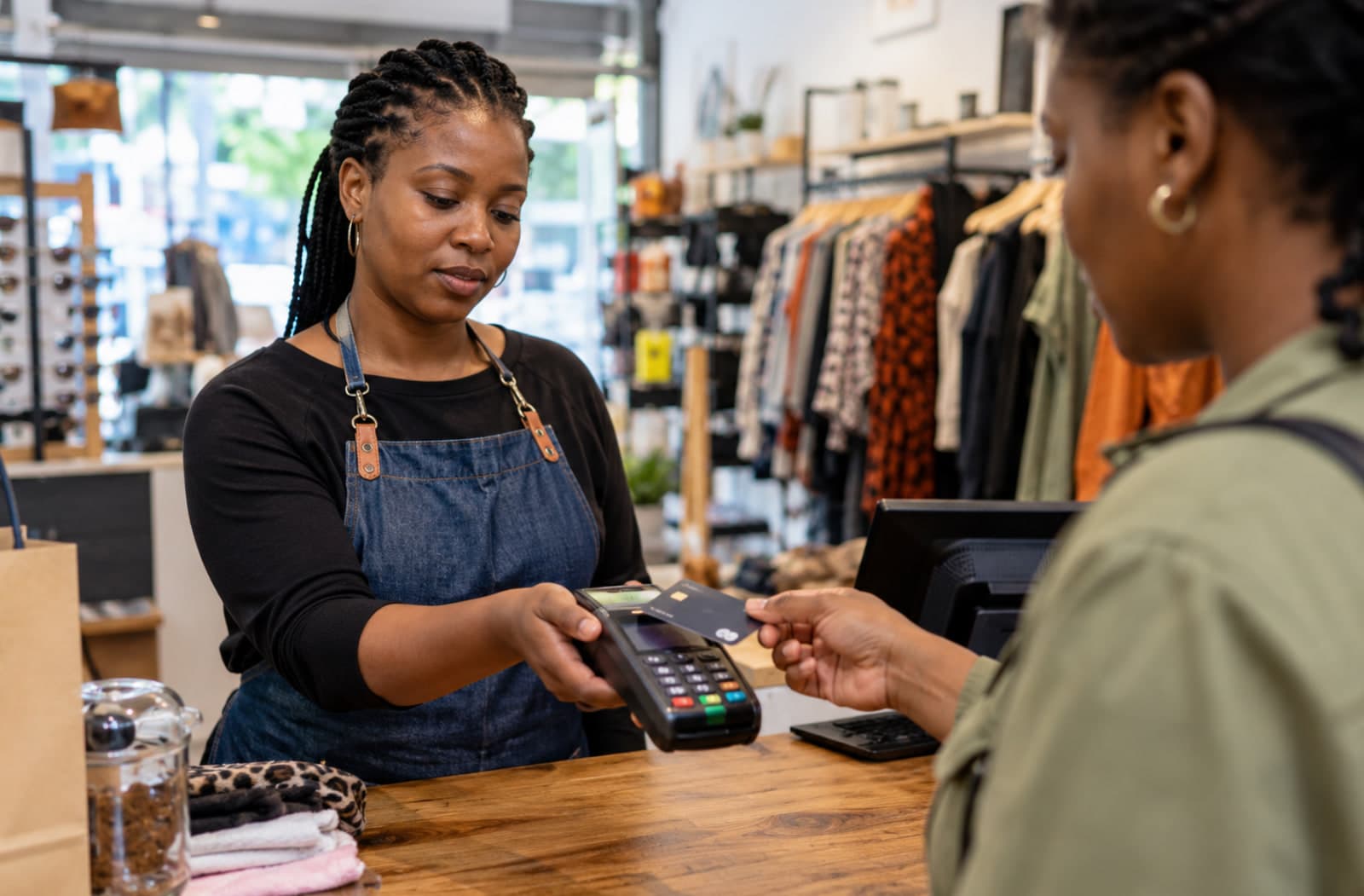
A small business can process hundreds of card payments every month and still struggle to get a loan from a bank. Having customers and making sales does not always translate into access to finance. This is one of the gaps South African fintech companies are trying to address.
Fintech
A small business can process hundreds of card payments every month and still struggle to get a loan from a bank. Having customers and making sales does not always translate into access to finance. This is one of the gaps South African fintech companies are trying to address.<br />
AI-generated summary. It can miss nuance — read the full story above for the complete picture.
A small business can process hundreds of card payments every month and still struggle to get a loan from a bank. Having customers and making sales does not always translate into access to finance.
This is one of the gaps South African fintech companies are trying to address. Yoco, which built its business around helping merchants accept digital payments, is now putting more money into lending. The company recently secured a $100 million credit facility from US investment firm Victory Park Capital to grow its merchant cash advances business.
The idea is to use information already available through its payment platform to assess businesses looking for funding. Instead of depending only on conventional credit records and financial statements, Yoco can examine how much a merchant processes through its system and how regularly the business makes sales. It is a different way of looking at small-business finance, particularly for traders who have been operating for years but struggle to meet bank lending requirements.
“A small business can process hundreds of card payments every month and still struggle to get a loan from a bank.”
Yoco says it has advanced more than R6.5 billion to over 40,000 merchants since 2018, working with specialist credit providers. Its advances range from R2,000 to R1.5 million. Repayments are taken from daily sales rather than through fixed monthly instalments. For a restaurant or retailer with changing daily turnover, this arrangement may offer some flexibility. However, it also means a portion of every day's takings goes towards settling the advance.
Small businesses remain short of funding
The size of the market explains why fintech companies are paying attention. The 2025 Finfind and African Bank SA MSME Access to Finance Report puts South Africa's small-business financing gap at R350 billion. SMEs receive 13% of national bank lending, compared with 51% for large corporations. For a business owner, the problem is often practical. Stock needs to be purchased before it can be sold. Staff need to be paid, suppliers expect their money and rent does not wait for a good trading month.
A business may have enough sales to support a loan but still struggle to get one through the usual banking channels. Yoco's model gives it access to transaction information that can help assess these businesses. The $100 million facility from Victory Park Capital will support the company's efforts to expand this part of its operation.
Optasia is making a similar move from another part of the market
Optasia did not start out financing small businesses. Its business grew around airtime and data advances offered through mobile network operators. It has since expanded into broader microfinance services. The company's financial results show how important this business has become. Optasia reported $270 million in revenue for the first nine months of 2026, up 45% year-on-year. Microfinance accounted for $194 million, or about 72% of total revenue.
The company wants that contribution to exceed 80%. Optasia uses artificial intelligence and alternative data to assess customers who may have little or no conventional credit history. This opens the door to borrowers who might not qualify through traditional lending channels.
But there is a concern that cannot be ignored. Access to a loan does not mean a person can comfortably afford to repay it. FinMark Trust found that 75% of South Africans who borrowed in 2024 used credit to pay for essentials such as food. That tells lenders something about the financial position of many households. When people borrow to cover everyday expenses, there may be little room left for another repayment. The risk is that easier access to credit can leave some customers with more debt rather than solving their immediate financial problems.
Paymenow is looking at the days before payday
Paymenow is approaching the problem from the employee side. Its platform allows workers to access part of the salary they have already earned before their scheduled payday. The company reported serving more than 750,000 employees across South Africa, Namibia, Zambia and Pakistan by 2026.
Its merger with PayCurve in May also expanded its offering to include debt rehabilitation, savings and financial education. For someone facing an unexpected expense towards the end of the month, access to earned wages could be useful. It may help cover a car repair, transport costs or another urgent bill without taking out a separate short-term loan.
There is, however, a practical question about what happens on payday. If an employee regularly withdraws wages early, the remaining salary may not stretch far enough to cover monthly commitments. The service's value will depend on whether employees use it to manage occasional cash shortages or become dependent on accessing their salaries ahead of schedule.
The difficult part starts after the money is lent
Fintech companies have an advantage when entering lending. They already have customers, digital platforms and information about how those customers use their services. But collecting transaction data and issuing funding offers is only part of the job. Companies must also manage defaults, funding costs and customers whose financial circumstances change. Yoco says it has not recorded an unprofitable cohort of cash advances since launching the operation in 2018, including during the Covid-19 pandemic. It has not, however, published detailed cohort performance figures, default rates or write offs alongside its latest funding announcement. These figures will matter as the business expands. A growing loan book can increase revenue, but it can also increase losses if repayment performance weakens.
What this means for African businesses
For small businesses, more fintech lenders could mean another place to seek working capital when traditional banks are unwilling to help. A retailer with regular card sales might be able to access money for stock based on its trading history. A restaurant could use an advance to cover a supplier payment during a difficult month.
The cost of that funding still needs careful consideration. Repayments taken from daily sales can affect the money available for wages, rent and restocking. For African fintech companies, the opportunity is not simply to issue more loans. They need to show that their lending products work for businesses and consumers over time. Yoco, Optasia and Paymenow are building on customer relationships they already have. Their next challenge is proving that customers can use these services without taking on financial commitments they cannot manage.