Safaricom adds a new investment option for M-PESA customers
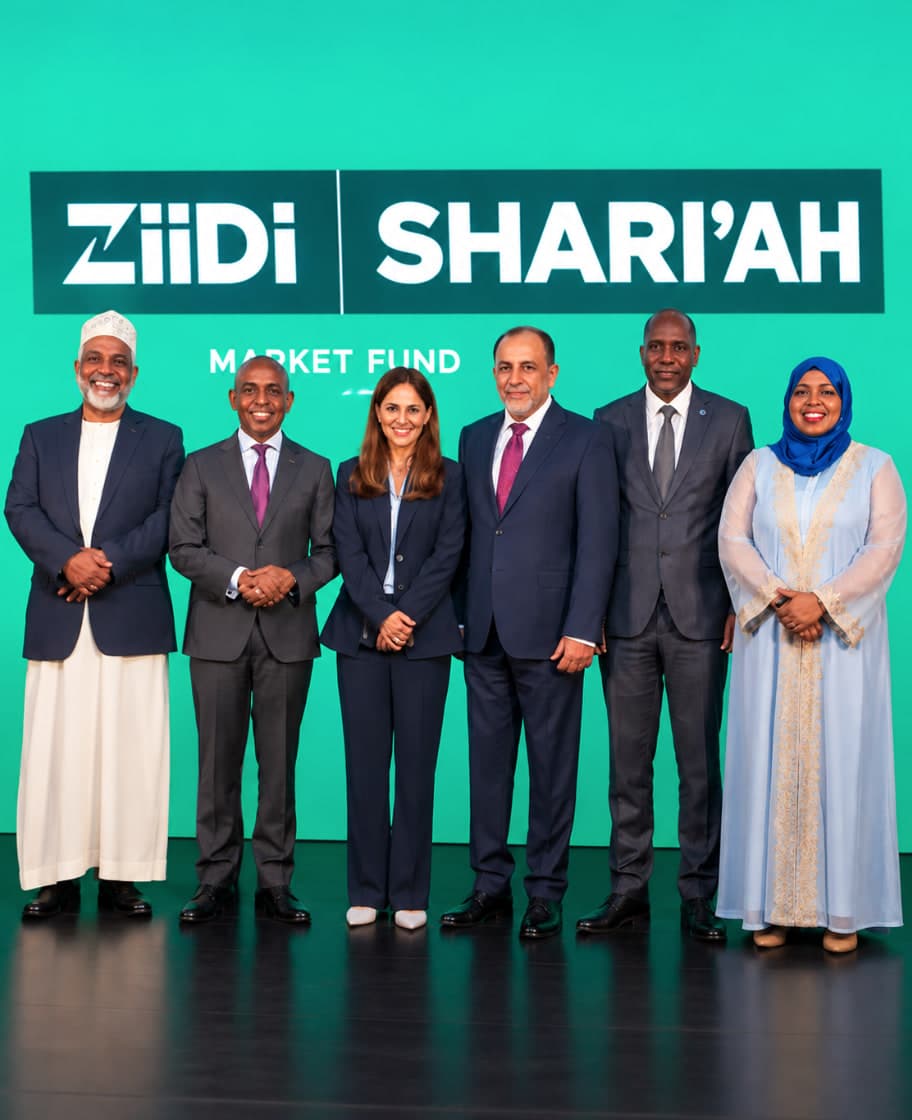
Safaricom is giving Kenyan customers who avoid interest-based investments another reason to use M-PESA. The company has introduced Ziidi Shari’ah, a money market fund developed with GulfCap Investment Bank for people who want their investments to comply with Islamic finance principles.
Safaricom
Safaricom is giving Kenyan customers who avoid interest-based investments another reason to use M-PESA. The company has introduced Ziidi Shari’ah, a money market fund developed with GulfCap Investment Bank for people who want their investments to comply with Islamic finance principles.
The fund launched on 6 October. Customers can start with KSh100 and add as little as KSh10 at a time through My OneApp or by dialling *334#.
AI-generated summary. It can miss nuance — read the full story above for the complete picture.
Safaricom is giving Kenyan customers who avoid interest-based investments another reason to use M-PESA. The company has introduced Ziidi Shari’ah, a money market fund developed with GulfCap Investment Bank for people who want their investments to comply with Islamic finance principles. The fund launched on 6 October. Customers can start with KSh100 and add as little as KSh10 at a time through My OneApp or by dialling *334#.
For Safaricom, the product adds to the financial services available through M-PESA. For customers, it offers a way to invest without having to use a conventional interest-bearing fund.
How Ziidi Shari’ah works
“Having KSh100 available today does not mean having the same amount to spare tomorrow.”
GulfCap manages the fund, with oversight from its Shari’ah Supervisory Board. Kenya’s Capital Markets Authority regulates the product. The fund places money in short-term instruments with Shari’ah-compliant banks. Rather than earning conventional interest, it generates returns through investment activities permitted under Islamic finance rules.
Customers can deposit money from M-PESA and withdraw it back to their wallets without transaction charges. They can also check their returns on the platform. There is a difference between this fund and money sitting in an M-PESA wallet. Customers are making an investment, and the returns are not the same as a guaranteed cash balance. Anyone considering the product needs to understand its terms and risks.
A small deposit is easier to make, but regular investing is harder
The KSh100 entry point means customers do not need thousands of shillings to get started. That could appeal to people who earn money in small amounts, including market traders and informal business owners.
But having KSh100 available today does not mean having the same amount to spare tomorrow. A trader may need to buy stock, pay a supplier or cover transport before setting anything aside. The decision to invest will depend on how much money remains after those expenses and whether the customer can afford to leave it invested. Customers also need clear information about returns and withdrawals. Without that, a low minimum deposit may attract people to the product without giving them enough information to decide whether it suits them.
M-PESA is taking on another financial role
M-PESA is best known for sending and receiving money, making payments and supporting business transactions. Ziidi Shari’ah adds investment to that mix. The product also serves a group of customers who may not want conventional money market funds because of their religious requirements. They can now access a Shari’ah-compliant option through a platform they already use.
The unanswered question is how many people will invest and keep their money in the fund over time. Publicly available launch information does not yet show how much it has attracted or how many customers have signed up. Those figures will matter more than the launch itself. They will show whether Safaricom has found demand among customers who were previously outside the investment market, or whether the product mainly appeals to people who already invest. For GulfCap and Safaricom, getting customers to open the product is only the first step. They will also need to help customers understand how it works and what they are agreeing to when they put money into the fund.