South Africa’s car industry is changing, and smaller suppliers will feel it
When a new vehicle rolls off a production line, most of the attention goes to the badge on the bonnet. There is a much bigger network behind it.
Automotive Industry
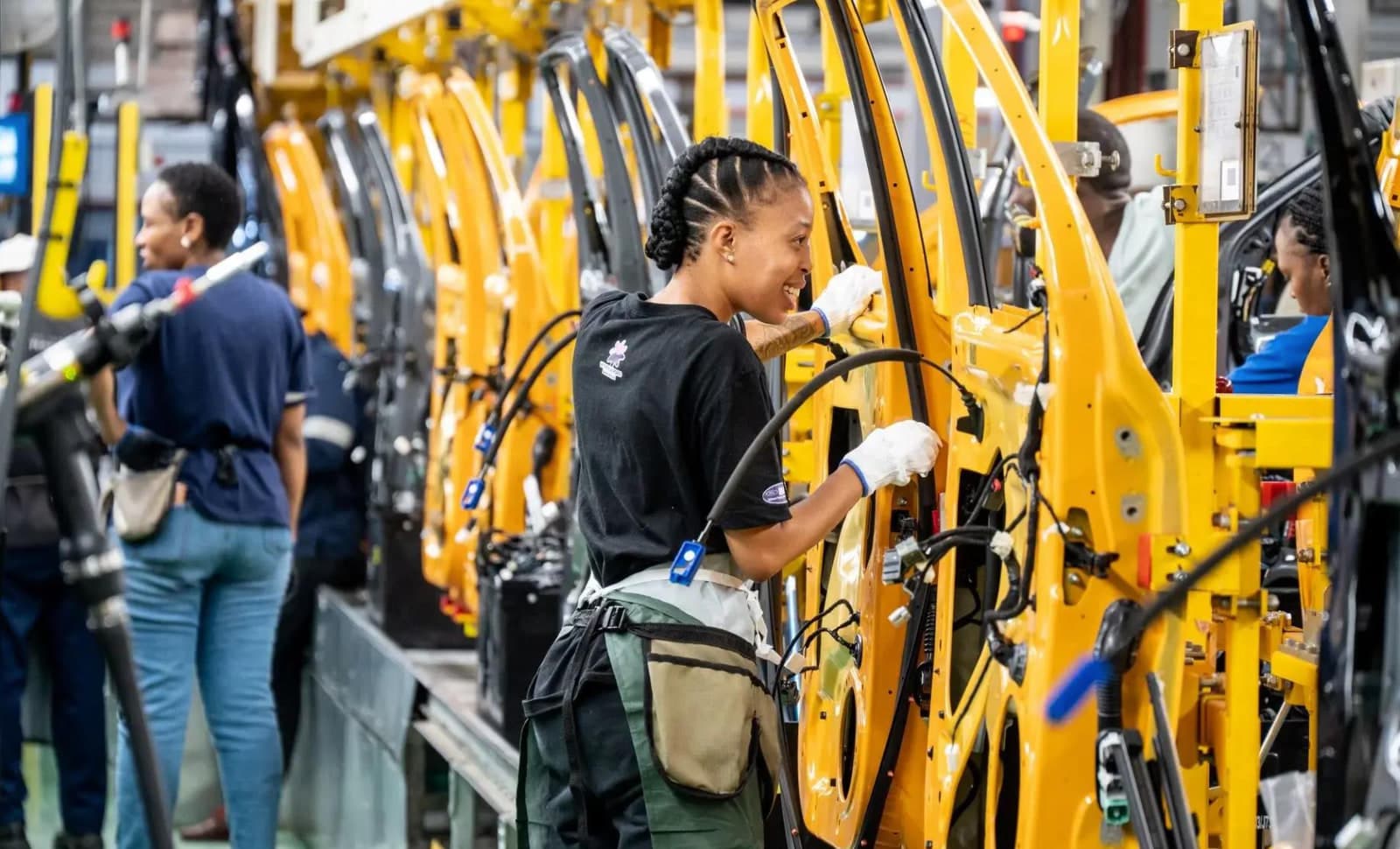
When a new vehicle rolls off a production line, most of the attention goes to the badge on the bonnet. There is a much bigger network behind it. South Africa's automotive industry relies on component manufacturers, engineering firms, logistics companies, tooling businesses, software providers and other smaller suppliers. Many of those businesses will have to adjust as the vehicles being built and sold in the country change.
AI-generated summary. It can miss nuance — read the full story above for the complete picture.
When a new vehicle rolls off a production line, most of the attention goes to the badge on the bonnet. There is a much bigger network behind it. South Africa's automotive industry relies on component manufacturers, engineering firms, logistics companies, tooling businesses, software providers and other smaller suppliers. Many of those businesses will have to adjust as the vehicles being built and sold in the country change.
That will be one of the issues hanging over South African Auto Week, which takes place at the Durban ICC from 13 to 16 October 2026. The event will bring manufacturers, suppliers, government and investors together at a time when the local industry is dealing with more Chinese vehicle brands, a growing range of hybrid and electric models and continued pressure to keep South Africa competitive as an export base.
The cars are changing
“The vehicles are changing. The question for thousands of smaller businesses is whether they can make the switch with them.”
South Africa produced 618,077 vehicles in 2025 and exported 414,268, according to naamsa. The export business is particularly important because the local industry sells a large share of its production outside the country. Automotive products worth around R291 billion were exported in 2025, with the EU and UK accounting for R182.8 billion. Africa contributed R49.5 billion. That means what happens in overseas markets can eventually affect a factory in South Africa and the smaller businesses supplying that factory.
A component supplier cannot stand still
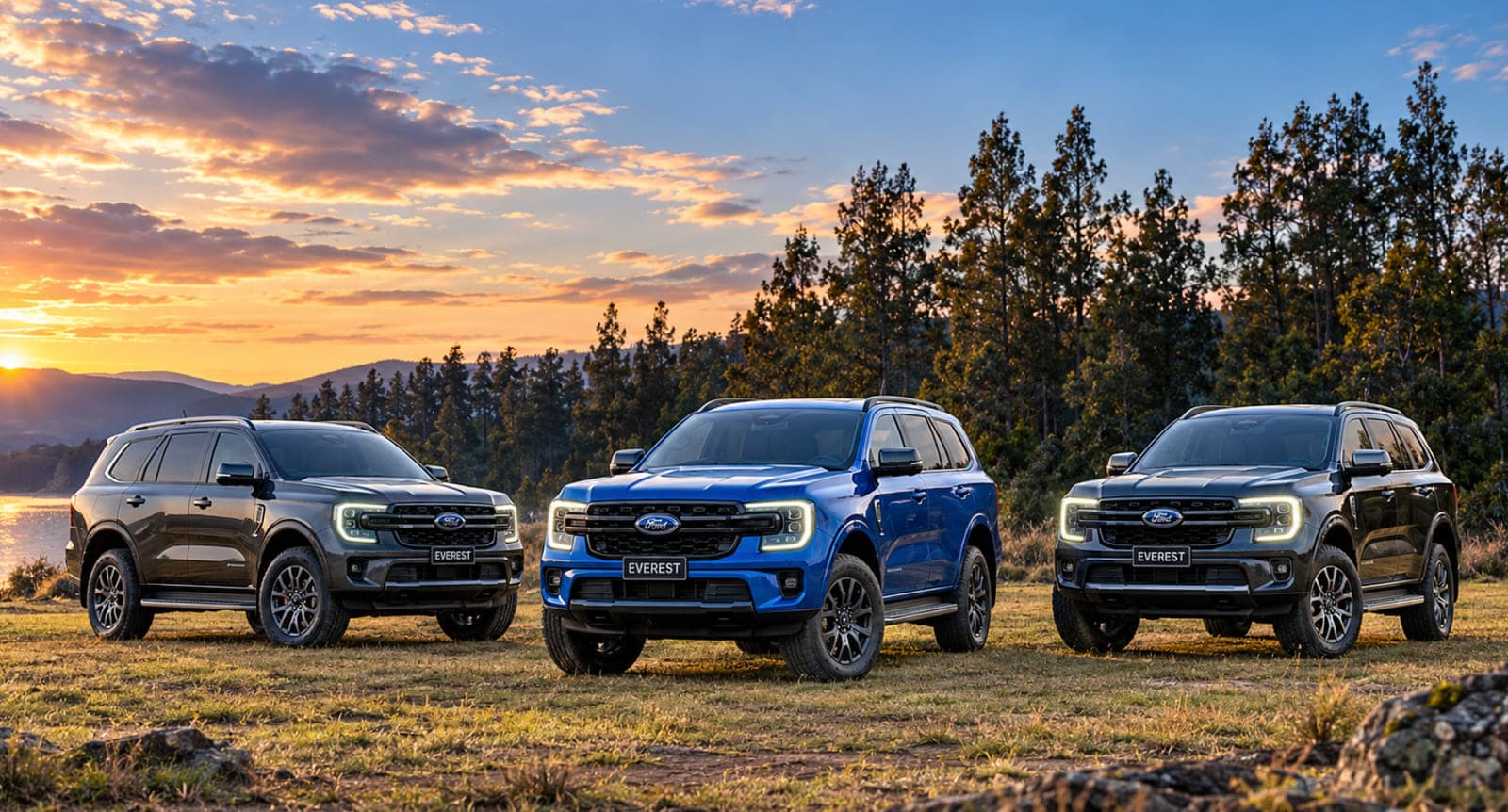
Electric and hybrid vehicles are already being built locally.Ford produces the Ranger PHEV at its Silverton plant, while BMW produces the X3 plug-in hybrid at Rosslyn. For suppliers, the change is more complicated than simply replacing one part with another. Some components used in petrol and diesel vehicles will not have the same role in an electric vehicle. Other parts, including electronics and electrical systems, become more important.
A small manufacturer supplying a vehicle plant may therefore have to decide whether to invest in new equipment and skills or continue serving an older part of the market. That decision can be expensive. For a large multinational, a new production line is a major investment. For a smaller supplier, buying machinery or retraining workers can put a much bigger strain on the business.
Chinese brands add pressure
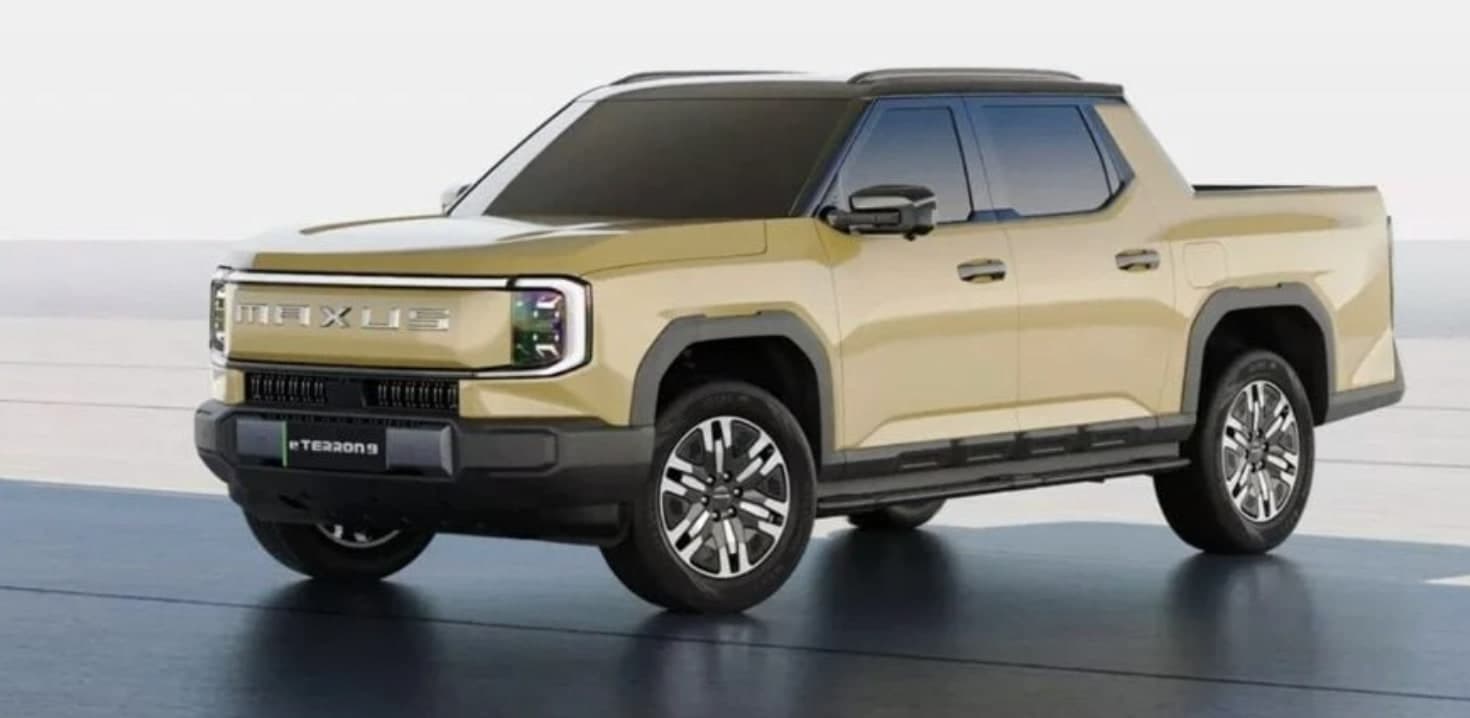
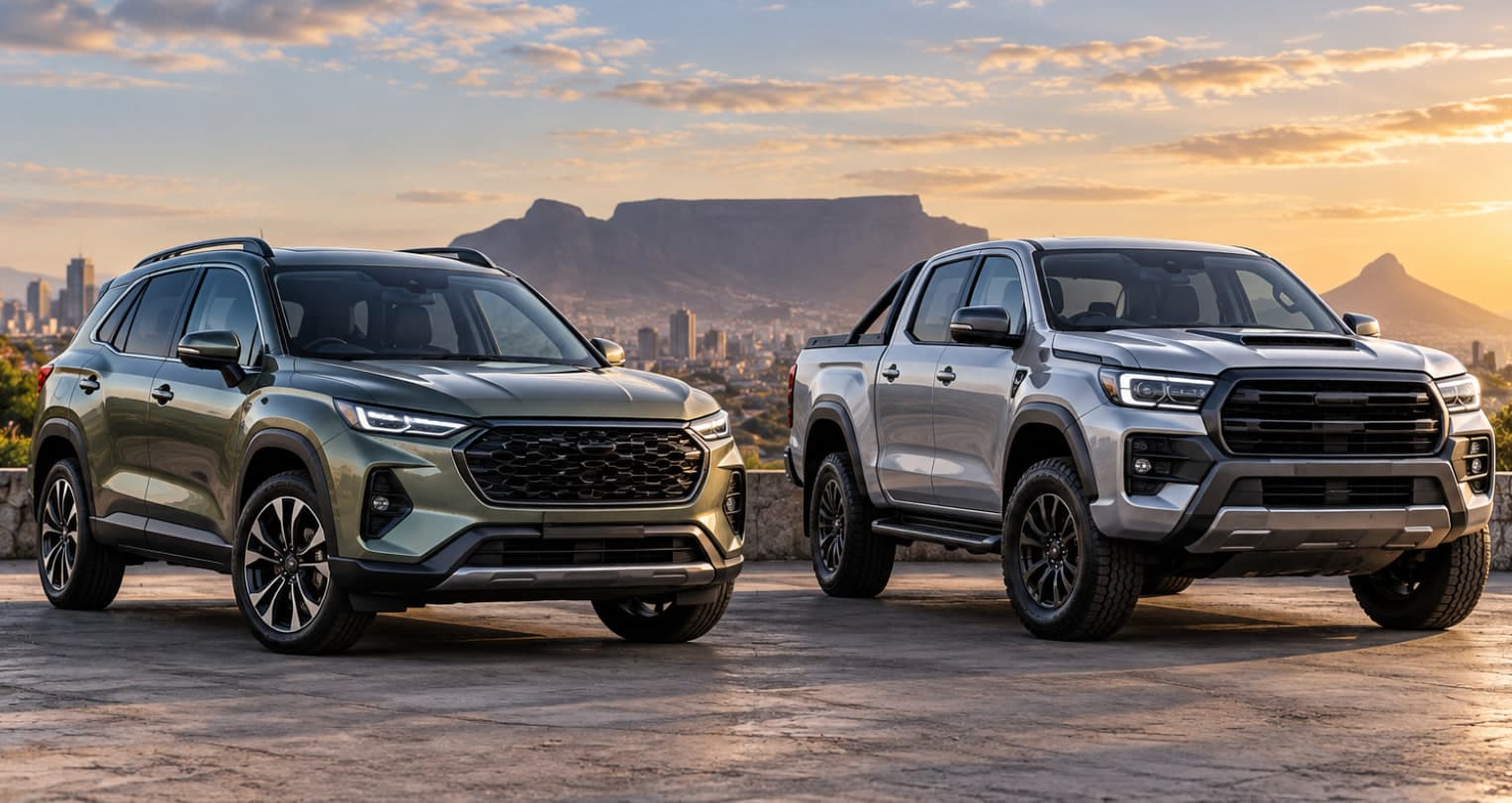
The local showroom is changing at the same time. More Chinese manufacturers have entered South Africa, bringing SUVs, hybrids and electric vehicles with them. That gives buyers more choice and has forced established manufacturers to compete with new brands on price, specifications and technology.
The scale of China's automotive industry makes this more than a local showroom battle. China produced 34.5 million vehicles in 2025, according to naamsa's 2026 Automotive Trade Manual.South Africa therefore has to compete for investment and production work against a country with a huge automotive manufacturing base.
For local suppliers, that creates another concern. If more vehicle companies source components internationally, there could be less work available to South African manufacturers. On the other hand, companies that can meet the required price, quality and delivery standards could win new contracts.
There is work outside the factory too
The growth of hybrids and EVs also creates businesses that did not have much of a market a few years ago. Charging equipment needs to be installed and maintained. Fleets need software to track vehicles and charging. Electric vehicles require technicians with different skills. Batteries need to be diagnosed and eventually serviced or replaced.
These are areas where smaller companies can participate without becoming vehicle manufacturers. The same applies to logistics and engineering. A small company that develops a specialised component, provides factory equipment or handles a particular transport requirement can become part of the automotive supply chain.
The difficult part is getting through the door. Automotive companies have strict requirements for suppliers, and a small business may need to spend money before it wins a contract.
What SA Auto Week needs to address
South African Auto Week will cover manufacturing, localisation, exports, new-energy vehicles and regional trade. For the smaller businesses in the industry, the interesting part will be whether those discussions translate into actual work. A supplier does not need another industry presentation. It needs to know whether there will be a contract to bid for, a new vehicle programme to supply, or a reason to invest in new equipment.
That is why October's discussions matter beyond the big manufacturers. South Africa has spent decades building an automotive supply chain around petrol and diesel vehicles. The vehicles are now changing. The question for thousands of smaller businesses is whether they can make the switch with them.