Shoprite Nigeria Reopens Three Stores After Temporary Shutdown Over Supplier Challenges
Shoprite Nigeria has reopened three stores after temporarily shutting its operations to negotiate with suppliers and address outstanding financial obligations. The retailer is also planning to expand through smaller neighbourhood supermarkets as it works to reduce operating costs.
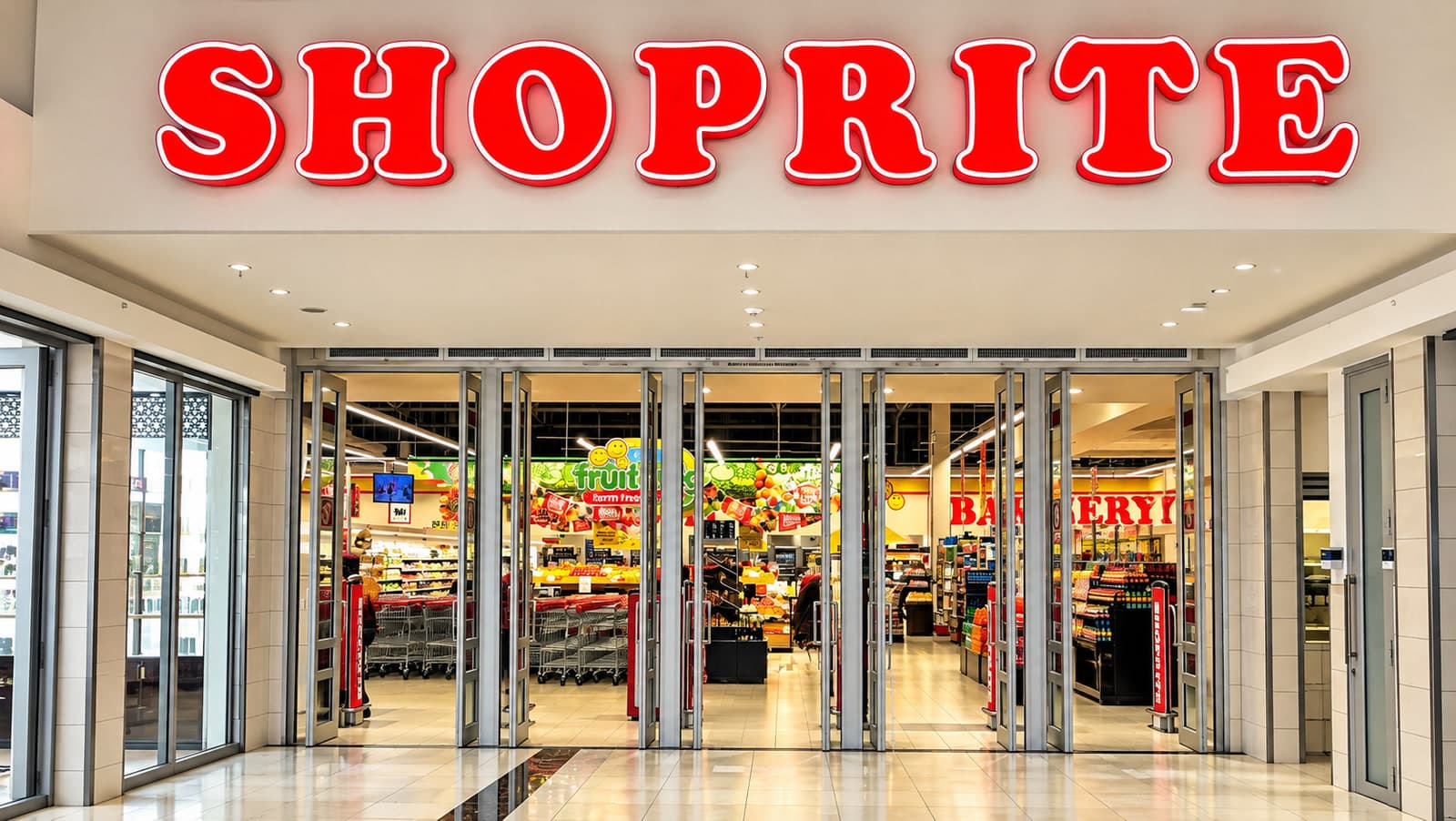
Shoprite Supermarket
Shoprite Nigeria has reopened three stores after temporarily shutting its operations to negotiate with suppliers and address outstanding financial obligations. The retailer is also planning to expand through smaller neighbourhood supermarkets as it works to reduce operating costs.
Adekunle Adebiyi, Executive Director of Investments at MBO Capital Management, an investor in Shoprite Nigeria, disclosed the developments during an interview on Nairametrics’ Drinks and Mics, reported on 24 October 2026.
“We took a very, very drastic decision to just shut everything down whilst we negotiated with suppliers. Now three stores are back open,” Adebiyi said.
The shutdown gave the business time to engage suppliers over its financial commitments. However, the company has not disclosed the full value of its outstanding obligations or provided a timetable for reopening additional stores.
Shoprite Targets Smaller Neighbourhood Stores
Shoprite Nigeria plans to open standalone neighbourhood outlets rather than depend primarily on large shopping malls. Adebiyi said the format would allow the retailer to concentrate investment on supermarket operations instead of committing substantial capital to property development.
The approach could also help the business manage expenses associated with large retail premises, including rent, electricity and diesel.
Adebiyi identified foreign-exchange volatility as a major source of financial pressure. At the time of the acquisition, about 17 of Shoprite Nigeria’s 28 stores had rental agreements denominated in US dollars. The naira’s depreciation increased the cost of those leases.
He said rent should generally account for around 8% to 10% of a supermarket’s revenue, although some Shoprite locations faced substantially higher costs.
Technology and Financing Add to the Pressure
The retailer has also faced challenges with inventory management and replacing the enterprise resource planning (ERP) system it previously accessed through its former parent company, Shoprite Holdings.
According to Adebiyi, replacing the system required billions of naira in additional investment, placing further demands on the company’s finances.
MBO Capital also encountered difficulties obtaining conventional bank financing during the acquisition. Adebiyi said lenders struggled to identify sufficient tangible assets to secure loans, despite the retailer generating billions of naira in revenue.
Supermarkets typically lease their premises and invest in equipment such as shelving and refrigeration rather than own the buildings they occupy. That structure can make it harder to secure asset-backed loans from lenders that prefer property or other fixed assets as collateral.
What the Shutdown Means for Startups and Suppliers
Shoprite’s supplier negotiations highlight the financial risks businesses face when supplying large retail chains, particularly when they depend on a small number of major customers.
For startups and small manufacturers supplying packaged food, beverages and other consumer goods, supermarket contracts can provide access to a large customer base. However, suppliers must often cover production, packaging and transport costs before receiving payment for delivered stock.
If a major retailer delays payments, businesses with limited cash reserves may struggle to replenish inventory, pay employees or fulfil orders for other customers. For startups still building their operations, a disruption involving a major retail customer can put additional pressure on working capital.
Shoprite has not disclosed whether its shutdown left suppliers with overdue invoices or identified any smaller businesses affected. The extent of the impact on its suppliers therefore remains unclear.
Recovery Plans Remain in Progress
Shoprite Holdings transferred its Nigerian operations to local investors in 2021, with the business subsequently operating under Retail Supermarkets Nigeria Limited through a franchise arrangement.
The Nigerian operation has faced pressure from rising operating costs and difficult trading conditions. In March 2026, the company said it was implementing a phased restructuring programme that began in August 2025.
The proposed neighbourhood-store model would give Shoprite a different approach to expansion, but the company has yet to announce how many outlets it plans to open, where they will be located or when the rollout will begin.