Senegalese Fintech Wave Enters DRC Mobile Money Market After 11-Year Licensing Gap
Senegalese fintech Wave has secured an electronic money licence in the Democratic Republic of Congo, becoming the country's fifth licensed operator and the first new entrant in more than 11 years. The approval gives Wave the authority to issue electronic money directly as it prepares to challenge established mobile money services M-Pesa, Airtel Money and Orange Money.
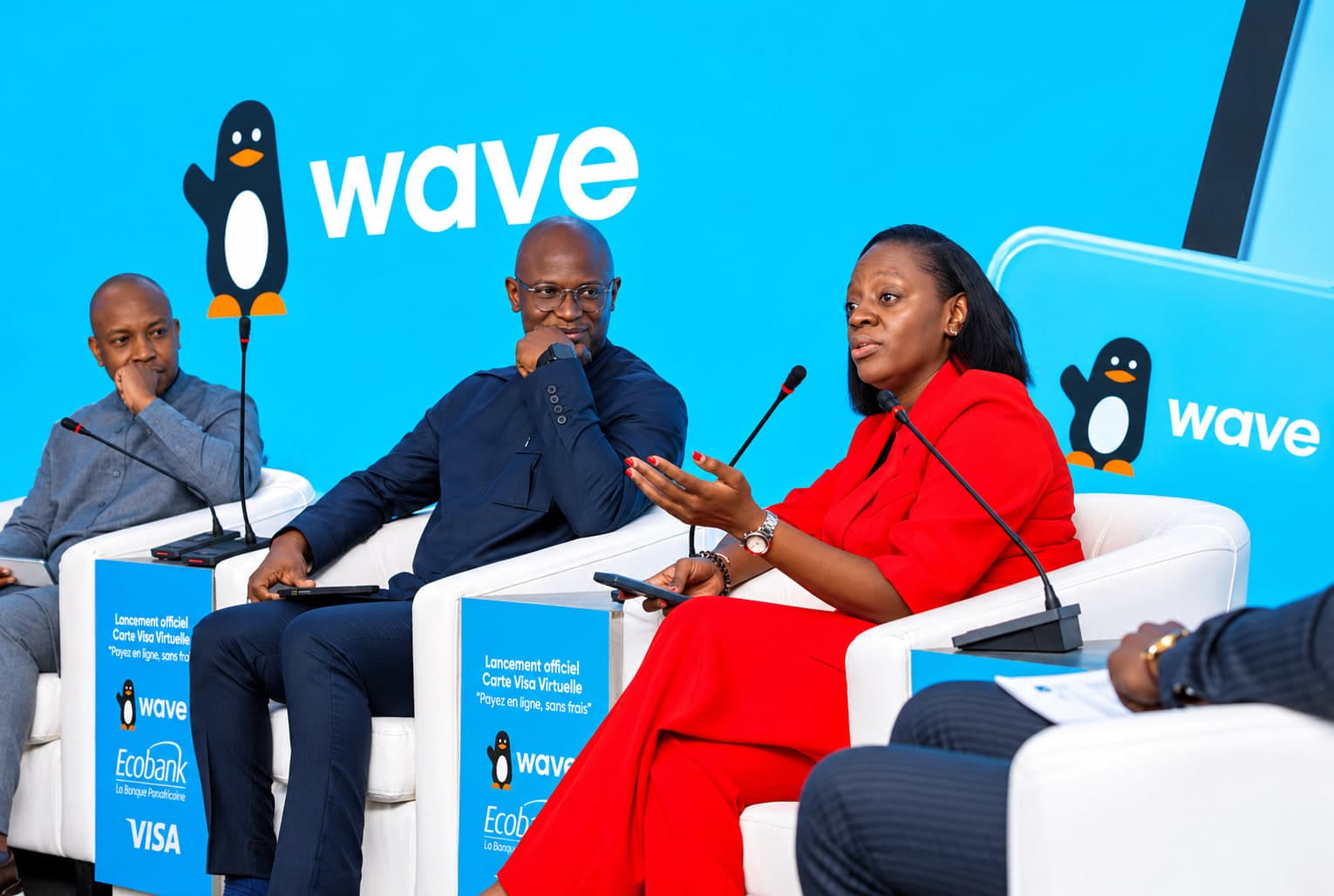
Wave Visa
Wave has secured an electronic money licence from the Central Bank of Congo, clearing a major regulatory hurdle for its entry into the Democratic Republic of Congo’s mobile money market, where four operators have dominated the licensed segment since 2015.
The central bank announced the approval on 18 November 2026, making Wave the fifth licensed electronic money institution in the country and the first new entrant in more than 11 years.
The authorisation allows Wave to issue, manage and distribute electronic money directly in the DRC. This gives the company an independent regulatory position in a market where established services include M-Pesa, Airtel Money and Orange Money.
The four existing operators received their approvals between 2012 and September 2015. Airtel Money and Orange Money entered in 2012, alongside Vodacash, the Vodacom subsidiary operating M-Pesa. Afrimobile Money received its licence in September 2015.
Wave targets transfers and small businesses
Wave says it intends to make money transfers more affordable and improve digital payment access for individuals and small businesses. Its proposed services will cover payments between customers and suppliers, while the company also intends to reach people who do not own smartphones.
That last point is important in a market where access to digital financial services cannot depend entirely on smartphone ownership. Wave says it will work with local partners and build teams and agent networks to serve customers across the country.
The company has not announced a commercial launch date, transaction fees or the size of its planned agent network.
Drew Durbin, Wave’s co-founder and chief executive, said the company wants to make transfers simpler and more affordable for Congolese customers. Jérémie Lukusa, managing director of Wave in the DRC, pointed to the cost of sending money between small businesses as one of the problems the service intends to address.
A different market from Senegal
Wave built its position in Senegal by offering low-cost mobile money transfers and expanding access through local agents. According to the 2025 annual report of the West African Monetary Union’s Banking Commission, cited by Agence Ecofin, the company held electronic money balances of CFA459.9 billion at the end of 2025, representing approximately 80.6% of the country's total.
Its entry into the DRC follows a different regulatory route from its expansion into Cameroon. There, Wave operates through a partnership with Commercial Bank Cameroun, which provides the authorised payment services. In the DRC, the central bank has granted Wave its own electronic money institution licence.
The opportunity is significant, but the company will face established competitors with existing customer bases and mobile money infrastructure. Their agent networks support cash deposits and withdrawals, services that remain important to customers who use mobile wallets alongside physical cash.
Wave now has regulatory approval, but it has yet to disclose when customers will be able to open accounts or how its fees will compare with those of M-Pesa, Airtel Money and Orange Money.