Rwanda puts $10,000 behind three businesses in its creative sector
A music rights company, an event platform and a third creative business have shared $10,000 in grants following a pitch competition in Rwanda.
Rwanda
A music rights company, an event platform and a third creative business have shared $10,000 in grants following a pitch competition in Rwanda.
DAJAH Music Group received $5,000, SINC Events secured $3,000 and Imagine We Creators was awarded $2,000. The winners were announced on 6 November during the first Rwanda-Israel Creative Industries and Technology Week.
AI-generated summary. It can miss nuance — read the full story above for the complete picture.
A music rights company, an event platform and a third creative business have shared $10,000 in grants following a pitch competition in Rwanda. DAJAH Music Group received $5,000, SINC Events secured $3,000 and Imagine We Creators was awarded $2,000. The winners were announced on 6 November during the first Rwanda-Israel Creative Industries and Technology Week.
The three businesses are working in different parts of the creative market, but they face a similar task: finding ways to make money from services that people will actually use. DAJAH Music Group is focused on an often complicated part of the music industry. It works in music publishing and rights administration, helping artists, songwriters, composers, record labels and other rights owners manage their music rights.
When a song is played, licensed or used commercially, someone has to keep track of the rights and make sure the relevant people receive payment. This is the business DAJAH is working in. Its $5,000 grant was the largest award in the competition. SINC Events, which received $3,000, is taking a different route. Its platform brings together event discovery, ticketing and event management.
“The more useful measure will be whether they can turn that support into paying customers and steady business income.”
For organisers, selling tickets is only one part of running an event. They also need to reach potential buyers, manage bookings and make sure customers can get into the venue without problems. SINC is looking to serve this market through one platform. The harder part will be building a regular user base. It needs organisers to list events and customers to make purchases through the service rather than relying on other channels.
Imagine We Creators received the remaining $2,000. Details about the company's services and business model were not included in the announcement, making it difficult to assess its current operations.
A market that needs more than creative talent
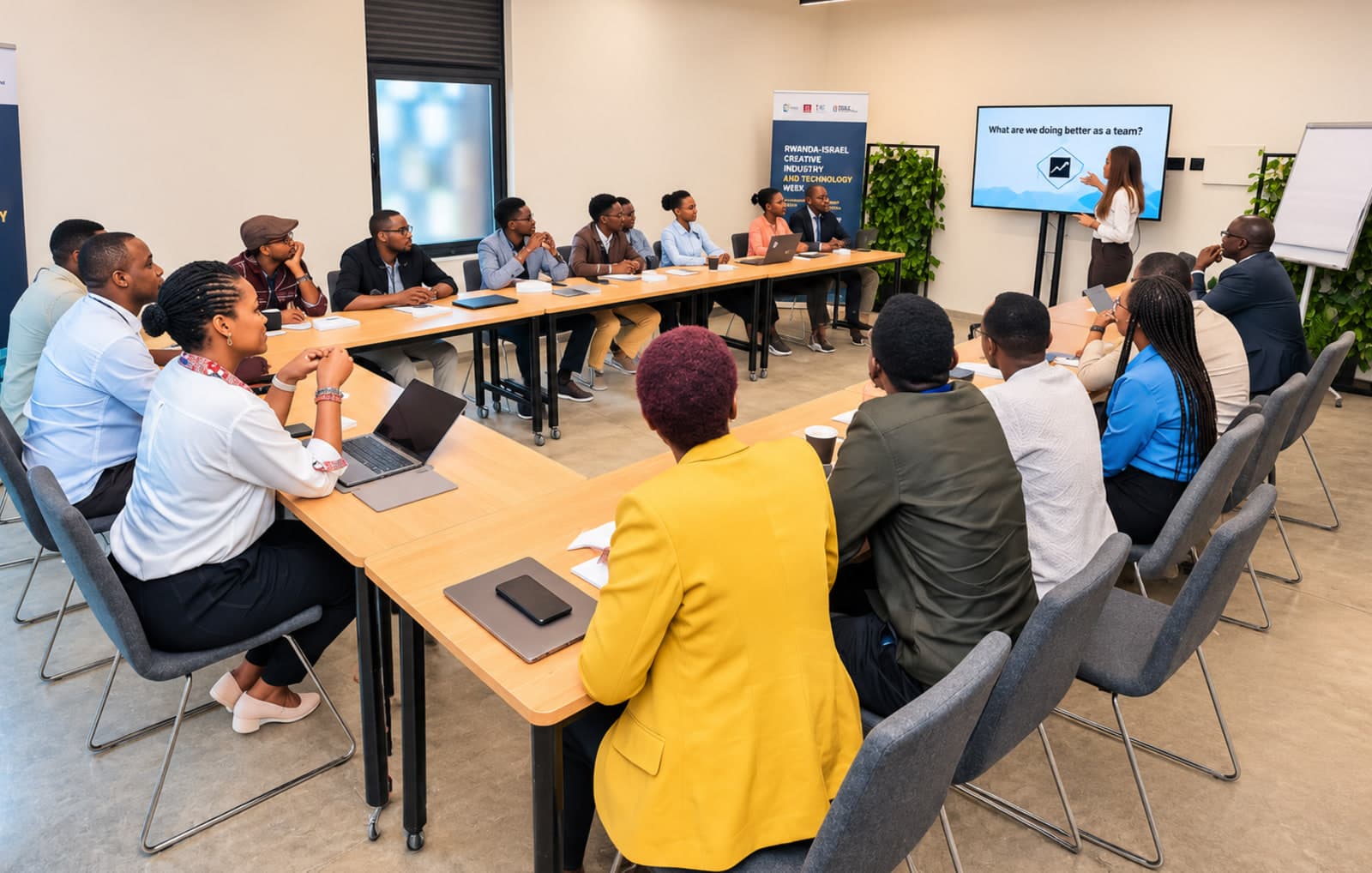
Nine businesses took part in the competition, representing areas such as music, film, events, publishing, fashion and e-commerce. The programme also included discussions on intellectual property, business models, regulation, investment readiness and revenue generation. These are not small details for creative businesses. They affect who owns the work, how it is sold and whether the business can keep operating once initial funding runs out.
Figures attributed to Rwanda's Ministry of Youth and Arts put employment in the creative sector at 174,387 people in 2023. The sector contributed RWF1,344 billion to the economy, or around 5.1% of GDP. The $10,000 awarded to the three businesses will not go far across an industry of that size. But it gives the winners some funding to work with. The more useful measure will be whether they can turn that support into paying customers and steady business income.