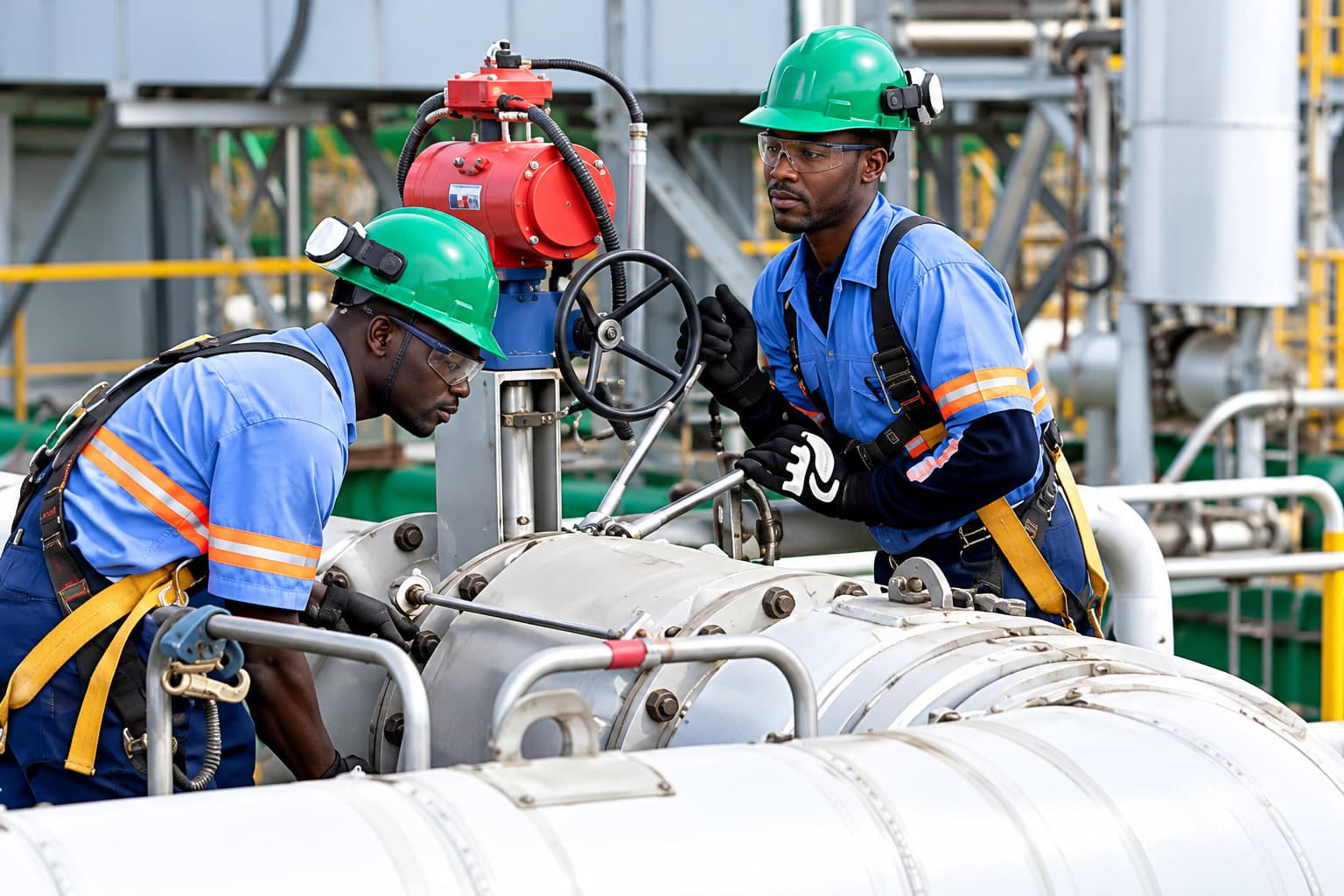
Sahara Group starts work on a new gas to power project in Nigeria
Nigeria is adding another gas-to-power project as it looks for more electricity to meet the needs of homes and businesses.

Sahara Pic
Nigeria is adding another gas to power project as it looks for more electricity to meet the needs of homes and businesses.
Sahara Group has broken ground on a new gas-to-power project in Nigeria. The project will use natural gas to generate electricity, although the company has not disclosed the plant's planned generation capacity.
The investment comes as electricity supply remains a problem for businesses across the country. Companies that cannot get enough power from the grid often have to run diesel generators to keep their operations going.
AI-generated summary. It can miss nuance — read the full story above for the complete picture.
Nigeria is adding another gas to power project as it looks for more electricity to meet the needs of homes and businesses. Sahara Group has broken ground on a new gas to power project in Nigeria. The project will use natural gas to generate electricity, although the company has not disclosed the plant's planned generation capacity. The investment comes as electricity supply remains a problem for businesses across the country. Companies that cannot get enough power from the grid often have to run diesel generators to keep their operations going.
Nigeria has the gas, but getting it to power plants is a problem
Nigeria has some of Africa's largest natural gas reserves and gas-fired plants already account for a large share of the country's electricity generation. But having gas reserves does not necessarily mean having enough electricity. Gas has to be produced, processed and transported to power plants before it can be used to generate electricity. When there are disruptions in the gas supply, power plants can reduce their output or stop generating altogether. The electricity then has to move through Nigeria's transmission network before it reaches distribution companies and, eventually, customers. This has been one of the reasons why adding new generation capacity has not always resulted in a similar increase in the amount of electricity available to businesses and households.
“Nigeria has the gas. The problem is getting it turned into reliable electricity for businesses and households.”
What the new project will do
Sahara Group's new project will add another gas fired source of electricity to Nigeria's power system. The company has not yet provided details on the project's generation capacity or when it expects the plant to begin producing electricity. Those details will be important because the amount of power the project can add will determine how significant it is for Nigeria's electricity market. The project also needs a dependable gas supply. A power plant can only generate electricity when it has the fuel required to run.
Why businesses care about more power
For many Nigerian businesses, unreliable electricity is not simply an inconvenience. It affects how much it costs to operate. A business that relies on generators has to pay for diesel, maintenance and repairs on top of its normal electricity costs. Larger companies can also spend heavily on backup power systems to avoid interruptions to production. More reliable grid electricity could reduce some of those costs, particularly for businesses that use a lot of power. But a new power plant alone does not guarantee that outcome. The electricity still needs to move through the grid and reach the areas where demand is highest.
Nigeria continues to rely on gas
Nigeria has been investing in gas fired generation for years because natural gas is one of the country's most readily available energy resources. The government has also been trying to increase domestic gas use instead of allowing more of the country's gas resources to remain underused or focused on exports. For power producers, gas offers a way to generate electricity when renewable sources such as solar are not producing enough power. Gas plants can also provide electricity at different times of the day, depending on demand and the availability of fuel. That has kept gas important to Nigeria's electricity plans even as the country adds more solar and other renewable projects.
The grid remains part of the problem
More generation is only useful if the electricity can reach customers. Nigeria's transmission and distribution networks have faced their own problems, including limited capacity, equipment failures and other infrastructure constraints. This means electricity generated by a new plant can still face delays or restrictions before reaching businesses and households. For Sahara Group, the next stage will be getting the project built and connected to the power system. For Nigeria, the question will be how much additional electricity eventually reaches customers. The new project adds more gas-fired generation to the country's electricity system, but its effect will ultimately depend on the gas supply, the plant itself and the network carrying the electricity to users.