Nigeria launches $275 million funding programme for small businesses
Nigeria launches $275 million funding programme for small businesses — what it actually costs, who it squeezes out, and the moves an early-stage founder can borrow this quarter.
Nigeria
Nigeria's small businesses are being asked to make costly changes to how they operate, from reducing generator use to upgrading production equipment.
AI-generated summary. It can miss nuance — read the full story above for the complete picture.
Nigeria's small businesses are being asked to make costly changes to how they operate, from reducing generator use to upgrading production equipment. But with limited access to affordable business finance, many operators cannot make those investments without putting pressure on their cash flow.
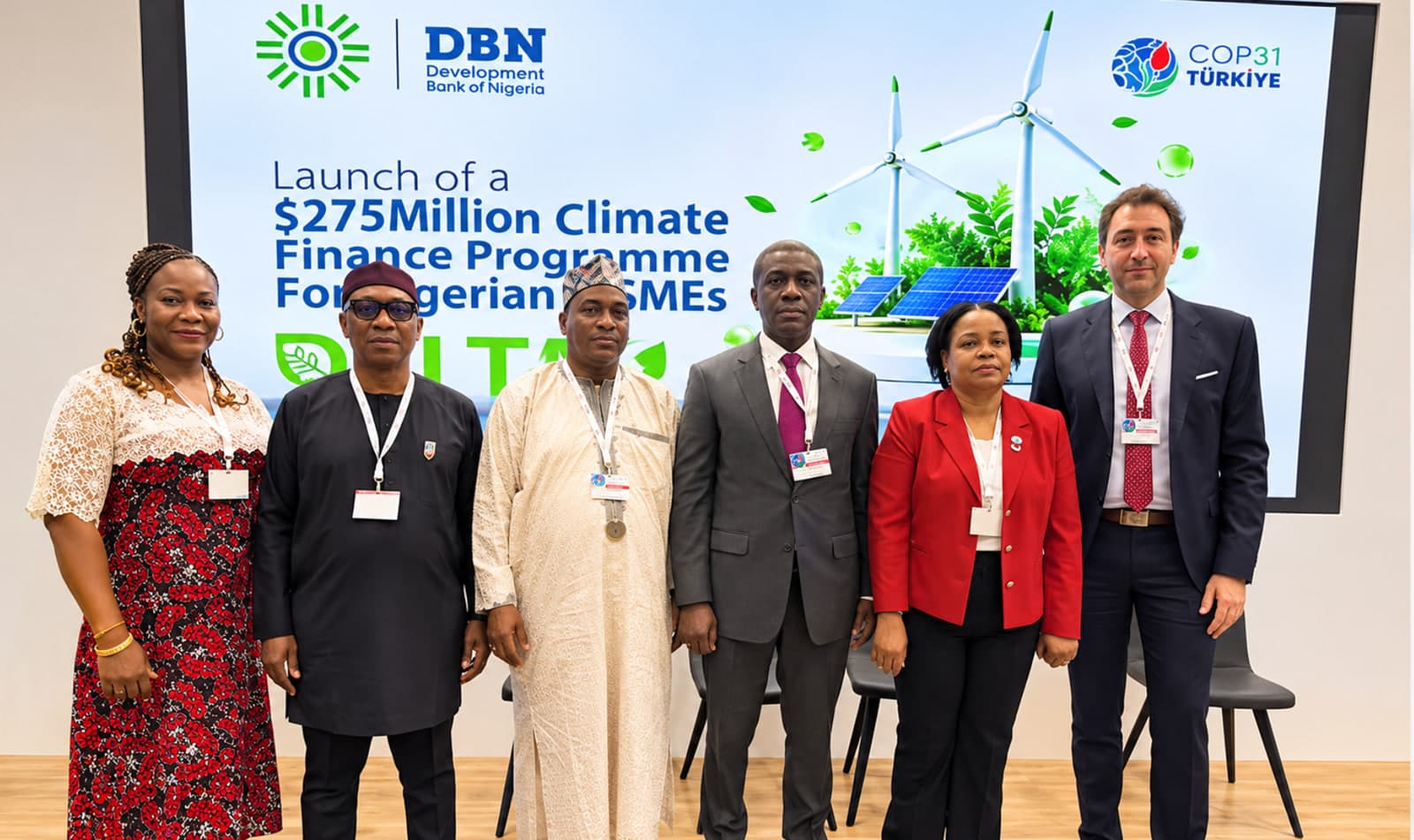
The Development Bank of Nigeria's new $275 million climate finance programme is intended to address this funding gap, giving smaller businesses access to capital for climate related improvements. The Development Bank of Nigeria (DBN) is introducing a $275 million climate finance programme aimed at micro, small and medium sized businesses. The funding is intended to help businesses invest in equipment and other improvements that reduce their environmental impact and make their operations more efficient.
The cost of doing business
Electricity remains a major expense for businesses across Nigeria. Many operators rely on generators to keep production going, adding fuel, servicing and repair costs to their monthly expenses. For a small manufacturer, these costs can eat into money that could otherwise go towards stock, salaries or expansion. Investing in energy efficient machinery, better storage facilities or alternative power sources could help, but the initial cost is often beyond what smaller businesses can afford.
"A business struggling to cover its monthly expenses is unlikely to take on expensive debt, even if the loan promises future savings."
Financing is still difficult to access
Getting a business loan is not always straightforward for smaller operators. Some lack the collateral banks require, while others do not have the financial records needed to support a loan application. This leaves many business owners relying on personal savings or whatever cash the business generates. The DBN programme is aimed at addressing the funding gap for businesses looking to make climate related investments. What remains unclear is how much individual businesses will be able to borrow, what interest rates will apply and how accessible the application process will be.
What will businesses actually get?
The success of the $275 million programme will depend on whether smaller businesses can get their hands on the money. A business already struggling to cover its monthly expenses is unlikely to take on expensive debt, even if the loan is intended to help it save money in the long run. There is also the question of which businesses will qualify.
Smaller operators outside major commercial centres should not be left out because they have limited access to banking services or formal financial records. For Nigerian SMEs, the announcement is worth watching. But what matters now is the lending structure and whether the funding will reach businesses that need to replace equipment, manage energy expenses and keep their operating costs under control.