Sun King joins Kenya’s smartphone financing race
Sun King is moving deeper into Kenya’s smartphone market, offering customers a way to pay for phones in small daily instalments.

Sun King Pic
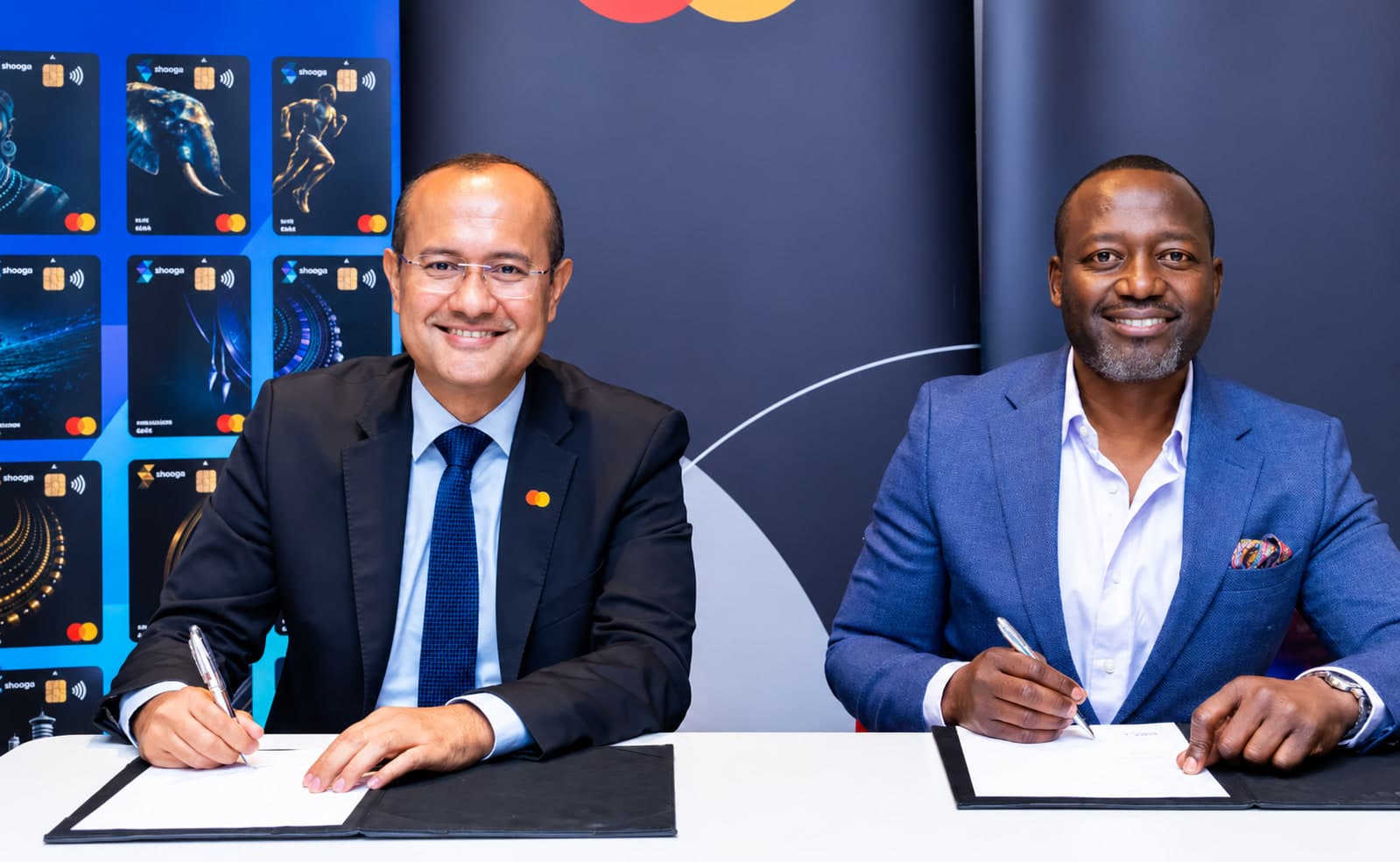
Sun King is moving deeper into Kenya’s smartphone market, offering customers a way to pay for phones in small daily instalments. The off-grid solar company has launched the EZ 3, its second branded smartphone in Kenya. Customers pay KES 2,299 ($18) upfront and then KES 55 ($0.43) a day for 365 days. By the end of the repayment period, they will have paid KES 22,374 ($173). The phone is not available for outright purchase. Customers sign a financing agreement and pay for it over the year. “A good phone should not need a large sum of money on one single day. Most people do not have that,” Victor Agandi, Sun King’s vice president for PayGo in East and Southern Africa, said at the launch. “But almost everyone can manage a little each day.”
AI-generated summary. It can miss nuance — read the full story above for the complete picture.
Sun King is moving deeper into Kenya’s smartphone market, offering customers a way to pay for phones in small daily instalments. The off-grid solar company has launched the EZ 3, its second branded smartphone in Kenya. Customers pay KES 2,299 ($18) upfront and then KES 55 ($0.43) a day for 365 days. By the end of the repayment period, they will have paid KES 22,374 ($173). The phone is not available for outright purchase. Customers sign a financing agreement and pay for it over the year. “A good phone should not need a large sum of money on one single day. Most people do not have that,” Victor Agandi, Sun King’s vice president for PayGo in East and Southern Africa, said at the launch. “But almost everyone can manage a little each day.”
Sun King already has a PayGo business in Kenya
Sun King has been in Kenya since 2009, when it operated as Greenlight Planet. The company started by selling off-grid solar products through instalment payments. Over the years, it built a large network of agents across the country and says one in five Kenyan households has access to a Sun King product. Smartphones are now being added to that business. The company is using a payment model that customers already know from its solar products, but applying it to a device that many people use every day.
“A good phone should not need a large sum of money on one single day. Most people do not have that.”
It started making smartphones locally
The move into smartphones comes after Sun King set up a manufacturing operation in Kenya. In October 2025, the company opened a factory in Tatu City, north of Nairobi. The facility can produce up to 700,000 units a year and assembles smartphones and solar-powered televisions. The factory gives Sun King a local base for making some of the products it sells in Kenya, rather than relying entirely on imported finished devices.
The EZ 3 is cheaper than Sun King’s first phone
Sun King launched its first branded smartphone, the EZ 1, in February. It required a KES 2,999 ($23) upfront payment and KES 60 ($0.46) a day. The EZ 3 brings both payments down. It has a 6.75-inch display, a 5,000mAh battery, 4GB of RAM and 64GB of storage. Sun King is also financing phones from other manufacturers.
There are other phones on the list
The company's catalogue includes the Tecno Pop 10, which requires KES 2,799 ($22) upfront and KES 55 ($0.43) a day for 364 days. The Infinix Smart 10 has the same payment terms. The Samsung A06 requires KES 2,899 ($22) upfront and KES 60 ($0.46) a day. So customers are not limited to Sun King's own phones. They can also choose from brands they may already be familiar with.
M-KOPA and Watu are already financing phones
Sun King is entering a market where smartphone financing is already common. M-KOPA sells its own smartphones as well as Samsung devices. Customers can pay daily, weekly or monthly, depending on the financing plan. Watu also finances smartphones, including Samsung devices, through its connectivity business. The company is better known for financing motorcycles and tuk-tuks, which make up a bigger part of its business. Sun King already has something these companies need for this model: a large agent network and years of experience collecting small PayGo payments. But M-KOPA and Watu have already built relationships with customers who buy phones this way.
The phone can be locked if payments stop
Sun King's financing system is tied to the phone. Customers can make payments through the phone's lock screen, the Sun King app, SIM Toolkit or USSD. The phone stays unlocked as long as payments are up to date. If a customer stops paying, Sun King can lock the device. This kind of system is common among companies that finance phones. It gives them some control over the device when a customer stops making payments. It has also led to people trying to get around the restrictions. Kenyan authorities have previously dealt with cases involving financed phones being flashed or having their IMEI numbers changed to remove the locks.
The phone can also be a business tool
For many small businesses, a smartphone is more than a communication device. Business owners use phones to talk to customers, receive payments, keep records, track stock and manage sales. A 2025 GSMA report found that 86% of male and 79% of female micro-entrepreneurs used mobile phones for business in 2024. A 2026 study by the International Growth Centre also found that using a smartphone-based point-of-sale app helped small businesses in Nairobi with record-keeping, inventory management and daily sales. That makes the ability to spread the cost of a phone more relevant for someone who needs the device for work but cannot afford to pay the full amount at once.
Sun King is making the phone payment smaller
The EZ 3 does not change how smartphone financing works in Kenya. It gives customers another option, with a lower upfront payment and a KES 55 daily repayment. For someone who can manage KES 55 a day but cannot easily find KES 20,000 or more at once, that difference matters. Sun King already has the agents, payment system and local manufacturing operation. It is now putting those pieces behind smartphones, in a market where M-KOPA and Watu have already been financing devices for years.