Lagos brings 11 more electric buses into its public transport plans
Lagos has received 11 more electric buses from Oando as it works towards a 552-bus fleet. The bigger task will be building the charging, maintenance and technical support needed to keep them running across the city.
Lagos
Lagos has received 11 more electric buses from Oando as it works towards a 552-bus fleet. The bigger task will be building the charging, maintenance and technical support needed to keep them running across the city.
AI-generated summary. It can miss nuance — read the full story above for the complete picture.
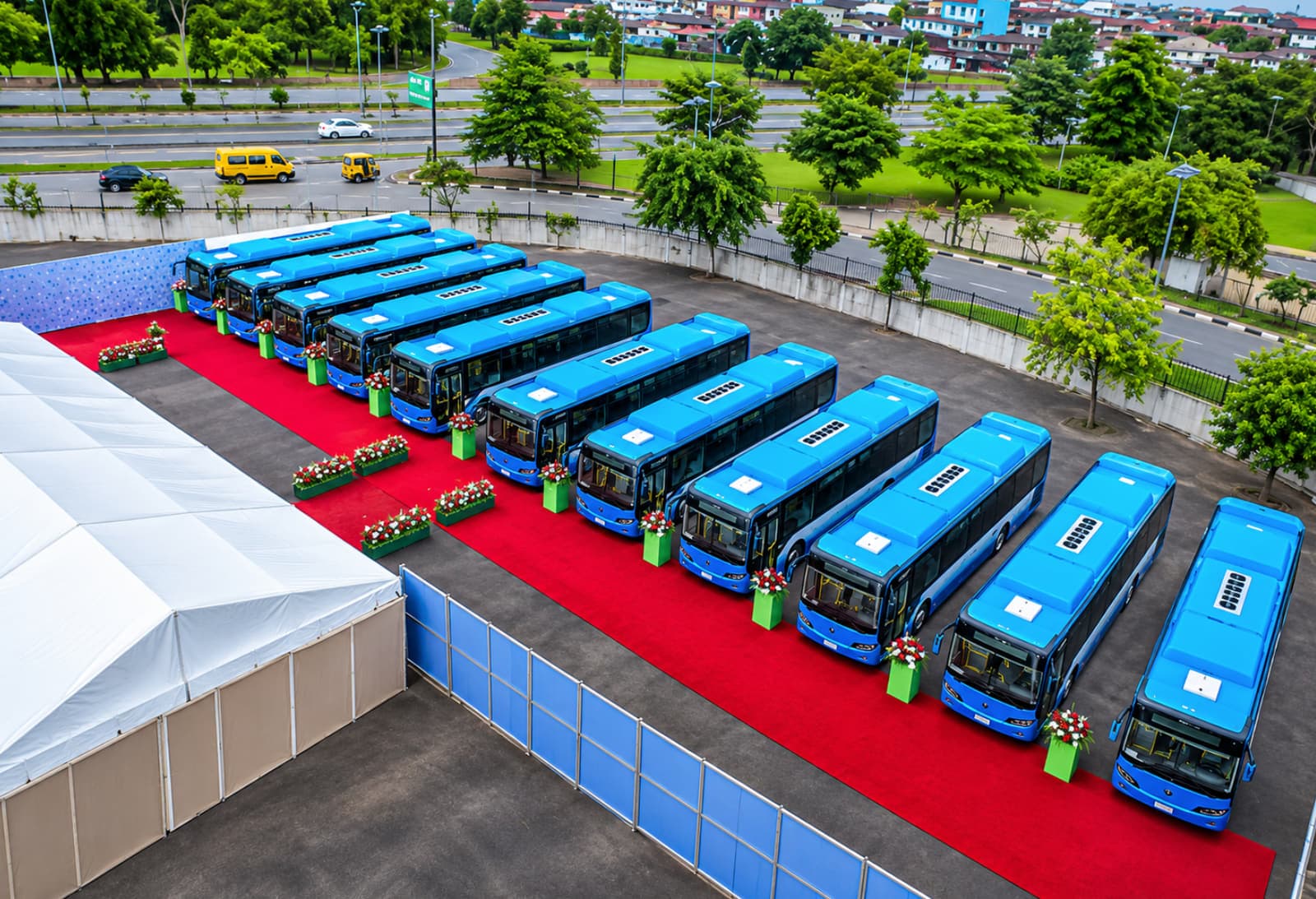
Lagos is adding more electric buses to its public transport network, with Oando Clean Energy Limited delivering 11 vehicles to the Lagos Metropolitan Area Transport Authority (LAMATA). The delivery is part of a planned 50-bus rollout, although the state's longer-term target is considerably bigger. Lagos wants to build an electric bus fleet of 552 vehicles.
The city has already had two electric buses in operation since May 2023. Oando says they have carried about 788,000 passengers and covered 433,000 kilometres. The company estimates that this has avoided the consumption of around 216,000 litres of diesel. Those numbers give Lagos some experience to work with, but running two buses is very different from managing hundreds across a busy city where public transport demand is high.
The buses are only part of the investment
“The bigger challenge is not getting electric buses onto Lagos roads. It is having the charging facilities, technical skills and spare parts to keep them running every day.”
The new vehicles come from Chinese manufacturer Yutong. Each bus can carry up to 79 passengers, with 39 seats and standing room for another 40 people. Passengers will have access to air conditioning, Wi-Fi, security cameras and wheelchair facilities. The buses are expected to enter service in the fourth quarter of 2026. LAMATA will oversee their operations.
But there is another side to this investment that will receive less attention than the buses themselves. Electric vehicles need charging facilities, trained mechanics and a dependable supply of replacement parts. Oando says it is working on these requirements, including mechanic training, charging infrastructure, after-sales support and plans for local vehicle assembly. Yutong is also expected to provide technical assistance and spare parts.
A new market for Nigerian suppliers
The expansion could bring business to companies that might not normally be involved in public transport operations. Electrical contractors, charging equipment suppliers, battery specialists and vehicle maintenance companies could find opportunities as Lagos increases its electric bus fleet. There is also a skills issue. Mechanics who have spent years working on diesel engines will need additional training to service electric drivetrains and battery systems. For local businesses, the question will be whether they can build the technical capacity to support these vehicles instead of leaving most of the work to foreign suppliers.
Diesel operators face a changing market
Lagos is also tightening its approach to diesel buses in the regulated public transport system, while encouraging operators to consider electric and compressed natural gas vehicles. This could affect businesses that own and operate passenger transport fleets. Replacing diesel buses is an expensive exercise, and electric vehicles bring their own costs. Lower fuel and some maintenance expenses may make electric buses attractive over time, but operators still have to pay for the vehicles, electricity, charging equipment and eventual battery replacement. The financial case will depend on how frequently the buses operate and how much it costs to keep them running.
Can Lagos keep the buses moving?
The immediate task is to get the 11 new vehicles into service and make sure the supporting infrastructure is ready. The bigger challenge comes if Lagos moves ahead with its 552-bus ambition. That would require a much larger charging network, more trained technicians and a reliable parts supply. There is also the passenger question. Electric buses must provide a dependable service and fit into the daily transport needs of people who rely on buses to get to work and move around the city.
For Nigerian businesses, the rollout is worth watching for what happens beyond the vehicle deliveries. The charging, servicing and supply contracts could become an important part of the electric transport market. Lagos has started putting more electric buses on the road. Now it needs to show that it can run them at a scale that makes financial and operational sense.