Johannesburg tests electric buses, but SMEs could be part of the next phase
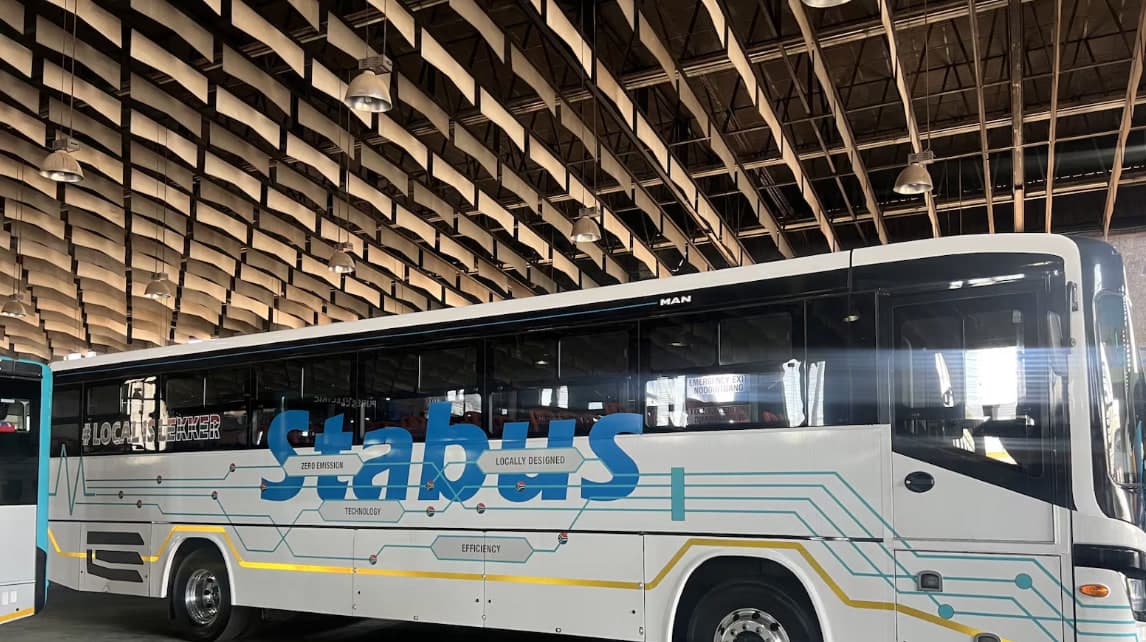
Johannesburg is testing electric buses on its roads as Metrobus looks at what it would take to add them to its fleet. The trial will run for 30 to 60 days and involves Metrobus and industry partners.
EV Bus
Johannesburg is testing electric buses on its roads as Metrobus looks at what it would take to add them to its fleet. The trial will run for 30 to 60 days and involves Metrobus and industry partners. The buses will operate on normal Johannesburg routes, giving the operator a chance to see how they perform during daily service. That means traffic, passenger loads, long routes and frequent stops will all form part of the test.
AI-generated summary. It can miss nuance — read the full story above for the complete picture.
Johannesburg is testing electric buses on its roads as Metrobus looks at what it would take to add them to its fleet. The trial will run for 30 to 60 days and involves Metrobus and industry partners. The buses will operate on normal Johannesburg routes, giving the operator a chance to see how they perform during daily service. That means traffic, passenger loads, long routes and frequent stops will all form part of the test.
The daily commute will be the test
Metrobus will need to see how much charge the buses use during a normal shift. A full bus will put different demands on the battery than one carrying fewer passengers. Traffic, air conditioning and the route itself will also affect energy use. The operator will also have to see how often the buses need to return to a depot to charge. These details matter because an electric bus needs to complete its route and fit into the existing timetable.
Charging creates another business opportunity
The move could create work for smaller businesses if Johannesburg eventually expands its electric bus fleet. SMEs could potentially supply and install charging equipment, electrical components and related infrastructure. Others could provide maintenance, software, vehicle monitoring, cleaning and technical support. There could also be opportunities for businesses that already work in electrical services, fleet management and vehicle maintenance to add electric-vehicle services to what they offer. But those opportunities will depend on how Metrobus structures future procurement and which suppliers are appointed.
It could change the cost of running a bus
Electric buses can have lower energy and maintenance costs than diesel buses. They also cost more upfront and require charging infrastructure. For Metrobus, the important figure will be the total cost of keeping a bus on the road. That calculation also matters to SMEs that operate around public transport. Changes in fleet technology can affect suppliers, workshops, parts businesses and other companies that earn money from maintaining and supporting buses.
SMEs could also face new costs
The shift is not automatically good news for every small business. A workshop that mainly services diesel vehicles, for example, may need new skills and equipment if more electric buses enter the fleet. Parts suppliers could also see demand change as electric buses have fewer conventional mechanical components. Training will become important. Electric drivetrains, batteries and high-voltage systems require different knowledge from traditional diesel engines.
The trial comes first
The 30 to 60 day trial does not mean Johannesburg is about to replace its diesel buses. Metrobus first needs to find out how the buses perform on its routes and what is required to operate them. For SMEs, the outcome could be just as important. If electric buses become a larger part of Johannesburg's fleet, some existing businesses may need to adapt while new suppliers could find opportunities around charging, maintenance, software and electrical services. For now, the city is still testing whether the buses can handle the job