Founder Fridays
Most businesses begin with market research and an assessment of what is already obvious in the market. For Teboho Kwetepane, entrepreneurship started with a simple observation: some of the resources around him had value, but they were not being processed or presented in ways that could unlock that value.

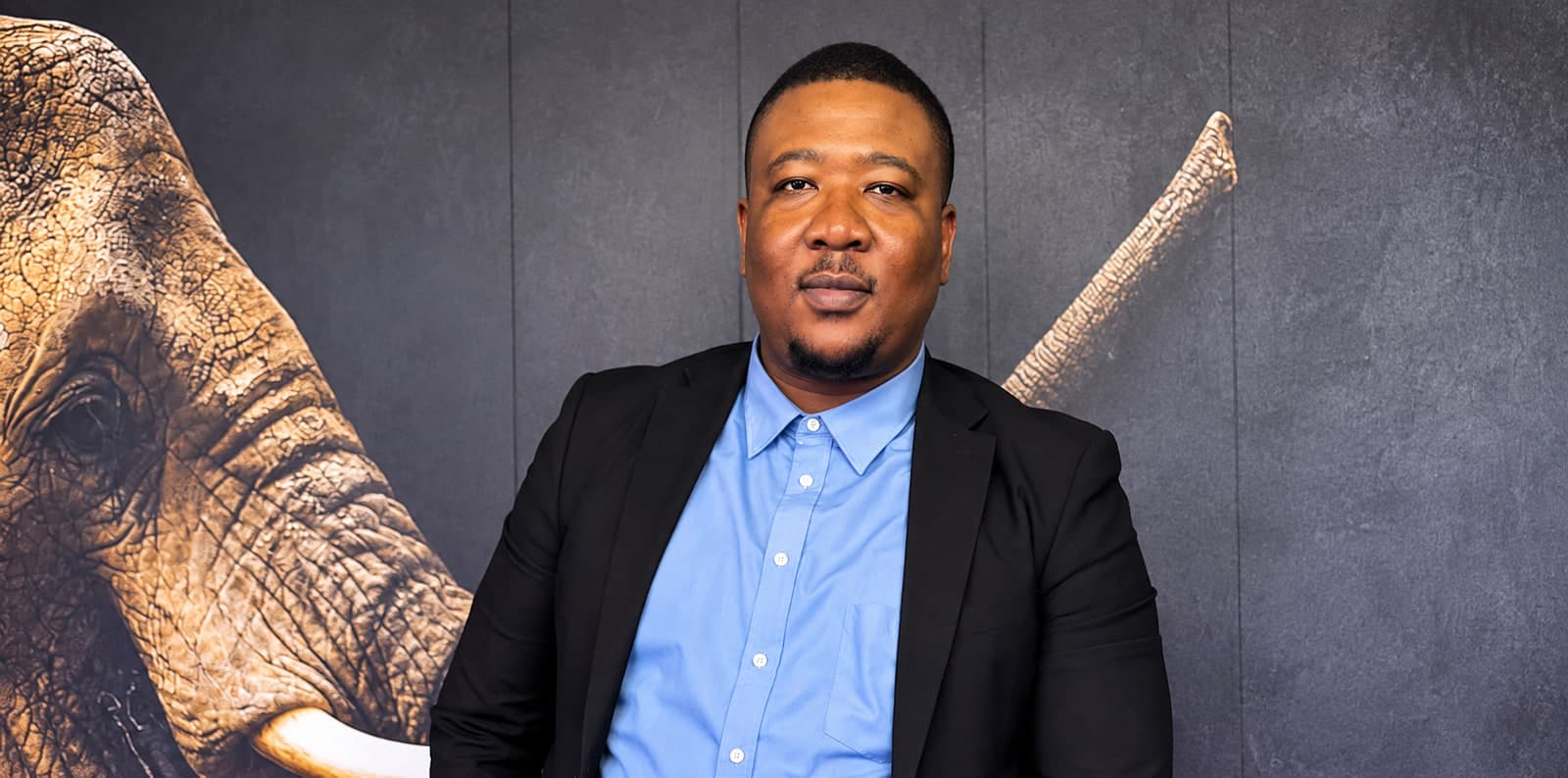
Toboho Kwetepane
Most businesses begin with market research and an assessment of what is already obvious in the market. For Teboho Kwetepane, entrepreneurship started with a simple observation: some of the resources around him had value, but they were not being processed or presented in ways that could unlock that value.
That thinking has shaped Doctor Kwetepane’s Creatives, an agro-processing business built around local African agricultural produce and the potential to turn it into modern, convenient food products.
Teboho’s journey began while helping his father prepare natural remedies and later experimenting with moringa as a university student. Today, his work includes moringa, Bambara and other locally available crops, while his ambitions extend into technology, youth entrepreneurship and rural business development.
From Student Experiments to a Business
Teboho’s original business idea was not agro-processing.
While studying at the University of Limpopo, he was interested in digital marketing. His direction changed as he helped his father work with natural remedies.
The traditional process involved using a mortar and pestle, which Teboho found too labour-intensive. That pushed him to look for ways to improve the process and eventually led him to experiment with moringa-based products.
At that stage, Teboho was not thinking about building a formal company.
As a student, he used part of his grant to support the venture. He also took on odd jobs and offered graphic design services to raise additional money, putting whatever he could back into the business.
The company was eventually registered in 2019, although it took more time before Teboho began treating it as a full-time commercial operation. Even the name has a personal history. “Doctor” started as a nickname given to him by fellow students and eventually became part of his business identity.
Bringing Local Crops Into Modern Foods
Moringa gave Teboho a starting point, but he wanted to develop products with broader nutritional and commercial potential.
That led him to Bambara, a protein rich local crop, which he combined with moringa. Honey was added to improve the taste and make the formulation more appealing to consumers.
Teboho’s interest in these crops is closely tied to how he sees African agricultural produce being positioned in the market.
“Many crops grown within African communities have nutritional and commercial value but remain positioned mainly as traditional foods instead of products that can compete in modern markets,” he says.
That thinking has influenced Doctor Kwetepane’s Creatives’ focus on products such as instant porridge and other convenient foods made from locally available agricultural produce.
For Teboho, the opportunity lies in improving how these crops are processed, packaged and introduced to consumers.
Learning to Build a Business
Building the company while studying forced Teboho to learn entrepreneurship through experience.
A major part of that development came through ALX, where he joined the Founders Academy before progressing to its Venture Accelerator programme.
At the time, Teboho was handling much of the business himself. He manufactured products, attended training sessions and completed assignments while travelling between Limpopo and Johannesburg.
The financial pressure was real. Teboho recalls travelling to Johannesburg while selling products along the way to help cover his costs.
ALX introduced him to areas that were not previously central to his business, including websites, customer relationship management, data analytics and digital tools.
One of his biggest lessons was learning to use data to make business decisions.
The company began looking at consumer preferences, market behaviour and product performance instead of relying mainly on assumptions. That information also helped Teboho engage with farmers by communicating what the market needed and what products and quantities were required.
Turning Rural Challenges Into Opportunities
Teboho’s experience of building a company in a rural environment has shaped the way he approaches problems.
Internet connectivity has been unreliable, while energy challenges have affected operations and equipment. The COVID-19 pandemic created additional pressure and forced him to reconsider how the company operated.
Last-mile delivery presented another challenge.
Poor roads and dispersed customers can make conventional distribution difficult in rural and township areas. Teboho responded by developing a smaller distribution model that allows customers to purchase products in smaller quantities and participate in distributing them within their communities.
The model gives the company another route to customers while opening opportunities for people who want to participate in distribution.
“A challenge in one part of the economy can create an opportunity somewhere else,” Teboho says.
Building and Managing a Team
As Doctor Kwetepane’s Creatives grew, Teboho realised he could not keep trying to do everything himself. The business now has three full-time employees and two interns, but getting to that point meant learning to let go of some control and trust his team to take on more responsibility.
Trying to handle everything eventually led to burnout. Advice from former ALX mentor Nicole Gray helped Teboho change his approach, leading him to develop standard operating procedures and give employees more responsibility.
Teboho sees exposure as an important part of developing his team, taking employees to agricultural exhibitions where they can encounter new technologies, businesses and ideas outside their normal roles. His goal is to build a team that contributes ideas and takes ownership of its work as the company develops.
A Five-Year Vision Beyond Agro-Processing
Teboho’s plans extend beyond food production. He wants Doctor Kwetepane’s Creatives to eventually develop into an entrepreneurship academy focused on practical learning.
The idea is to give young people opportunities to work with real problems and develop solutions that can be applied within their communities.
The company is also developing its digital capabilities while keeping agro-processing at the centre of the business.
Teboho says the long-term plan includes exploring other industries, including the automotive sector, as the company develops its wider digital and creative platform. He also wants to contribute to rural industrialisation by creating business hubs where young people can develop products, build companies and find employment closer to home.
Recognition Along the Journey
Teboho’s work has received recognition from both his community and entrepreneurship organisations.
Members of his community nominated him for a National Presidential Award for MSMEs, where he was recognised in the social and real entrepreneur category.
Teboho also highlights recognition through the Multiple Foundation Golden Circle, which he says reinforced his view that commercial sustainability can exist alongside social and environmental value.
The community nomination carried particular meaning because the recognition came from people who had seen his work first-hand.
Advice for Other Entrepreneurs
When asked what he would tell young entrepreneurs working with limited funding, resources and opportunities, Teboho returned to a principle that has shaped his own journey:
“Let your pain push you to your greatness.”
The philosophy comes from his own experience of building a business while dealing with financial pressure, rural infrastructure challenges and the demands of learning entrepreneurship as he went.
“Entrepreneurship starts with identifying a problem and being willing to work through the difficulty of solving it,” Teboho says.
He also believes young entrepreneurs can benefit from learning from people who have already faced similar challenges instead of trying to build everything alone.
His journey began with a university student experimenting with moringa in rural Limpopo. Today, Teboho wants Doctor Kwetepane’s Creatives to become a platform for local agricultural products, youth opportunities, technology and rural enterprise, with the long-term goal of showing what can be built from within rural communities.