Mercuria backs Zambia power projects with $250m investment
A $250 million investment is going into Zambia's power sector as the country tries to add more electricity and strengthen the network that moves it around.
Mercuria
A $250 million investment is going into Zambia's power sector as the country tries to add more electricity and strengthen the network that moves it around. Energy investor Exergy and commodities trader Mercuria signed the deal in Lusaka on 25 September.
AI-generated summary. It can miss nuance — read the full story above for the complete picture.
A $250 million investment is going into Zambia's power sector as the country tries to add more electricity and strengthen the network that moves it around. Energy investor Exergy and commodities trader Mercuria signed the deal in Lusaka on 25 September.
The money will support projects being developed by Exergy's Lunzua Power Company and Lusitu Transmission and Distribution Company. Some of the projects are already being developed, while others still need regulatory approval. It is a sizeable investment in a country where electricity demand is being pushed higher by mining, manufacturing and other businesses.
Zambia wants to reach 10,000MW of generation capacity by 2031. That means adding power plants, but it also means expanding the network that carries electricity to customers. That second part matters to smaller businesses as much as it does to large companies.
“For a small business, an unreliable power supply quickly becomes a money problem.”
The lines matter too
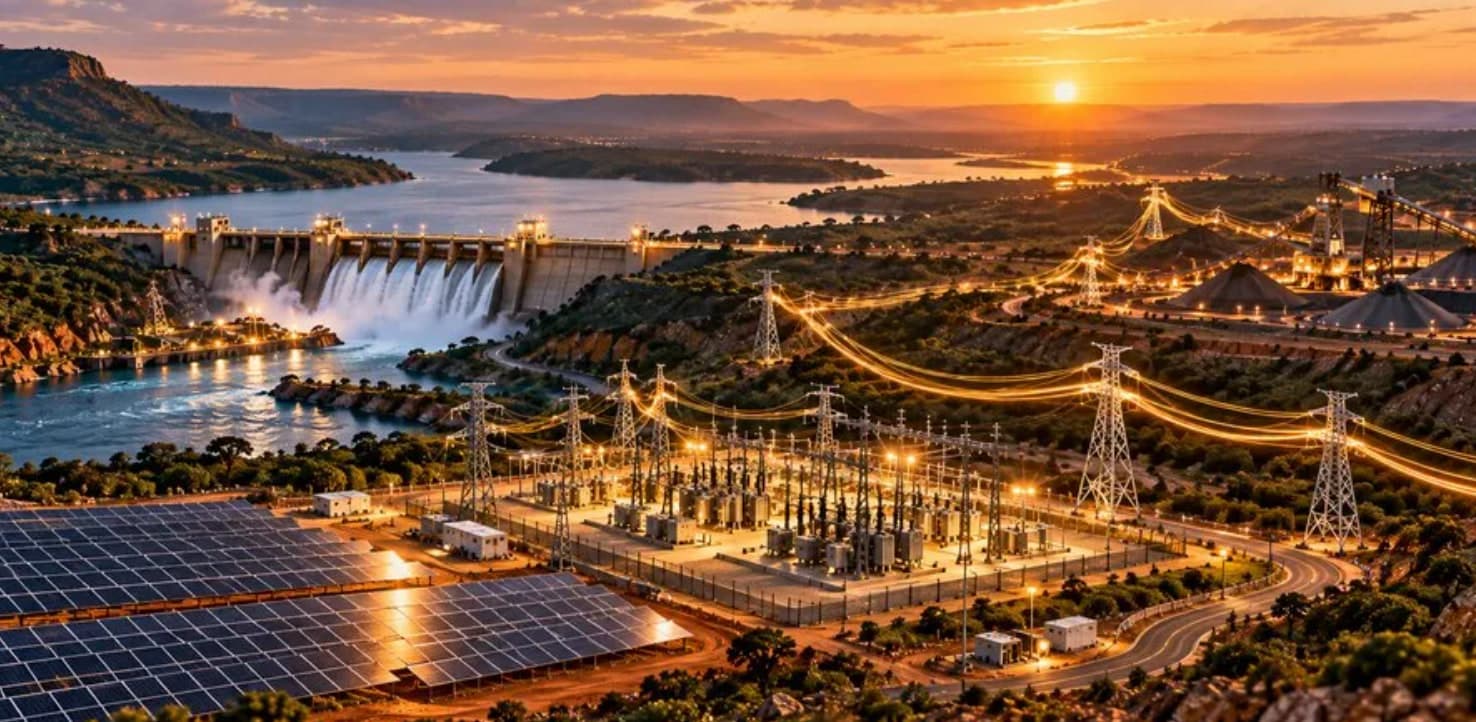
Lusitu is working on transmission and distribution infrastructure, while Lunzua is focused on generation. The investment therefore covers several parts of the electricity system rather than one new power station. Zambia is also part of the Southern African Power Pool, giving it access to a regional electricity market. Its position in the region also gives cross-border transmission projects a commercial purpose.
Exergy has another business, Kanona Power Company, which trades electricity. Mercuria brings experience in international energy markets. The company says it will provide market knowledge, trading capabilities and risk-management expertise as part of the partnership.
What it could mean for SMEs
For a small business, an unreliable power supply quickly becomes a money problem. A bakery cannot produce bread if its ovens are down. A hair salon loses appointments when its equipment cannot run. A small manufacturer may have to delay orders when machinery stops. Shops also have to think about refrigeration, security systems, computers and internet equipment.
Many businesses deal with this by buying fuel for generators, investing in inverters or installing solar systems. Those solutions can keep a business operating, but they also add another expense. If additional generation and transmission capacity eventually improves the reliability of Zambia's electricity supply, SMEs could spend less time and money dealing with interruptions.
There could also be an effect on businesses that supply the energy projects themselves. Construction companies, electrical contractors, transport operators, equipment suppliers and other local businesses can pick up work when large infrastructure projects are built. Once the projects are operating, there can also be demand for maintenance, repairs and other services.
But the $250 million does not automatically translate into cheaper electricity or fewer outages for every small business. The actual benefit will depend on where the infrastructure is built, how much additional electricity reaches the grid and whether the improvements reach areas where smaller businesses operate.
Mining is only part of the demand
Zambia's mining industry uses large amounts of electricity, but it is not the only source of growing demand. Manufacturers, farms, shops, service businesses and new industrial projects all need a reliable supply. For SMEs, reliability can be particularly important because they generally have less room in their budgets to absorb unexpected costs.
A larger company may be able to maintain substantial backup-generation capacity. A small workshop or retailer may not have that option. That makes investment in transmission and distribution relevant even when a project is not located directly in an SME's neighbourhood.
Zambia's regional opportunity
The investment also fits into Zambia's position in the regional electricity market. Exergy is developing transmission infrastructure that could improve electricity links between Zambia and markets further north and east.Better connections can make it easier to move electricity between countries when one market has a shortage and another has spare capacity.
For Zambia's businesses, the practical benefit will come down to what happens after the investment is made. More power generation is useful. Getting that power reliably to a small manufacturer, shop, farm or workshop is what turns new capacity into a business benefit. The $250 million puts money behind both sides of that equation, but the projects will still need to be built, connected and brought into operation before businesses start seeing the difference.