Ghana Shortlists Seven Investors for Proposed $600 Million Keta Port
Ghana has shortlisted seven companies from 47 applicants to help develop its proposed commercial port at Keta in the eastern Volta Region.
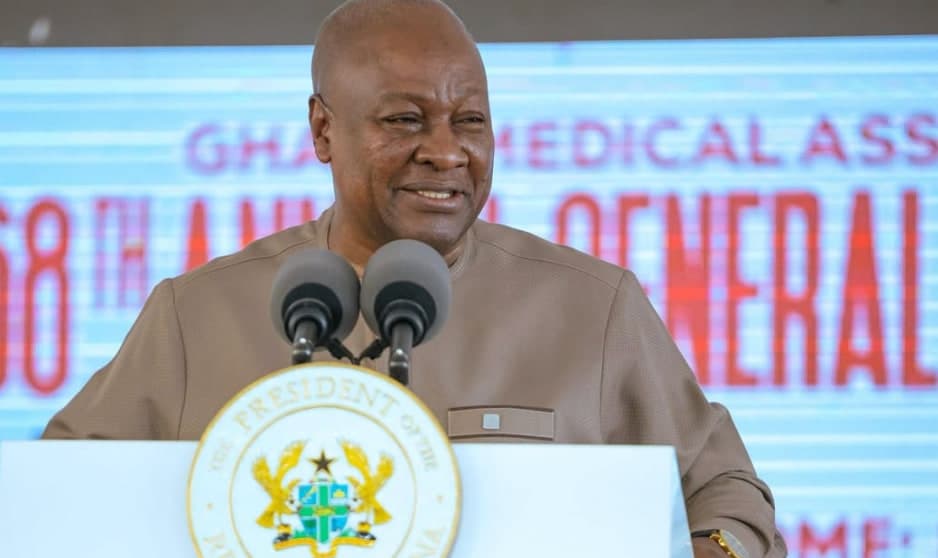
Ghana President
Ghana has shortlisted seven companies from 47 applicants to help develop its proposed commercial port at Keta in the eastern Volta Region. The selected companies are expected to work alongside the Ghana Ports and Harbours Authority (GPHA) on the project's final design studies and financing arrangements.
According to local media reports citing President John Dramani Mahama over the weekend, the shortlist marks another step towards developing a new port on Ghana's eastern coastline. The project is intended to expand the country's maritime infrastructure and strengthen its position along Gulf of Guinea trade routes.
Keta would enter a competitive market that already includes major ports at Lomé, Tema, Abidjan and Cotonou. Its location close to the Togolese border could give Ghana another route to attract regional cargo, particularly from neighbouring and landlocked countries.
The scale of that competition is clear. Lomé handled 2.4 million twenty-foot equivalent units (TEUs) in 2025, compared with approximately 2.2 million TEUs at Tema, where investment is continuing to expand cargo-handling capacity.
A Third Commercial Port for Ghana
Keta would complement Ghana's existing commercial ports at Tema and Takoradi. The proposed development includes container terminals, facilities for bulk commodities and terminals serving the oil and gas industry. A shipyard for vessel repairs and maintenance is also under consideration.
The development is planned in phases. The first phase was estimated at approximately $600 million when feasibility study findings were presented in November 2021. It would establish the initial port infrastructure, with the wider master plan incorporating a port city, roads, railway connections, residential areas and recreational facilities.
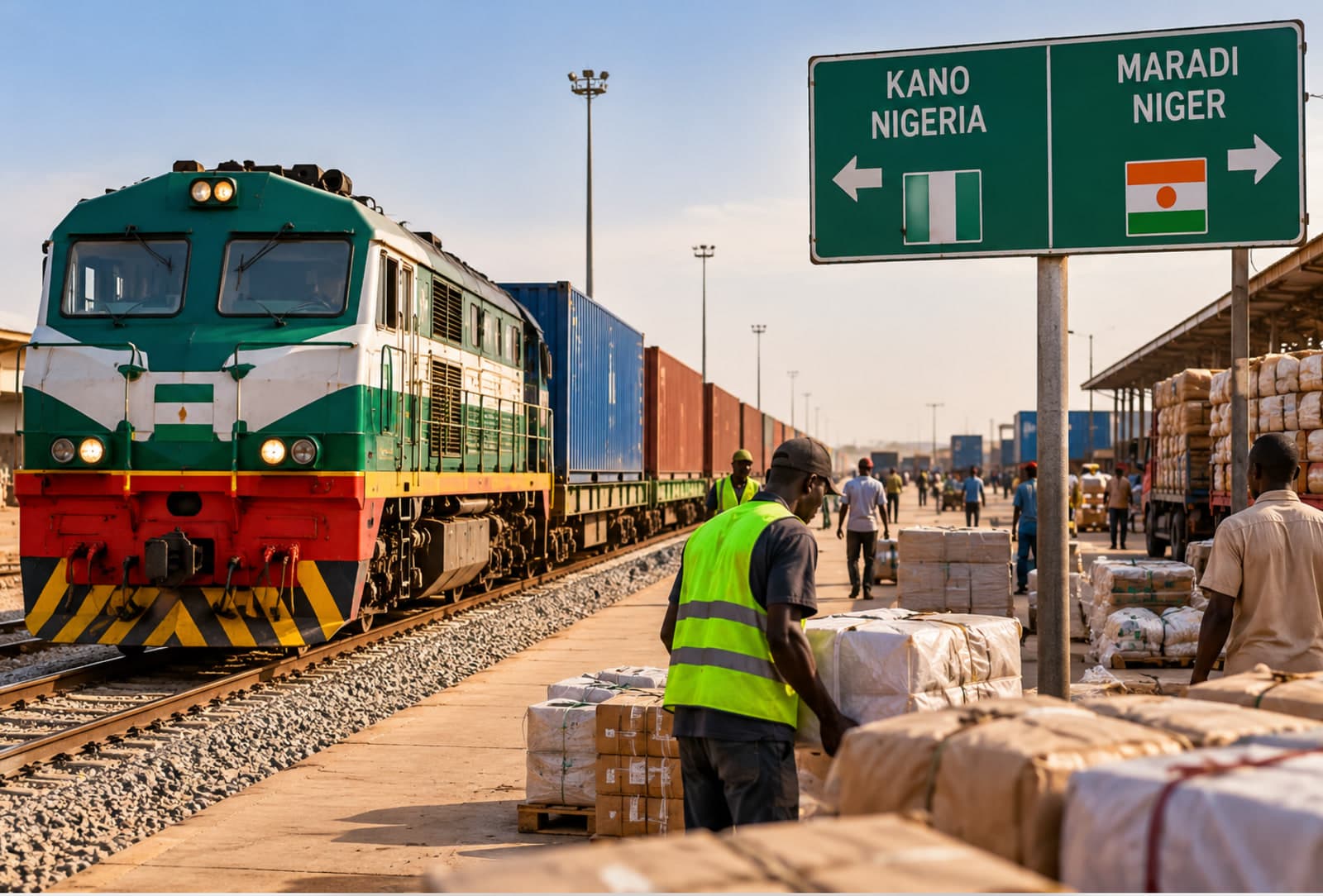
The GPHA also sees Keta as a potential transit hub for landlocked Sahel countries, including Burkina Faso, Mali and Niger. These markets depend on access to coastal ports for international trade and already use established routes through neighbouring countries.
Financing and Regional Competition
The shortlist does not mean construction financing has been secured. The seven companies must still work through the project's design and investment arrangements, including their respective roles, financial commitments and responsibilities for developing the facilities.
The original $600 million estimate also dates back to 2021. Construction costs, infrastructure requirements and other project assumptions will need to be reviewed before the first phase moves forward.
Keta will also have to offer shipping lines and cargo owners a commercial reason to use it instead of established regional ports. Port charges, cargo-handling efficiency, channel depth and reliable road and rail links to inland markets will influence its ability to attract traffic.
Keta's proposed role as a transit hub for Burkina Faso, Mali and Niger will also put it in direct competition with established routes through neighbouring countries. Its access to these landlocked markets will depend heavily on the road and railway links connecting the port to inland destinations.