$100m railway funding could change how goods move between Nigeria and Niger
A $100 million financing deal for the Kano-Maradi railway is one of the more practical parts of a new $390 million funding package approved by the ECOWAS Bank for Investment and Development (EBID).
Railway
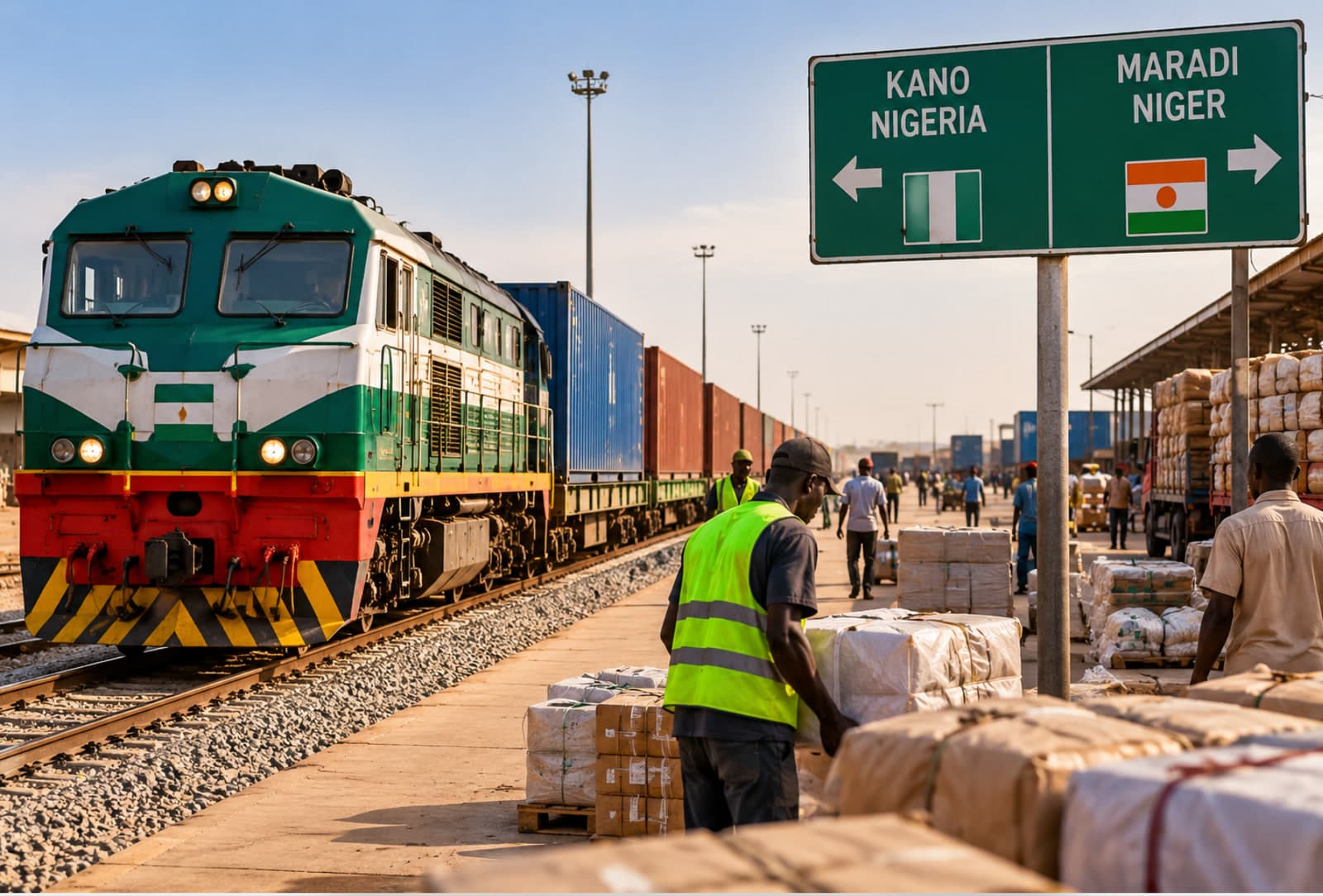
A $100 million financing deal for the Kano-Maradi railway is one of the more practical parts of a new $390 million funding package approved by the ECOWAS Bank for Investment and Development (EBID). The money will go towards the second phase of the railway in Nigeria, including rolling stock and operational equipment.
AI-generated summary. It can miss nuance — read the full story above for the complete picture.
A $100 million financing deal for the Kano-Maradi railway is one of the more practical parts of a new $390 million funding package approved by the ECOWAS Bank for Investment and Development (EBID). The money will go towards the second phase of the railway in Nigeria, including rolling stock and operational equipment.
The railway is being built to connect Kano in northern Nigeria with Maradi in Niger, creating another route for moving people and goods between the two countries.For businesses, the interesting question is fairly simple: will it make moving goods cheaper and easier? That matters in a region where traders and distributors often depend heavily on trucks.
Trucks carry the cost
“For businesses, the real question is whether the railway can make moving goods cheaper and more reliable.”
A business moving goods from Kano towards Niger has more to pay for than the goods themselves. There is fuel, the truck, the driver, loading and unloading, maintenance and the cost of dealing with delays. For a small wholesaler or trader, those costs can eat into the margin quickly. Rail could take some of the heavier loads off the roads, particularly where businesses are moving large quantities over longer distances.
But it will not eliminate road transport. A bag of grain, a pallet of food or a shipment of manufactured goods still needs to get from the railway station to the customer. That means trucking companies could end up playing a different role rather than simply losing business.
The smaller businesses are around the railway
A new railway creates work outside the tracks. Goods arriving at a station need to be stored, loaded, unloaded and delivered. Businesses need mechanics, security, transport, warehousing and other services. A small logistics company could, for example, move goods from a rail terminal to shops or warehouses.
A warehouse operator could take in larger shipments and break them into smaller deliveries. For businesses already operating around Kano and other trading centres, the railway could change how they organise those movements. The key is whether the service is reliable and competitively priced.
Cross-border trade is the bigger issue
The Kano-Maradi connection matters because Maradi is an important commercial centre in Niger. A better transport link between the two markets could make it easier for traders to move products across the border. But a railway cannot fix border delays by itself. Customs procedures, roads, storage facilities and other parts of the supply chain still have to work. If a shipment reaches the border quickly but sits there for days, the railway has only solved part of the problem.
The rest of the $390m is spread across different sectors
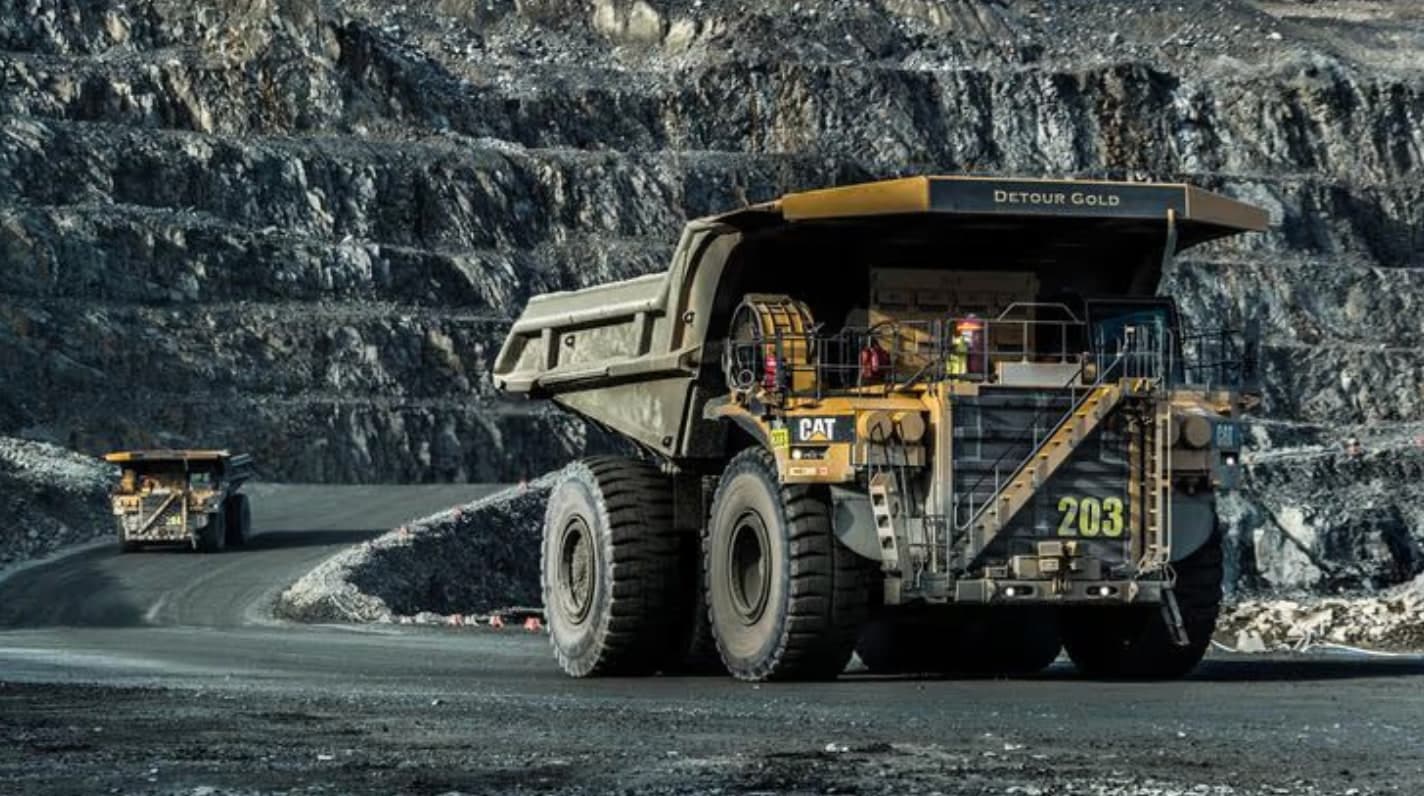
The railway is only one part of EBID's latest financing approvals. The bank has committed $230 million to Ghana's Black Volta Gold Project, $50 million for petroleum-product supply in Ghana, and $10 million for climate-smart agriculture covering Ghana, Senegal and Togo. The projects are different, but they all involve spending that can feed into local supply chains.
A mining operation needs equipment, transport and engineering services. Agricultural projects need machinery, irrigation and other inputs. Petroleum distribution needs storage and logistics. For smaller businesses, the money becomes relevant when they start supplying those projects.
Financing is only the first step
There is a tendency to look at a figure such as $390 million and assume the economic impact is already there. It isn't. The financing still has to turn into equipment orders, construction work, contracts and eventually operating businesses. For the Kano Maradi railway, the next question is what the new rolling stock and equipment means for the actual service.
If trains can move goods reliably and at a cost that makes sense for traders, businesses have a reason to use them. If they cannot, many traders will continue using the trucks they already know. That is what will determine whether the $100 million railway investment changes business along the Nigeria-Niger corridor.