Four lenders put $105 million into Zanaco to finance Zambian SMEs
Zanaco is getting $105 million from four international lenders to increase business lending in Zambia. The facility will target smaller companies, women entrepreneurs and businesses in the agricultural sector.
Zanaco
Zanaco will receive $105 million from four international lenders as it looks to increase financing for small businesses in Zambia. The funding comes from Swedfund, FinDev Canada, Norway's Norfund and Citibank.
AI-generated summary. It can miss nuance — read the full story above for the complete picture.
Zanaco will receive $105 million from four international lenders as it looks to increase financing for small businesses in Zambia. The funding comes from Swedfund, FinDev Canada, Norway's Norfund and Citibank. It will be channelled through Zanaco, which will use the money to extend loans to micro, small and medium-sized enterprises (MSMEs).
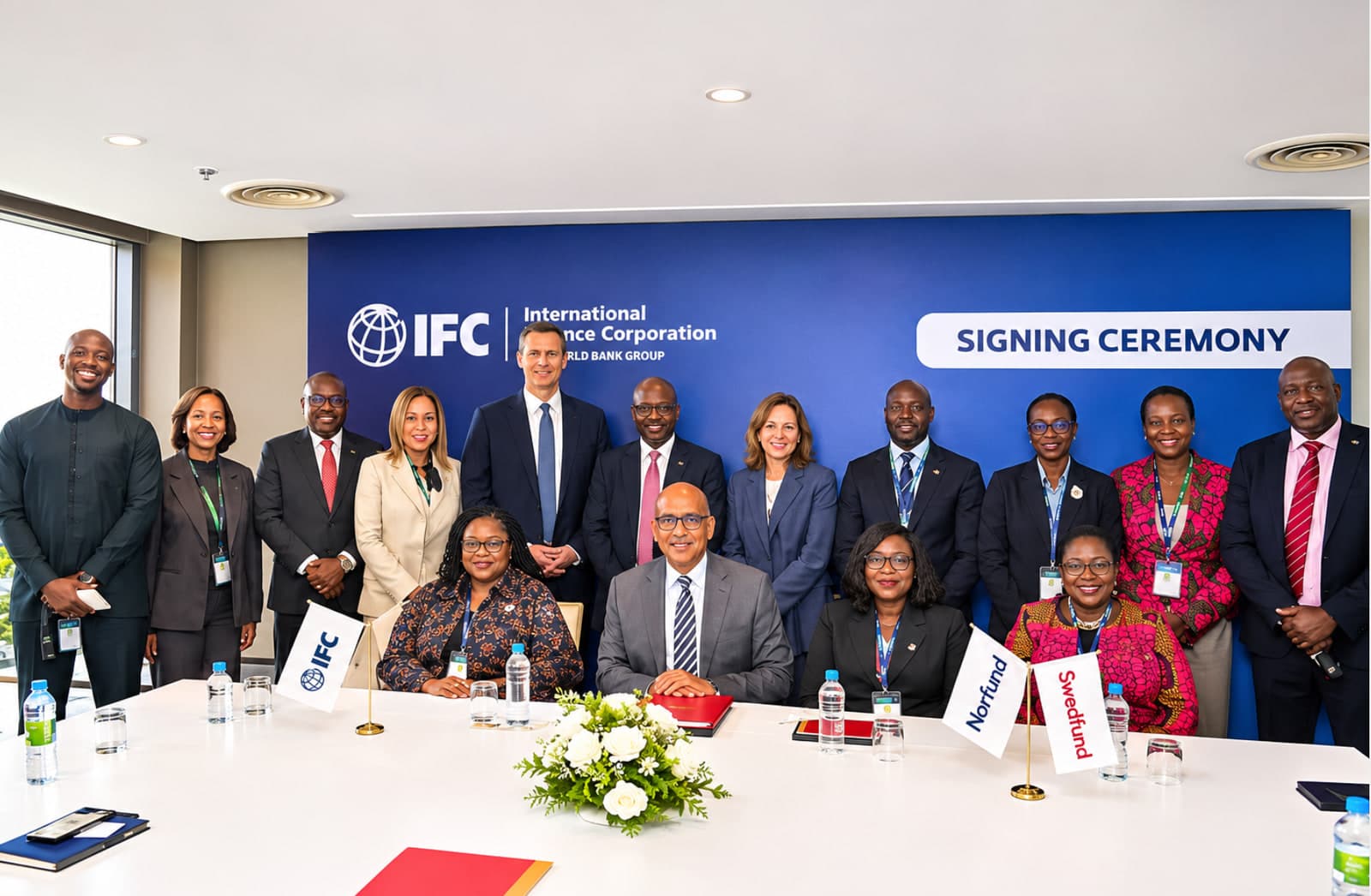
Swedfund and FinDev Canada are each providing $35 million. Norfund is contributing $25 million, with Citibank putting in the remaining $10 million and coordinating the arrangement. The agreement was signed in Lusaka on 18 November. Women-owned businesses, women-led enterprises and smallholder farmers are among the intended beneficiaries.
Agricultural businesses are part of the lending plan
"The amount available to the bank is one thing; being able to qualify for a loan at a manageable cost is another."
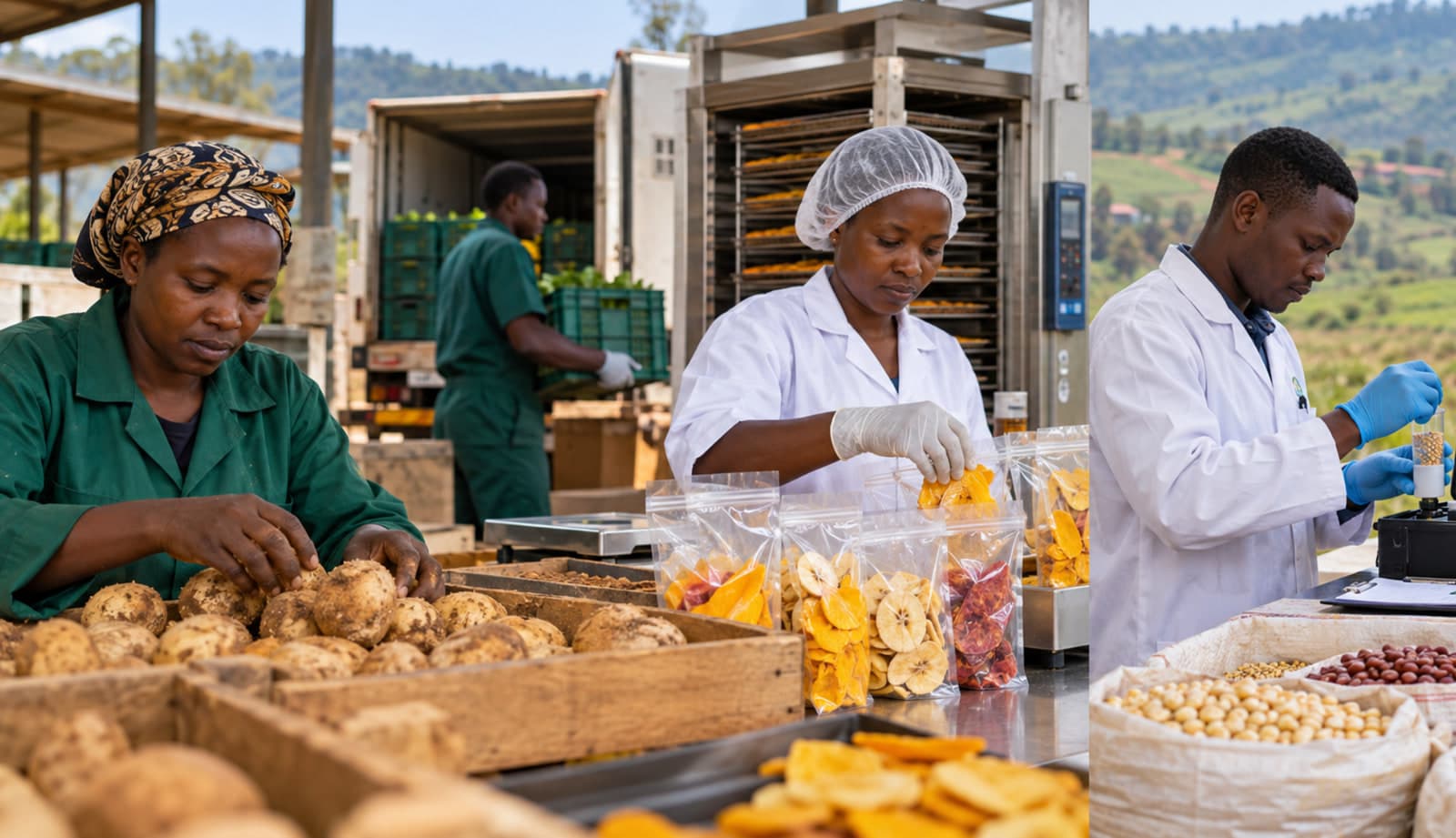
A portion of the funding is intended for businesses involved in agriculture, including smallholder farmers. Access to finance can be particularly difficult for smaller agricultural operators. Farmers need money to purchase seed, fertiliser and equipment, often well before they receive payment for their produce. Food processors and distributors face their own costs, including buying stock, storage and transport.
Women owned businesses are also a target for the facility. These companies often need financing to purchase equipment, employ additional staff or increase stock levels. The lenders have not provided a breakdown of how much will go to each group. Zanaco has also not published the loan sizes, interest rates or repayment periods that will apply.
Why the funding is going through a Zambian bank
The four institutions are not lending directly to individual businesses. Instead, they are putting the money through Zanaco, which already has a lending operation and a customer base across the country. The bank has 64 branches covering all ten Zambian provinces. It serves individual customers, businesses and corporate clients, giving it an existing network through which to distribute the funding.
For the international lenders, this arrangement provides a route into Zambia's smaller business market without having to establish their own local lending operations. FinDev Canada's $35 million contribution is its first direct investment in Zambia. Swedfund's contribution is backed by an EU guarantee through the MSME Platform Plus Programme.
How the $105 million is funded
The financing is shared between four institutions:
| Investor | Contribution |
|---|---|
| Swedfund | $35 million |
| FinDev Canada | $35 million |
| Norfund | $25 million |
| Citibank | $10 million |
| Total | $105 million |
The arrangement brings together development finance institutions from Sweden, Canada and Norway, alongside Citibank.
Government also plans a small business guarantee scheme
The Zanaco financing comes as Zambia prepares another initiative aimed at improving access to business finance. At the signing ceremony, Trade and Exports Minister Caroline Katotobwe referred to the proposed K5 billion Small Business Guarantee Scheme included in the 2027 National Budget. The scheme is intended to help businesses finance machinery, increase production, improve product quality and prepare goods for domestic and export markets. Katotobwe also called on Zanaco to make sure the new funding reaches businesses that can use it to expand their operations.
Will smaller businesses qualify?
The size of the financing deal is significant, but the lending conditions will determine which businesses actually benefit. A small manufacturer looking for money to buy machinery will need a repayment period that gives the investment time to generate income. A farmer may need a loan structured around the agricultural season rather than fixed monthly repayments. Collateral requirements could also exclude businesses that have been operating for years but do not own substantial assets. Zanaco has yet to disclose the specific lending terms or how the $105 million will be allocated.
For business owners, those details will be more important than the headline figure. The amount available to the bank is one thing; being able to qualify for a loan at a manageable cost is another.