African startups raised $923m before shutting down. Investors recovered just $5m that can be traced
Twenty African startups raised $923 million before shutting down, but only $5 million in investor returns has been identified. The Africa Failure Index examines 20 major collapses in Kenya, Nigeria and Ghana, raising questions about investor oversight, expansion decisions and the lack of public information on what happened to the money.
African startups
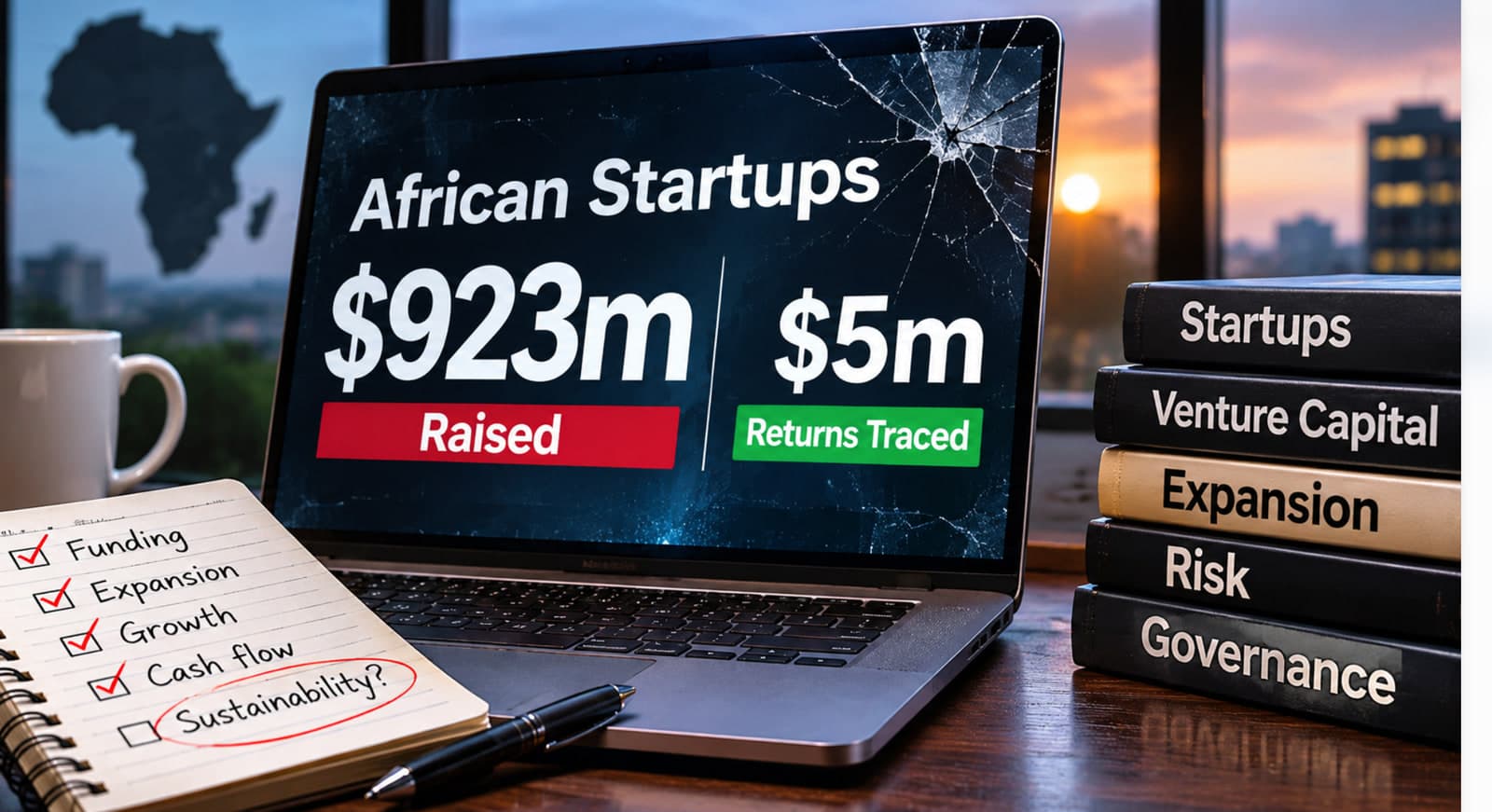
Some of Africa's best-funded startups are no longer operating. Between them, 20 companies in Kenya, Nigeria and Ghana raised $923 million. A new report has been able to identify just $5 million returned to investors.
AI-generated summary. It can miss nuance — read the full story above for the complete picture.
Some of Africa's best-funded startups are no longer operating. Between them, 20 companies in Kenya, Nigeria and Ghana raised $923 million. A new report has been able to identify just $5 million returned to investors. The companies include Twiga Foods, Copia, Koko Networks, Mobius Motors, 54gene, MarketForce and Kippa. They attracted millions from venture capital firms and other investors, but their businesses eventually ran into trouble.
The figures come from the Africa Failure Index, which examined how much these companies raised and what could be established about their financial position when they closed. There is a gap in the information. The report could not establish recovery amounts for 15 of the 20 companies. It therefore does not claim that $918 million was lost. It shows that very little information about investor recoveries is publicly available.
The biggest failures were not all fintech companies
“ The funding announcements are easy to find. The final accounts are much harder to come by.”
Kenya accounts for most of the funding examined. Ten companies raised $715.1 million, representing 77% of the total. Eight Nigerian businesses raised $104.7 million, while two Ghanaian companies accounted for $103.1 million. Twiga Foods is the largest case in the report, having raised approximately $185.4 million.
The breakdown by sector is also worth noting. Fintech companies made up nine of the 20 cases, but accounted for only 19% of the funding. Distribution and supply-chain businesses represented 46%. Seven companies with substantial physical assets raised a combined $548.8 million. These businesses had to pay for warehouses, vehicles, equipment, stock and staff. Those costs do not disappear when sales slow down. For companies moving food, goods or agricultural products, expansion can be particularly expensive. More customers and more locations often mean more vehicles, storage facilities and working capital.
More markets meant more costs
The report found that 14 of the 20 startups expanded into new markets or changed their business models before their core operations were established. That raises questions about how some of these companies managed growth. Entering a new country can increase sales, but it also brings additional operating expenses. If the original business is not generating enough cash, expansion can put further pressure on the company.
The researchers also identified seven cases where a founder or senior executive left before the business collapsed. In another seven, attempts to raise more money failed or were led by people already inside the company. These patterns do not explain every closure. They do, however, show that several businesses were dealing with serious difficulties before they stopped operating.
Investors were not only buying shares
At least $149.6 million of the $923 million came from debt or convertible financing, rather than ordinary equity investment. The distinction matters when a company closes. Lenders and secured creditors may have claims against its remaining assets. Shareholders generally cannot expect to recover money until those obligations have been dealt with.
The report identifies a $35 million convertible financing round involving Twiga Foods and a $60 million facility secured against Koko Networks' assets. This also complicates the headline figure. The amount raised is not the same as the amount lost, and different types of investors face different risks when a business fails.
What did investors miss?
The report puts some difficult questions to the people who funded these businesses. Did investors pay enough attention to operating costs? Were companies encouraged to expand before their first markets were financially sustainable? And how closely were management decisions being monitored? Founders cannot escape responsibility for how they use the money they raise. But investors also approve funding rounds and often support the expansion plans that require more capital.
There is a practical lesson for African businesses too. A large funding round can attract attention, but it does not tell customers, suppliers or employees whether a company can pay its bills. The Africa Failure Index is based on publicly available information up to 5 October 2026. It does not cover every startup that has closed across the continent, and the recovery figures remain incomplete. What it does show is how difficult it can be to follow the money after a high-profile startup shuts down. The funding announcements are easy to find. The final accounts are much harder to come by.